

Which hood is more powerful?
8 years ago
last modified: 8 years ago
Sort by:Oldest
Comment (1)
Related Stories

DISASTER PREP & RECOVERYMore Power to You: How to Pick the Right Generator
If your home's electricity goes, don't let it take your necessities with it — keep systems running with this guide to backup power
Full Story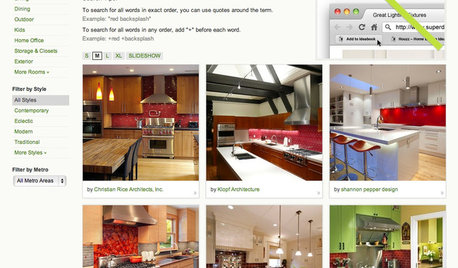
INSIDE HOUZZ9 Power-User Tricks to Get More From Houzz
Search faster and better, tap into design guides, manage your ideabooks and see photos on your flat-screen TV
Full Story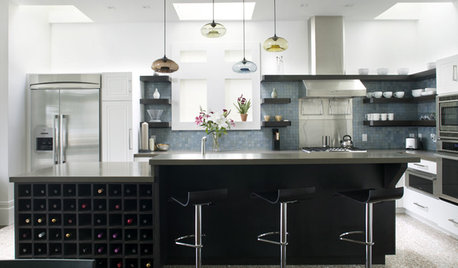
DECLUTTERINGWhen Simplifying, Which Papers to Keep and Which to Toss?
Find out which records you can get rid of when you are decluttering or moving to a smaller home
Full Story
You Said It: ‘The More Dents, the Better’ and More Houzz Quotables
Design advice, inspiration and observations that struck a chord this week
Full Story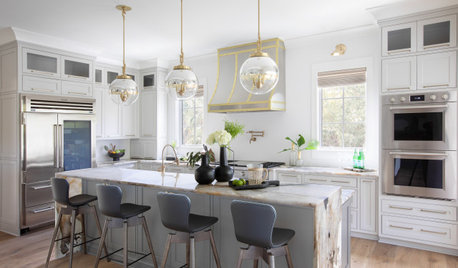
KITCHEN DESIGNDesigner Tips for Range Hoods, Appliances and Lighting
Learn how to get your microwave height just right, what kind of bar stool will be most comfortable and more
Full Story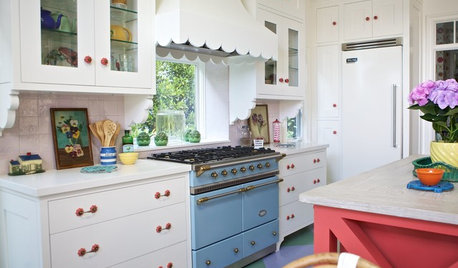
KITCHEN APPLIANCESThe Many Ways to Get Creative With Kitchen Hoods
Distinctive hood designs — in reclaimed barn wood, zinc, copper and more — are transforming the look of kitchens
Full Story
GREEN BUILDINGOff the Grid: Ready to Pull the Plug on City Power?
What to consider if you want to stop relying on public utilities — or just have a more energy-efficient home
Full Story
KITCHEN MAKEOVERSKitchen of the Week: Storage for a Stand Mixer Powers a Redo
A redesign makes a cookie-cutter condo kitchen in Michigan more efficient and better for baking
Full Story
GREAT HOME PROJECTSPower to the People: Outlets Right Where You Want Them
No more crawling and craning. With outlets in furniture, drawers and cabinets, access to power has never been easier
Full Story
kaseki
Related Professionals
Crestview Kitchen & Bathroom Designers · Binghamton Kitchen & Bathroom Designers · Great Falls Kitchen & Bathroom Designers · Indianapolis Bathroom Remodelers · Lubbock Bathroom Remodelers · Atlanta Kitchen Remodelers · Tupelo Kitchen & Bathroom Designers · Flint Kitchen & Bathroom Designers · Chico Kitchen & Bathroom Designers · Little Rock Kitchen Remodelers · Rome Kitchen Remodelers · Wenatchee Kitchen Remodelers · Rock Hill Custom Countertops · Wausau Custom Countertops · York Custom Countertops