

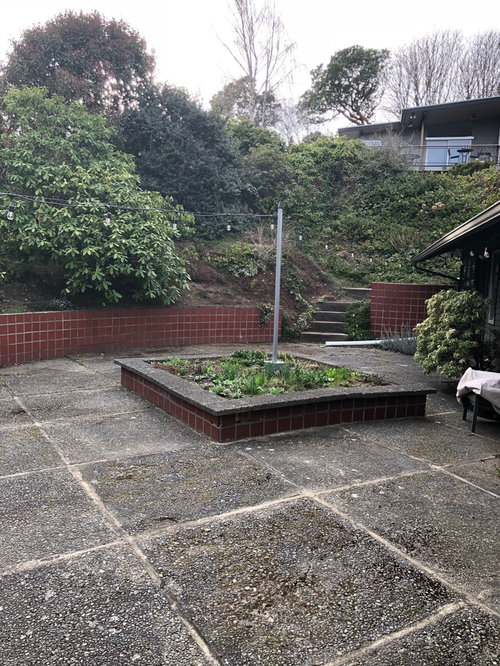
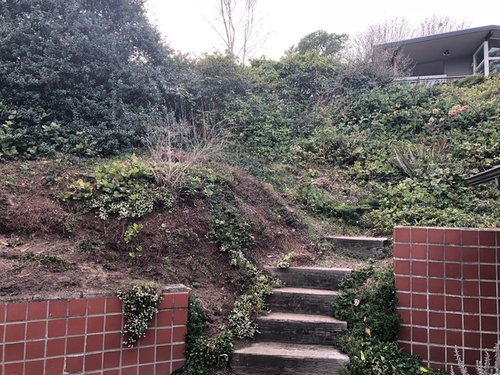
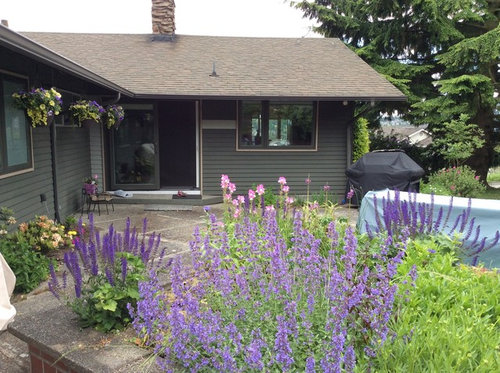
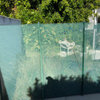
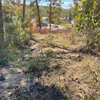
advice on my steep backyard
8 years ago
Featured Answer
Sort by:Oldest
Comments (8)
 8 years agolast modified: 8 years ago
 8 years ago
Related Professionals
California Architects & Building Designers · Abilene Architects & Building Designers · Superior Architects & Building Designers · Myrtle Beach Home Builders · Williamsburg Home Builders · Pueblo Home Builders · Jackson Home Builders · Dallas Design-Build Firms · Plainfield Design-Build Firms · Amherst Design-Build Firms · Glenwood Springs Design-Build Firms · Lynchburg Landscape Architects & Landscape Designers · Jamestown Landscape Architects & Landscape Designers · Atlanta Landscape Contractors · Redding Landscape Contractors- 8 years ago
- 8 years ago
- 8 years agolast modified: 8 years ago
- 8 years ago
- 8 years ago

Related Stories

LANDSCAPE DESIGNHow to Create a Stylish Dog-Friendly Backyard in the City
Follow this expert advice to make the most of your petite plot for you and your four-legged friend
Full Story
BEFORE AND AFTERS6 Dramatic Garden Makeovers, From Backyard to Rooftop
It's almost hard to believe how far these landscapes have come. Have a look and get ideas for your own garden transformation
Full Story
LANDSCAPE DESIGNSee How 3 Landscape Designs Elegantly Tackle Backyard Slopes
These designers’ creative solutions may have you wishing for more topography in your yard
Full Story
LANDSCAPE DESIGN11 Design Solutions for Sloping Backyards
Hit the garden slopes running with these bright ideas for terraces, zones, paths and more
Full Story
MOST POPULAR8 Backyard Ideas to Delight Your Dog
Cue the joyous soundtrack. These pet-friendly landscape and garden ideas will keep your pooch safe, happy and well exercised outdoors
Full Story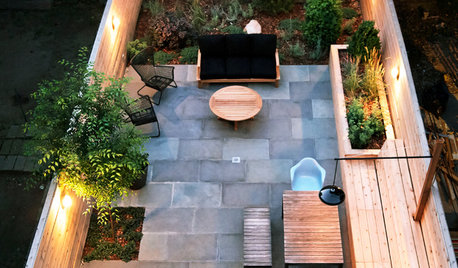
MOST POPULAR16 Ways to Get More From Your Small Backyard
Make a tight or awkward yard a real destination with these design tricks from the pros
Full Story
GARDENING GUIDESBackyard Birds: Invite Entertaining Hummingbirds Into Your Garden
Hummingbirds — unique to the Americas — zip through open landscapes seasonally or year-round. Here’s how to attract them
Full Story
COLORSteep Your Rental in Color — Without Painting the Walls
Let your favorite hues loose without skirting your lease, with these room-by-room ideas for apartments and other rented homes
Full Story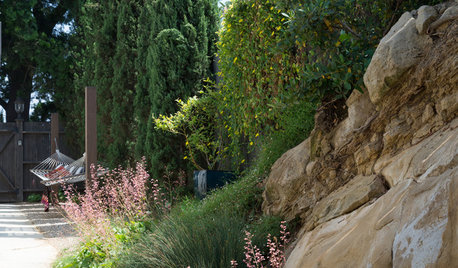
BACKYARD IDEASA Challenging Rocky Slope Becomes a Standout Backyard Feature
Native plants, dramatic lighting and relaxed seating round out this outdoor retreat in Los Angeles
Full Story

gardengal48 (PNW Z8/9)