

Best Glue To Use On China
8 years ago
Featured Answer
Sort by:Oldest
Comments (9)
Related Professionals
Palm Bay Furniture & Accessories · Lake Charles Furniture & Accessories · Poplar Bluff Furniture & Accessories · Plymouth Furniture & Accessories · Niles Furniture & Accessories · Beatrice Furniture & Accessories · San Bernardino Furniture & Accessories · Starkville Interior Designers & Decorators · Las Cruces Interior Designers & Decorators · San Angelo Interior Designers & Decorators · Kalispell Interior Designers & Decorators · Portland Interior Designers & Decorators · Keene Carpenters · Cleveland Carpenters · Oshkosh Carpenters 8 years ago
 8 years ago


Related Stories
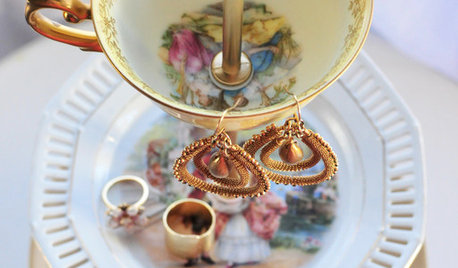
DIY PROJECTSCreate a Pretty Jewelry Stand From Vintage China
Give treasured dishes new life as a beautiful jewelry stand with this DIY project
Full Story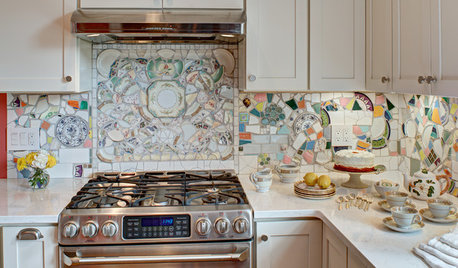
MOST POPULARKitchen of the Week: Broken China Makes a Splash in This Kitchen
When life handed this homeowner a smashed plate, her designer delivered a one-of-a-kind wall covering to fit the cheerful new room
Full Story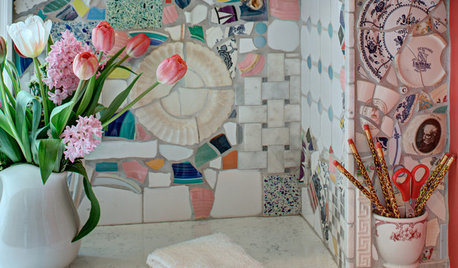
DECORATING GUIDES8 Inventive Ideas for Your Unused China
Is your dishware collection gathering dust at the back of your cupboard? Pull it out and let it shine with these eye-catching display ideas
Full Story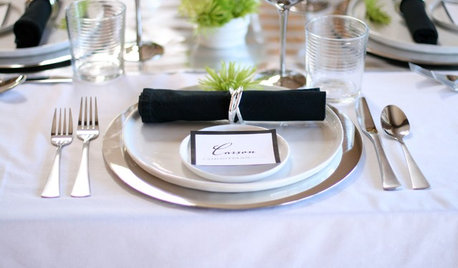
ENTERTAININGA Place for Everything: Beautiful Ways to Style Your Table
Polish your silver and pull out your china as we look at how tables were laid out traditionally and how they shine now
Full Story
ACCESSORIESMake Things Magical With Paper Lanterns
Set some poetry in motion with affordable Asian-style paper lanterns that enchant as everyday or party decor
Full Story
HEALTHY HOMEDetox Your Kitchen for the Healthiest Cooking
Maybe you buy organic or even grow your own. But if your kitchen is toxic, you're only halfway to healthy
Full Story
HOLIDAYSThe Tale of the Holiday Table: One Family's Joyous Discovery
TV-dinner trays one year, garage dining another. Find out what made mishmash holiday dinners for this couple special anyway
Full Story
DINING ROOMSRoom of the Day: No Gloom in This Moody Dining Room
A creative family boosts the fun factor with DIY touches, a quirky pendant and a crafty table
Full Story
MOST POPULARThe Easiest, Most Versatile Cake Stand You'll Ever Make
Show off sweet somethings and your own impressive handiwork — just don't let on how little effort it took
Full Story
DECLUTTERINGEscape the Inheritance Trap: What to Do With Sentimental Pieces
Too meaningful to toss but too hideous, precious or unusual to display? These ideas can help
Full Story
Sponsored
More Discussions
carolb_w_fl_coastal_9/10