

Stabilizing boggy lawn
8 years ago
Sort by:Oldest
Comments (5)

Related Stories
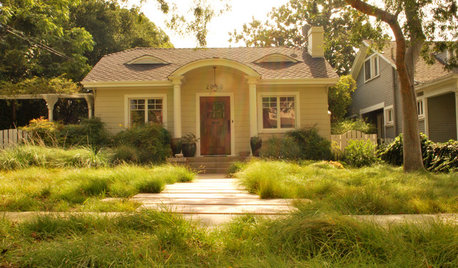
MOST POPULARMeet a Lawn Alternative That Works Wonders
Carex can replace turfgrass in any spot, is low maintenance and adjusts easily. Add its good looks and you’ve got a ground cover winner
Full Story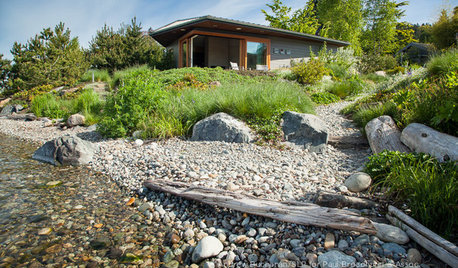
INSPIRING GARDENSLawn Gives Way to a More Natural Lakeside Garden
Meadow grasses, beach pebbles and driftwood replace turfgrass in a nature-friendly landscape on Lake Washington’s shore
Full Story
FRONT YARD IDEASBefore and After: Front Lawn to Prairie Garden
How they did it: Homeowners create a plan, stick to it and keep the neighbors (and wildlife) in mind
Full Story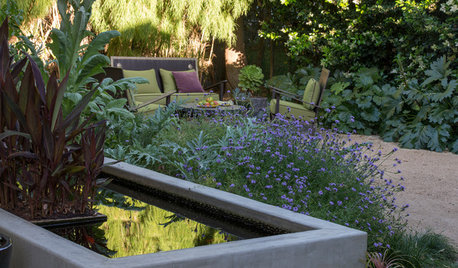
SAVING WATERHouzz Call: Are You Letting Go of Your Lawn?
Many facing a drought are swapping turf for less thirsty plantings. If you’re one of them, we’d like to hear about it
Full Story
EARTH DAYThe Case for Losing the Traditional Lawn
Work less, help the environment and foster connections by just saying no to typical turf
Full Story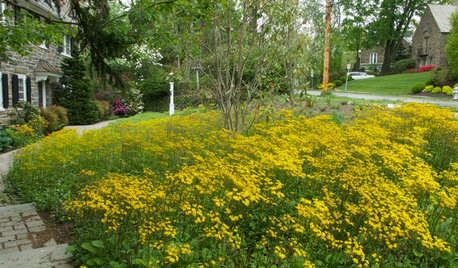
GARDENING GUIDESPackera Aurea Puts On a Springtime Show in Sun or Shade
This vigorous native ground cover welcomes bees with its early-blooming flowers and makes an attractive lawn alternative
Full Story
SAVING WATERXeriscape Gardens: How to Get a Beautiful Landscape With Less Water
Conserve water and make gardening much easier with the xeriscape approach’s 7 principles
Full Story
EARTH DAY6 Projects to Create Beautiful, Water-Saving Outdoor Spaces
Find out how to replace your lawn with a garden, make your landscape more permeable, install a greywater system and more
Full Story
GARDENING GUIDESGreat Design Plant: Carex Sprengelii
Fit for nearly any site, Sprengel’s sedge makes for a low-care, healthy garden
Full Story
GARDENING AND LANDSCAPINGDIY Pathway Puts Landscapes on the Right Track
Create a road more traveled in your backyard, and save your lawn from foot traffic, with this easy, affordable gravel path
Full Story
dchall_san_antonio
peter_outOriginal Author
Related Professionals
Quincy Landscape Architects & Landscape Designers · Cherry Hill Landscape Architects & Landscape Designers · Middletown Landscape Architects & Landscape Designers · Carson City Landscape Architects & Landscape Designers · Wenatchee Landscape Architects & Landscape Designers · Fort Smith Landscape Contractors · Cape Coral Landscape Contractors · Lawrence Landscape Contractors · Scranton Landscape Contractors · San Francisco Landscape Contractors · Baton Rouge Home Builders · Hagerstown Home Builders · Woodward Home Builders · Lubbock Home Builders · Portland Home Buildersgardengal48 (PNW Z8/9)
peter_outOriginal Author
dchall_san_antonio