

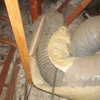
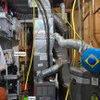
uneven heat in my split level
8 years ago
last modified: 8 years ago

Sort by:Oldest
Comments (5)
Related Stories
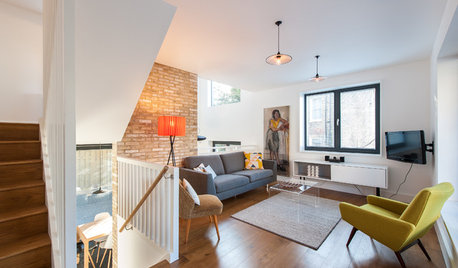
CONTEMPORARY HOMESHouzz Tour: Split-Level Home Uses Every Square Foot
A staircase connects levels that share views and light. The result is separate rooms with an open-plan feeling
Full Story
GREAT HOME PROJECTSHow to Add a Radiant Heat System
Enjoy comfy, consistent temperatures and maybe even energy savings with hydronic heating and cooling
Full Story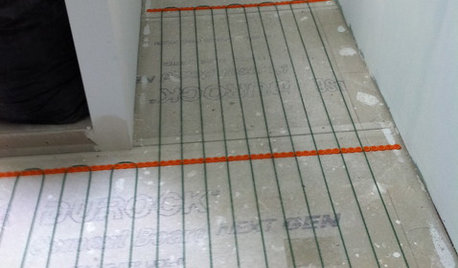
BATHROOM DESIGNWarm Up Your Bathroom With Heated Floors
If your bathroom floor is leaving you cold, try warming up to an electric heating system
Full Story
FLOORSIs Radiant Heating or Cooling Right for You?
Questions to ask before you go for one of these temperature systems in your floors or walls (yes, walls)
Full Story
FLOORSFloors Warm Up to Radiant Heat
Toasty toes and money saved are just two benefits of radiant heat under your concrete, wood or tile floors
Full StoryGREEN BUILDINGInsulation Basics: Heat, R-Value and the Building Envelope
Learn how heat moves through a home and the materials that can stop it, to make sure your insulation is as effective as you think
Full Story
KITCHEN DESIGNThe Kitchen Storage Space That Hides at Floor Level
Cabinet toe kicks can cleverly house a bank of wide drawers — or be dressed up to add a flourish to your kitchen design
Full Story
ARCHITECTURERoots of Style: Midcentury Styles Respond to Modern Life
See how postwar lifestyles spawned a range of styles, including minimalist traditional, ranch, split level and modern shed. What's next?
Full Story
ARCHITECTUREHouzz Tour: A Contemporary Family Home Opens to Views and Light
With spaces for hanging together and going solo, this energy-efficient house works on multiple levels
Full Story
GARDENING AND LANDSCAPING9 Cooling Rooftop Gardens
Living roofs meld home and landscape, help beat the heat and more
Full Story
Michael
mike_home
Related Professionals
Annapolis General Contractors · Ottumwa General Contractors · Lubbock General Contractors · Rapid City General Contractors · Bowling Green Home Remodeling · Austin Home Remodeling · Wichita Falls Home Remodeling · Grand Island Home Remodeling · San Diego Home Remodeling · Roswell Home Remodeling · Bismarck Home Remodeling · Middlesboro Bathroom Remodelers · Austin Bathroom Remodelers · Muncie Bathroom Remodelers · Poughkeepsie Bathroom RemodelersAustin Air Companie
fsq4cw
udarrell