

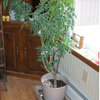
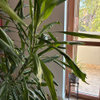
ID this tropical plus how to root it?
8 years ago
last modified: 8 years ago


Featured Answer
Sort by:Oldest
Comments (10)
 8 years agolinnea56 (zone 5b Chicago) thanked Tiffany, purpleinopp Z8b Opp, AL
Related Professionals
West Palm Beach Landscape Architects & Landscape Designers · Webster Landscape Architects & Landscape Designers · Montréal Landscape Architects & Landscape Designers · Vidalia Landscape Contractors · Carbondale Landscape Contractors · West Plains Landscape Contractors · Binghamton Landscape Contractors · Pullman Landscape Contractors · Sarnia Landscape Contractors · Lafayette Interior Designers & Decorators · Greensboro Interior Designers & Decorators · North Adams Interior Designers & Decorators · Jamestown Interior Designers & Decorators · Platteville Interior Designers & Decorators · York Interior Designers & Decorators- 8 years agolast modified: 8 years ago
 8 years agolinnea56 (zone 5b Chicago) thanked tapla (mid-Michigan, USDA z5b-6a)
- 8 years agolast modified: 8 years ago
- 8 years agolinnea56 (zone 5b Chicago) thanked tapla (mid-Michigan, USDA z5b-6a)
- 8 years ago
- 8 years agolinnea56 (zone 5b Chicago) thanked tapla (mid-Michigan, USDA z5b-6a)


Related Stories
LANDSCAPE DESIGNRecipe for Tropical Edible Garden Style
Appeal to exotic good taste with fruit trees, palms and tropical look-alikes in your temperate-climate garden
Full Story
HOUSEPLANTSOne Pot, One Big Shot of the Tropics
Give your rooms exotic flair in a single stroke. Tall Kentia palm fits the tropical bill beautifully
Full Story
ARTThe Beauty of Bonsai — Living Art, Rooted in Harmony
Create your own emblem of nature's balance with an art form dating back 1,000 years
Full Story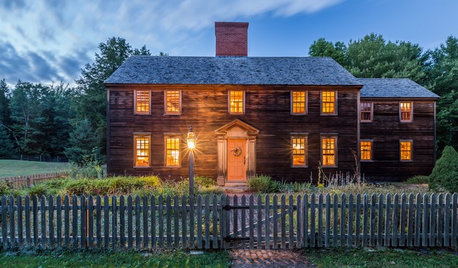
HOUZZ TOURSHouzz Tour: Colonial-Era Home Puts Down New Roots on a Farm
A 1740 historic home is bought disassembled and then reconstructed on-site in another state
Full Story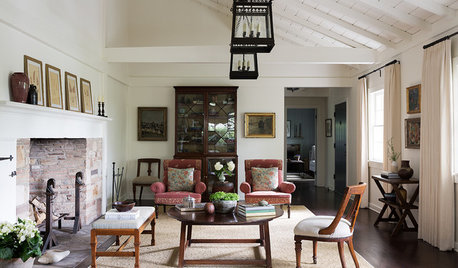
HOUZZ TOURSHouzz Tour: Redo Stays True to a California Home’s Ranch Roots
Vaulted ceilings, windows galore and a simple white palette make for casual indoor-outdoor living
Full Story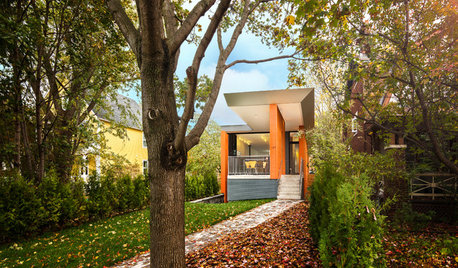
MODERN HOMESHouzz Tour: A Modern Home Rooted in Its Place
It's partially buried in the earth, but with a cantilevered roof and strong colors, this Ottawa home is anything but shy
Full Story
HOUZZ TOURSMy Houzz: Highlighting Farmhouse Roots in a Seattle Suburb
New and old mix with DIY touches in a remodeled 1928 home for a family of 6
Full Story
ARCHITECTURERoots of Style: Do You Live in a Minimalist Traditional House?
Cottages, bungalows, farmhouses ... whatever you call them, houses in this style share several characteristics. See how many your house has
Full Story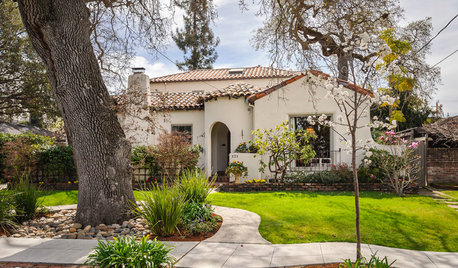
ARCHITECTURERoots of Style: Spanish Eclectic Homes Find a Place in the Sun
Flexible stucco, intricate tiles and more have kept this multicultural style going strong for a century
Full Story
COASTAL STYLEMy Houzz: Pretty Tropical Touches in South Carolina
Beachy art, rattan seating and gold finishes give the rooms a sunny vibe
Full Story

tapla (mid-Michigan, USDA z5b-6a)