

Carbon in dirt
8 years ago
Featured Answer
Sort by:Oldest
Comments (8)
 8 years ago
- 8 years ago
Related Professionals
Greenfield Landscape Architects & Landscape Designers · Manchester Landscape Architects & Landscape Designers · Logan Landscape Architects & Landscape Designers · Cornwall Landscape Architects & Landscape Designers · Cambridge Landscape Contractors · Greenville Landscape Contractors · Bridgeport Landscape Contractors · Odessa Landscape Contractors · Hilo Landscape Contractors · Amherstburg Landscape Contractors · Hilton Head Island Stone, Pavers & Concrete · Dallas Stone, Pavers & Concrete · Fort Dodge Stone, Pavers & Concrete · Lima Stone, Pavers & Concrete · Medford Stone, Pavers & Concrete- 8 years ago
- 8 years ago
- 8 years ago
- 8 years agolast modified: 8 years ago
- 8 years ago
Related Stories
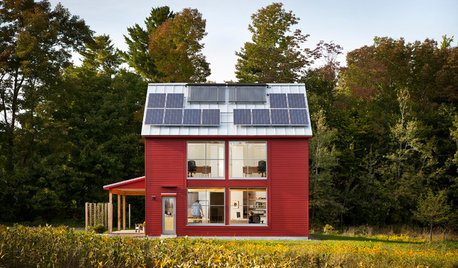
GREEN BUILDINGGoing Solar at Home: Solar Panel Basics
Save money on electricity and reduce your carbon footprint by installing photovoltaic panels. This guide will help you get started
Full Story
HOUSEKEEPINGHow to Clean Your Washing Machine
Cleaning your washer once a month will ensure that it stays spick-and-span along with your clothes
Full Story
FIREPLACESUpdated Woodstoves Keep Home Fires Burning
Better technology means more efficiency than ever for modern woodstoves
Full Story
MOST POPULARThe Perfect Houseplant for People Who Kill Houseplants
If you can fill a jar with water, you can keep golden pothos vine happy — and it will pay you back with cleaner air and a greener home
Full Story
HOUSEKEEPINGHow to Clean Marble Countertops and Tile
Acidic solutions can damage your marble surfaces. Here’s how to keep marble looking clean and amazing
Full Story
FARM YOUR YARD6 Things to Know Before You Start Growing Your Own Food
It takes time and practice, but growing edibles in the suburbs or city is possible with smart prep and patience
Full Story
FARM YOUR YARDFarm-to-Table: Growing Your Food Indoors
A self-admitted plant killer-turned-urban homesteader shares her secrets on successfully growing edible plants indoors
Full Story
GARDENING GUIDES3 Easy Ways You Can Garden for Nature
Your choice of plants can help wildlife while cleaning the air and water
Full Story
GREEN BUILDINGSalvaged Materials Triumph as All-Stars of Sustainability
When you save manufacturing energy and have a beautifully crafted home to boot, it's a win-win situation
Full Story
rgreen48