Software
Houzz Logo Print
cindy_ileana

Hydrangeas need help!!

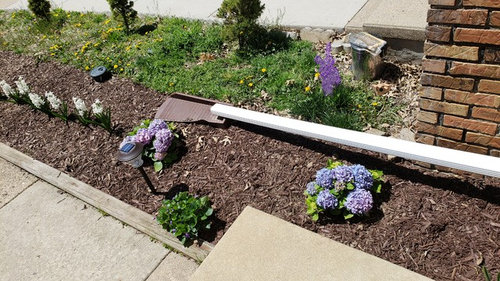
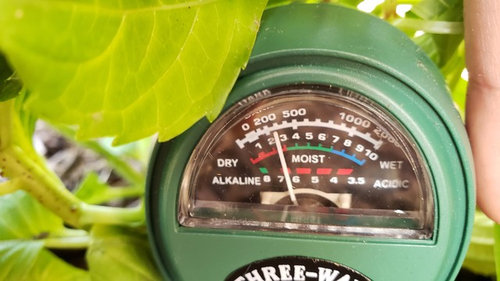
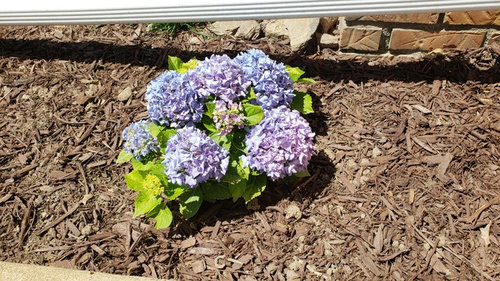
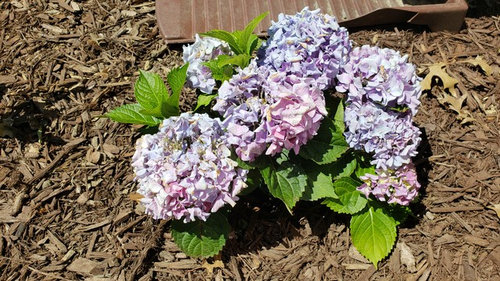
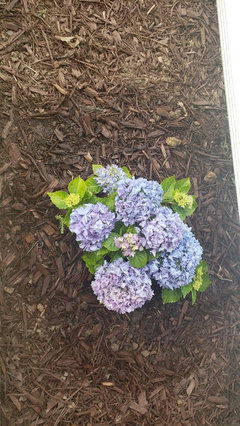
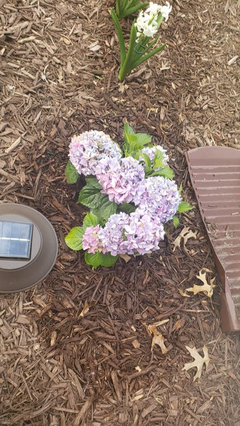
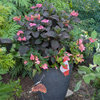
Hello all, Any thoughts would be helpful. Just closed and moved in about a month ago. Zone 7a PA. I tested the soul and PH is 7 very alkaline and a type of clay soil. Had 1 wither and die in a matter of 1 week already. I just planted these 2 last week and already they are withering. I can't figure out what's wrong?? The hyacinths are doing just fine in the same soil. Any thoughts? Anything I can do or should I just give up on growing the hydrangeas out front ? I've watered them just too keep moist not overdoing it. Thanks for your help

Comments (12)

  • 8 years ago
    Oh the sun hits in the morning till around 12 and then shade rest of day
  • 8 years ago
    last modified: 8 years ago

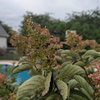
    Hello, Cindy. They appear to be in good conditions, except they are young shrubs coddled by the wholesalers and not used to be outside in the garden. The transplant shock of going from those conditions to partly sun makes the blooms and leaves wilt. Their root system normally would compensate by absorbing more water but the roots got cut to fit into the plant pots so they need a little help transitioning to a sunny climate. I normally aid them by putting an outside chair or umbrella to give them extra shade for a month or so. I would also re-evaluate the amt of water per each watering. Make sure you get deep watering of about 8" deep. Insert a finger into the soil daily in the mornings to see if the soil feels dry, moist or wet. Then water if it feels dry or almost dry. If the corner location is windy, the soil may be getting dry easily and you may need to add more water per watering. I typically water my new shrubs about 1 gallon per watering in clay but tweak that to get moisture down to 4-8" deep.

    These wilting episodes will be an issue in the first year as we get closer to the summer and less so in the future. As soon as transplant shock is over and the plant has established with a bigger root system, it will improve much faster. Typically, if the soil is moist, the leaves and bloom fix themselves overnight. The catch is to keep the soil as evenly moist as possible so that, when wilting happens, the plant may look bad but will self correct when the sun goes down or if you add additional shade.

    There is a chance that the shrub you considered dead might have been having a wilting episode that made it look awful. What I tend to do with these wilting episodes is to immediately give it 1/2 to 1 gallon of water if the episode looks plain bad; otherwise, I insert a finger to a depth of 4" and water only if it feels dry or almost dry. Year-around mulch (2-4") will help keep the soil moist. Water from the base (where the rootball is) outwards. Hint: if they are not planted in a flat location, make sure the drip or sprinkler provides water from the higher ground downwards. I lost once a shrub because my drip line was watering below the plant. Oops. ;o)

    The soil you have is neutral if it has a soil pH of 7. They can tolerate way much more alkalinity though. If the leaves turn yellow but the leaf veins remain dark green then you need to amend the soil. I usually add whatever I have available: garden sulfur, aluminum sulfate, greensand or iron-chelated liquid compounds (sold at plant nurseries). Some of the leaves in one shrub look yellowish to light green but with some varieties normally doing that in Spring, I am not sure what's up with that as the leaf veins are not noticeable in the pics.

    If the leaves are too sensitive to the sun on year 1, you may notice the leaves in direct contact with the sun turning yellowish or whiteish (including the leaf veins). The other leaves remain dark green or darker green. That symptom suggests you would need to give them more shade because the leaves were being coddled so much in the greenhouse that they cannot take the sun until you get newer leaves or you give more shade. Hint: make sure that the location gets shade also in the evening hours.

  • 8 years ago

    The leaves look pretty good to me, with just the blooms fading, which isn't unexpected when a plant in full bloom gets transplanted or planted. I would place a lawn chair, umbrella, or something similar to provide shade over them to mitigate the sun's strength. If they still don't recover from transplant shock, you may want to wait to see if they releaf out if kept cared for or you might want to add organic matter such as manure or compost to the entire bed to improve tilth and drainage. One issue that occasionally crops up is when the potting soil is too different from the surrounding soil is that water may not move from one to the other. So test moisture both inside the rootball to check the potting soil as well as outside the rootball to check the surrounding soil that the roots will be growing into over time.

  • 8 years ago
    last modified: 8 years ago

    Any hydrangeas that are in bloom now have been grown in a greenhouse under rather specific conditions that make them difficult to plant outside in the ground immediately without some sort of transplant shock........could be minor; could be severe. Ideally, these should have gone through a gradual transition period before being planted directly in the ground. And spring weather has been so up and down, it was very likely too cold for the earlier ones that didn't make it :-)) These florist's or greenhouse hydrangeas are really intended as disposable indoor flowering gift plants rather than landscape specimens and are just unsuited to outdoor conditions without a lot of coddling and TLC.

    I agree with a need to protect from sun - even morning sun - for awhile. And make sure they receive adequate water but don't overdo.

  • 8 years ago
    Thank you for all the advice. I am considering taking them both out and potting them outdoors. Good idea?
  • 8 years ago

    I doubt I'd go that far!! They are already experiencing some transplant shock so not a great idea to add more by digging up and potting. Just watch them carefully, protect from sun and any extreme temps and water as necessary. They will come out of it eventually and settle in. Fortunately, you are in a zone where transitioning these forced plants is relatively easy :-)) Much harder to do so in colder climates!

  • 8 years ago
    last modified: 8 years ago

    It depends. I have an awful memory and it takes me a while to get used to remembering to water newly potted plants so try to make sure you will not forget about them. One thing I do that works sometimes is to place the new pot near other pots that I already programmed my brain to water (as opposed to placing the pot in a new location where I do not go to water stuff). Then you have to replant them outside again at some point so ... not sure if potting is the way to go unless you mean to keep them potted forever.

    In your case, I would leave them in the ground, especially if these are large (tall, width) shrubs for the pots. Just give them evenly moist soil and some temporary sun protection... say thru the end of the summer.

  • 8 years ago
    okay I will keep them in the ground I find it frustrating that they aren't made to be planted in the ground and to receive Sun, however Lowe's sells them as such. Maybe I should have bought them from a nursery? looking slightly better this morning actually... We will see.
  • 8 years ago

    Lowe's is not a nursery.....it is just a home improvement/hardware store that sells some plants :-)) They are often incorrectly labeled and often not at all suitable for the area in which they are being sold. And they receive minimal care after receipt. If you were to go to a good quality retail plant nursery, they would very likely have hydrangeas offered - not in bloom....April is much too early - that could be planted out immediately with little chance of any transplant shock. And hopefully with accurate instructions about how to site for your climate and intensity of your summer sun.

  • 8 years ago
    last modified: 8 years ago

    Lowe's likes to order Merrit Supreme Hydrangeas for early delivery here every year. I see them arrive in March-ish. Other times, I also see mophead hydrangeas for sale but with generic labels (no variety named). Lowe's is where I ended with a -joking- a lacecap version of Nikko Blue Hydrangea (it was mislabeled).

    The 'normal' hydrangea shipments in plant nurseries here arrive in April to May (go often in Spring to your nurseries to observe when hydrangeas/etc arrive in your area).

    This year, I observed normal shipments arriving at my plant nurseries since mid April. They ordered a whole slew of Big Daddy Hydrangeas, Nantucket Blues and Bloomstrucks. I was hoping to see some new PW introductions but not yet. Annabelle-like hydrangeas and paniculata hydrangeas will arrive by the end of May or so. Enjoy checking out the plants; just look... you do not have to buy anything unless something catches your interest or your nose (lilacs anyone?). Sniff, sniff... aaaaaah! They (lilacs) sure smell good.

  • 8 years ago

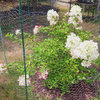
    I setup some netting to provide more shade and they are recovering and growing! Yay!!!