

Cedar Mulch VS Leaf Mulch (nutrient value?)
8 years ago
Featured Answer
Sort by:Oldest
Comments (10)
 8 years ago
- 8 years agolast modified: 8 years ago
Related Professionals
Montgomery Landscape Architects & Landscape Designers · Davenport Landscape Architects & Landscape Designers · South Bend Landscape Architects & Landscape Designers · Oneonta Landscape Architects & Landscape Designers · Utica Landscape Architects & Landscape Designers · London Landscape Architects & Landscape Designers · Dothan Landscape Contractors · Pittsburg Landscape Contractors · Monroe Landscape Contractors · South Sioux City Landscape Contractors · El Paso Landscape Contractors · Cincinnati Stone, Pavers & Concrete · Chillicothe Stone, Pavers & Concrete · Edison Stone, Pavers & Concrete · Durango Stone, Pavers & Concrete- 8 years ago
- 8 years ago
- 8 years ago
 8 years ago
- 8 years ago
- 8 years ago
- 8 years agolast modified: 8 years ago
Related Stories

GARDENING GUIDESNew Ways to Think About All That Mulch in the Garden
Before you go making a mountain out of a mulch hill, learn the facts about what your plants and soil really want
Full Story
GARDENING GUIDESLowly Mulch Makes Magic in the Garden
Find out why you should be mulching your garden beds and what material is right for your site
Full Story
GARDENING GUIDESHow to Pick a Mulch — and Why Your Soil Wants It
There's more to topdressing than shredded wood. Learn about mulch types, costs and design considerations here
Full Story
GARDENING GUIDESThe Art of Green Mulch
You can design a natural garden that doesn’t rely on covering your soil with wood and bark mulch
Full Story
GARDENING GUIDESGarden Myths to Debunk as You Dig This Fall and Rest Over Winter
Termites hate wood mulch, don’t amend soil for trees, avoid gravel in planters — and more nuggets of garden wisdom
Full Story
LANDSCAPE DESIGN10 Ways to Put Gravel to Work in Your Garden
Use gravel for pathways and patios, as a mulch for garden beds, to reduce rainwater runoff and more
Full Story
GARDENING GUIDESSoutheast Gardener's May Checklist
Bask in the blooms and mind your mulch this month; summer means lots to savor and lots to do in the garden
Full Story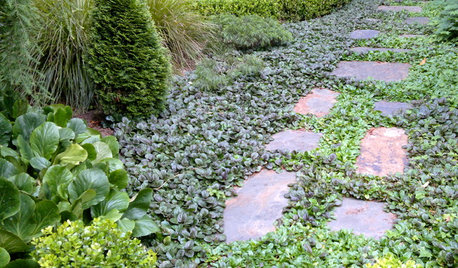
GROUND COVERSGround Force: 10 Top Ground Covers for Your Garden
Protect your soil from weeds and drought this summer with a living mulch of ground covers
Full Story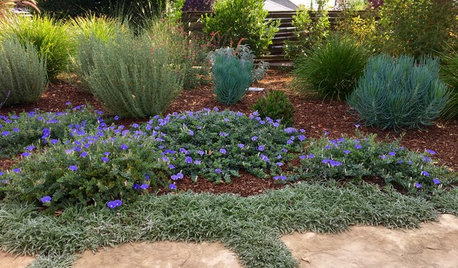
GARDENING GUIDESWhat to Do This Fall to Build Healthy Garden Soil
Take advantage of the cool season to improve soil texture and replenish nutrients
Full Story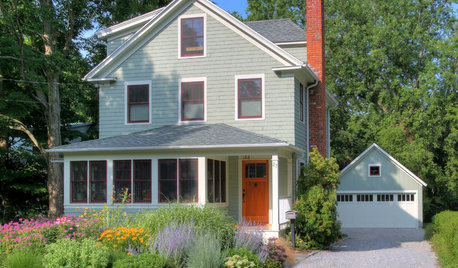
GREAT HOME PROJECTSUpgrade Your Front Yard for Curb Appeal and More
New project for a new year: Revamp lackluster landscaping for resale value, water savings and everyday enjoyment
Full Story
gardengal48 (PNW Z8/9)