

Grouting, time to cure, and tiling issues
8 years ago
last modified: 8 years ago
Sort by:Oldest
Comments (8)
Related Stories
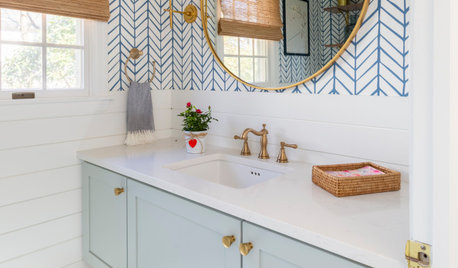
BATHROOM DESIGNWhat Grout Color Should You Choose for Your Tile?
More than an afterthought, the right grout contributes to your tile scheme by creating a cohesive, eye-catching unit
Full Story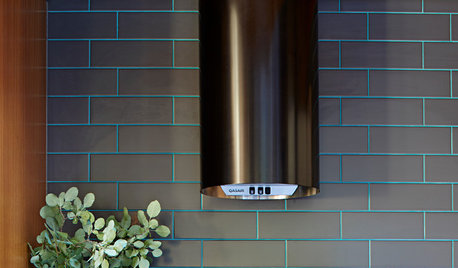
MOST POPULARIs Colorful Grout the Next Big Trend in Tile Design?
See how grout in 7 eye-catching colors is spicing up kitchens and bathrooms abroad
Full Story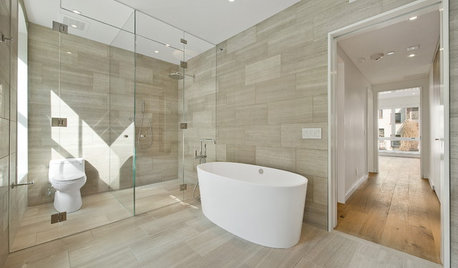
REMODELING GUIDESTransition Time: How to Connect Tile and Hardwood Floors
Plan ahead to prevent unsightly or unsafe transitions between floor surfaces. Here's what you need to know
Full Story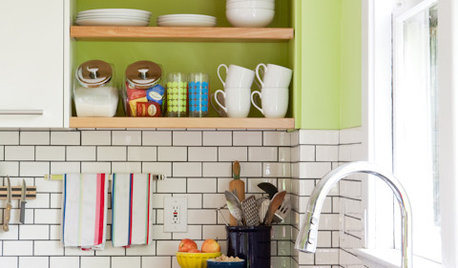
KITCHEN DESIGNSubway Tile Picks Up Gray Grout
Heading into darker territory, subway tile offers a graphic new look for kitchens, bathrooms and more
Full Story
REMODELING GUIDES9 Ways Grout–Yes, Grout–Can Add to Your Design
Choose From a Palette of Grout Colors for a Warm, Unified Look
Full Story
BATHROOM TILEQuick Fix: Repair Cracked Bathroom Grout
Banish an eyesore and safeguard your bathroom from water damage in 30 minutes or less with this DIY repair
Full Story
TILEEpoxy vs. Cement Grout — What's the Difference?
Grout is grout, right? Nope. Cement and epoxy versions have different appearances, durability and rules of installation
Full Story
TILE3 Key Steps for Grouting That Looks Its Best
Get your grout right to keep your tile beautiful and for an installation that will last
Full Story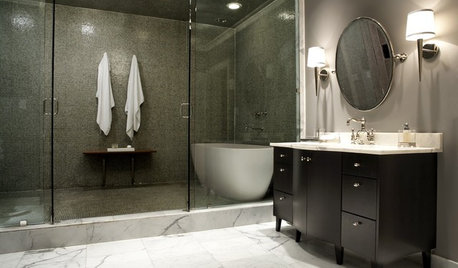
BATHROOM DESIGNHow to Choose Tile for a Steam Shower
In steamy quarters, tile needs to stand up to all that water and vapor in style. Here's how to get it right the first time
Full Story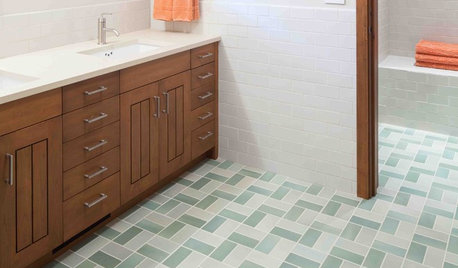
GREAT HOME PROJECTSHow to Install a New Tile Floor
Is it time to replace your tile floor? Here’s how to get it done, which pros to call and what it will cost
Full Story

UserOriginal Author
User
Related Professionals
Meridian Home Remodeling · Ocala General Contractors · Milwaukee Bathroom Remodelers · Norfolk Home Remodeling · Lansing Bathroom Remodelers · Canton Bathroom Remodelers · Wausau Bathroom Remodelers · DeRidder Flooring Contractors · Taunton Flooring Contractors · Bozeman Flooring Contractors · Paducah Tile and Stone Contractors · Bozeman Tile and Stone Contractors · Tuscaloosa Kitchen Remodelers · Rocky Mount Kitchen Remodelers · Portland Kitchen RemodelersUserOriginal Author
User
UserOriginal Author
User
UserOriginal Author
kudzu9