

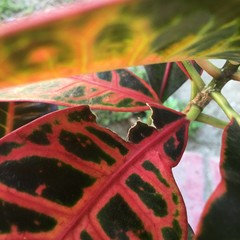
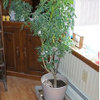
new to plant world. found mites!
8 years ago
Featured Answer
Sort by:Oldest
Comments (13)
 8 years ago
- 8 years ago
Related Professionals
Clarksville Landscape Architects & Landscape Designers · West Palm Beach Landscape Contractors · Utica Landscape Contractors · Elizabethtown Landscape Architects & Landscape Designers · Newark Landscape Architects & Landscape Designers · Akron Landscape Architects & Landscape Designers · Odessa Landscape Architects & Landscape Designers · Athens Landscape Contractors · Worcester Landscape Contractors · Sanford Landscape Contractors · Columbia General Contractors · Tulsa General Contractors · Woodward General Contractors · New London General Contractors · Watertown General Contractors- 8 years ago
- 8 years ago
- 8 years ago
- 8 years agolast modified: 8 years ago
 PRO8 years ago
- 8 years agolast modified: 8 years ago

Related Stories
GARDENING GUIDES7 Shade-Loving Rarities of the Plant World
Cultivate a discriminating air in a shady garden patch with these uncommon woodland wonders
Full Story
EDIBLE GARDENSOpen Up a World of Color and Flavor With These 10 Edible Plants
Jewel-toned corn, tie-dyed tomatoes, purple broccoli? Expand your horizons with heirloom varieties
Full Story
LANDSCAPE DESIGN7 Evergreen Wonders of the Plant World
Year-round interest, structure and beautiful color? These top-notch evergreens have gardens covered
Full Story
GARDENING GUIDESInvite Mining Bees to Your Garden by Planting Their Favorite Plants
Look for mining bees (Andrena) pollinating woodland wildflowers in U.S. gardens this spring
Full Story
MOST POPULARDare to Decorate With ‘The World’s Ugliest Color’
See how this hue can actually look quite handsome inside your home
Full Story
EARTH DAYSee Why Cross-Pollination Is a Plant’s Best Friend
Getting the most from a native plant landscape goes beyond plant selection. You often need compatible partners too
Full Story
HOMES AROUND THE WORLDMy Houzz: Salvaged Materials, Antiques and Plants in Every Room
A London jewelry and ceramics designer artfully blends eclectic elements in her family’s light-filled 2-story addition
Full Story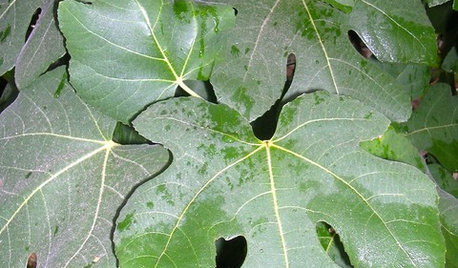
GARDENING GUIDESGreat Design Plant: Common Fig
A full form and delicious fruits make this Middle Eastern tree a favorite in gardens around the world
Full Story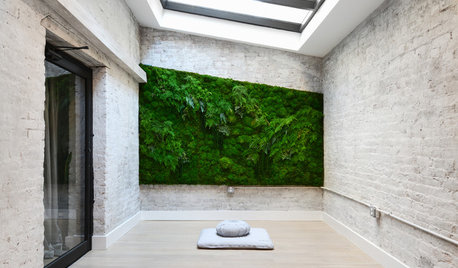
GREEN BUILDINGWorld of Design: The Joy of Moss and Its Modern Uses
This great design plant is 400 million years in the making. See how it’s inspiring art, soothing spaces and building design
Full Story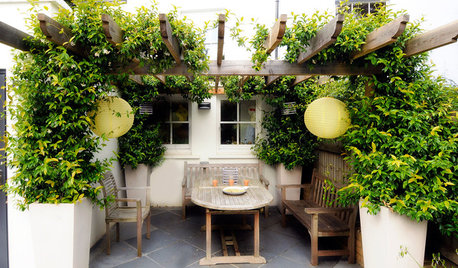
HOMES AROUND THE WORLDA Restful London Retreat With Naturalistic Plantings
This generous garden has been cleverly zoned to create a cohesive space out of a long, narrow plot
Full Story

Tiffany, purpleinopp Z8b Opp, AL