Software
Houzz Logo Print
jennpa6b

Hydrangeas Planted too Close to Foundation: Move or Wait?

8 years ago

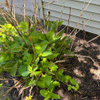
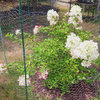
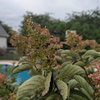
Last year, I got a bit addicted to clearance hydrangeas. I had always loved them, but was afraid of growing them because the prices at local nurseries seemed to range from $30-60 a plant, and I couldn't afford the risk. I finally splurged on a limelight, which grew so well that when I started to see hydrangeas on clearance last summer, I started accumulating quite a collection, and now I have 7 growing along my east wall. The good news is that they are looking great and healthy this year. However, I vastly underestimated the distance they needed to be planted from the foundation, and this year, some are already touching the wall (one is actually growing right up against it).


Blue Enchantress and Little QuickFire are already setting buds. The five Limelights are all leafed out, and growing like crazy. Should I try to move them now (zone 6B, temps in the 80's all week, would need to expand the bed the are in dramatically) or in the autumn when they lose their leaves?


Thanks for any advice!

Comments (12)

  • 8 years ago
    last modified: 8 years ago

    Aren’t hydrangeas wonderful?! I would transplant in the fall since the soil is warm but the days are getting shorter and cooler, so less stressful on the plants. Mulch well after planting to help keep the soil temperature and moisture even. Just so you know, you have two different species amongst your 3 varieties of hydrangeas. Both Limelight and Little Quickfire are panicled hydrangeas. Limelight can grow to 8’ in all directions, so needs to be at least 5’ from the wall so you can get in behind it for maintenance and so the wall isn’t always damp, and Little Quickfire can get to 5’ tall x4’ wide. They aren’t easy to control for size by pruning since they regrow quickly each season, and midsummer pruning will remove flowers. Panicled hydrangeas are much more sun tolerant and may need less water than your other plant, Blue Enchantress, which is a big leaf hydrangea. It can reach 6’ in all directions and has bloom buds that are formed during the previous summer, so if you have an especially cold winter or late spring frosts, it may not bloom well for you some seasons. The panicled hydrangeas form buds in the spring and so bloom well regardless IME. It will want attention to water if you aren’t getting a good amount of rain regularly or if the leaves droop at all. Stick your finger into the soil, which you want evenly moist but not soggy. This one should go in the shadiest spot on the east wall since they don’t like afternoon sun but need some sun to bloom well.

    For now, feel free to whack back the side against the house. You can reshape as needed or hard prune when you move them to get a more balanced shape as needed, though you may lose blooms on the BE unless you wait until after spring bloom to reshape. Both species grow back well from pruning as needed.

    Jenn thanked NHBabs z4b-5a NH
  • 8 years ago

    I've always been told to transplant after a hard freeze in the fall for shrubs to minimize damage to the roots.

    Jenn thanked Jen Loo
  • 8 years ago

    Technically, with proper aftercare, you can transplant any time the soil is workable. However, you run a much greater risk of transplant shock if you do so during the growing season (when the shrub is in leaf and active growth). If you can, wait until fall when the leaves drop and the plants enter dormancy, as this is the preferred time as others have indicated. A hard freeze is not necessary, as long as the plant is dormant.

    Jenn thanked gardengal48 (PNW Z8/9)
  • 8 years ago

    Thank you all for the replies. I will wait to move them until fall, especially since it looks like I need to move some hostas this week anyway!

  • 8 years ago

    I saw the pic of your house without the trees. So much potential!

  • 8 years ago

    Wouldn't the general rule be early spring or just late fall - so that the roots can recover to take on the summer heat/water ?


    Off topic, but how does one encourage the roots to go down - all are on drip and get deep watered. Every year, I plant a round flowering annual around a LL tree and I always end up hacking away at the LL roots. Maybe the mulch just makes the soil more habitat-able and it wants to go lateral...

  • 8 years ago

    That's what roots do - they grow laterally. Out rather than down :-) In fact, even very large trees have the bulk of their root system within the top 12-15" of the soil. That's where the highest concentrations of oxygen, nutrients and soil moisture is located so that's where all the fine feeder roots will be located, most right below the soil surface.

  • 8 years ago

    With that said, GG, what about taproots ? Planning at some point to plant some rose trees - parallel along where I know our septic pipe is.

  • 8 years ago

    Very few plants produce actual taproots :-) And roses are NOT on that short list! Even most trees that are noted for producing taproots do so only in the seedling stage and outgrow them as they mature.

  • 8 years ago

    I once dug out a rose. I stopped digging at 30-36 inches down. Just took the lopper and said let it be compost. It was as it was was reached into the earths core . Last thing I want is a hole in a pipe...The root was huge, Even made it's own will-way. Rock was in its path. Hugged the rock and kept on going down

  • 8 years ago

    Wow. And ouch. How long did it take for your back to recover?