Software
Houzz Logo Print
lilia_ignecia

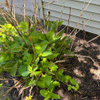
Is my hydrangea dying?

8 years ago
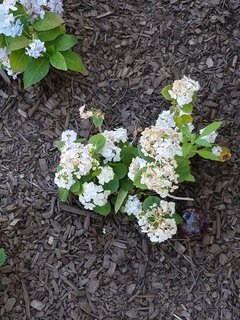
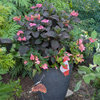
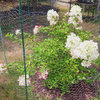
I am brand new to gardening, and a little guidance would be very much appreciate it. I purchased this hydrangea blooming bride from our local hardware store. It was so healthy when I first planted it a few days ago, but now the blooms are starting to turn brown and I wonder if it is dying. The plant gets full sun from 8am to about 2pm, and I water it every other day. We are located in NY, and the weather has been around 80 degrees lately. Am I not watering enough? is it receiving too much sun? I hope I don't have to relocate it as I don't have a better place to locate it. help please!

Comments (16)

  • 8 years ago
    last modified: 8 years ago

    Hydrangeas planted in the summer months tend to go thru transplant shock and heat stress. Some of the symptoms of this include blooms that go directly from white to brown kind of early, leaf wilting, etc. Flower blooms and flower buds are the first things to be aborted by the plants if they need more water. Next are leaves; if the edges brown out and the browning gets larger from the edges inwards, they need more water or less heat/sun.

    Some things that you can do to alleviate somewhat all this...

    Water the soil in the morning (6am ish) from the base or crown outwards. That gets the root ball moist. Maintain the soil uniformly moist with no periods of dry/moist/dry again. Aim for about 1 gallon of water per watering or whatever allows the soil to be moist to a depth of around 8".

    Mopheads perform best in morning sun or dappled sun. Provide shade in the summer starting around 11am or so. No afternoon or evening sun in the summer months. Add additional shade on Year 1's summer using a lawn chair, an umbrella, etc.

    Maintain 2-4" of mulch year around.

    Deadhead blooms early if you wish to remove brown blooms; or leave them for winter interest. Cut the petiole string between the bloom and the stem.

    In future years, the blooms will not go directly from white/blush to brown but, like in the middle left of the picture, will instead turn a set of color changes (pinks, greens) which end in brown.

  • 8 years ago
    Thank you Luis, this is great information!...I will start working on it asap. would you recommend watering it on a daily basis?. Also, you mentioned to provide shade after 11am, would this be temporary until the plant gets stablished or would I need to always have it shaded after 11am?.

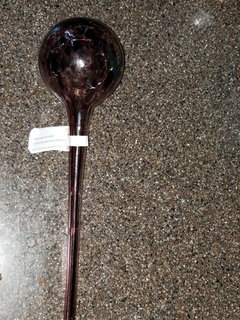
    Someone recommended to use miracle gro plant food, and I just did that. Hopefully that helps as well...I also added a ball watering stake in my hopes of keeping it moist!. I think I am overdoing it, but I just really want to help this plant during this process.
  • 8 years ago
    You are awesome! thank you so much for the much needed advice. I will implement your suggestions starting tomorrow morning!
  • 8 years ago
    last modified: 8 years ago

    It is normal for big leafed hydrangea flowers like yours to age toa different color after blooming for a while, and white flowers like yours are more likely to brown as they age. If they bug you, cut them off.

    The plant looks healthy to me; there are new flowers pushing out, the leaves are green, and nothing but the aging flowers look bad. Follow Luis’s suggestions for care, especially about checking soil moisture a few inches down to see if water is needed. Then water long and slow so the water can soak in well. Here in NH I rarely have to water established hydrangeas like yours as long as they are in afternoon shade, but since yours is new, it will take more attention for the first couple of seasons.

  • 8 years ago
    Thank you NHBabs...for the past two days I have been following Luis direction (minus providing shade after 11am, as I haven't been to the store yet).. I checked the soil with my finger and it has been dry these past two days. I even soaked it in water on day 1, and day 2 was dry so I water it with 1 gall of water, and this morning was dry again. so I am thinking of getting a drip system, maybe that would help keep the soil moist.
  • 8 years ago
    this is an updated photo! :/
  • 8 years ago
    last modified: 8 years ago

    Each soaking should reach down 8" or so (meaning it should be moist or wet down to that level). In my area & with my soil, I normally have to water 1 gallon of water in Spring and 1.5 gallons in the Summer... with random additional hand waterings when temps are much higher than 100F. If you are using a certain amt of water and it is dry the next day, increase the amt of water per watering per plant until you get better results at a depth of 8".

    Make sure that it always has a lot of mulch and that you water from the center of the shrub outwards. Add 50% more water than recommended if you have sandy soil.

  • 8 years ago
    Great! I will increase the amount of water to 1.5 gallon and go from there. thank you so much! :)
  • 8 years ago
    Yes, I added more mulch today... so currently there is about 4" of mulch surrounding the tree.
  • 8 years ago
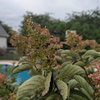
    A little over a week later, and the plant is doing great even during these hot days. Just needed some adjusting. Thank you to everyone who helped out with suggestions.
  • 8 years ago
    last modified: 8 years ago

    Looks good indeed. Say, what is that round glass thing I noticed in the picture??? Looks like a big soap bubble??? ;o)

  • 8 years ago
    it is a large water stake, it's been there for about a week. I have no idea if it is actually helping the plant, but it is doing much better.
  • 8 years ago

    Ah, no complaints here... just wondering....

  • 3 years ago

    What does hydrogen peroxide do for hydrangeas? My white one looks just like her pic at the top and I’m trying to get the watering under control but heard hydrogen peroxide can help? Do you just pour it on?

  • 3 years ago

    " What does hydrogen peroxide do for hydrangeas? "

    Almost nothing :-) It does have some limited disease and insect deterrence but it is usually of most benefit for containerized plants like houseplants, where it can help oxygenation and offset root rots.

    For any plant or shrub planted in the garden, it is of far more value to make sure your soil drains well, the plant gets sufficient water to thrive and is sited with proper lighting conditions.

    The Myth of Hydrogen Peroxide in the Garden