Software
Houzz Logo Print
matt_barnett67

Anyone with some Bonsai chops?

8 years ago

This little guy is my toe in the pool of bonsai, which will probably blossom into a full blown nail biting addiction, but I get ahead of myself.


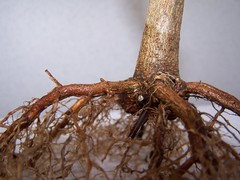
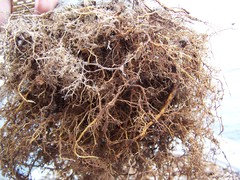
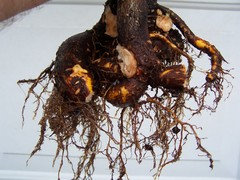
The soil it came in looks mostly peat-based, and was probably good for the grow house it was raised in, but not indoors. When I picked and hosed all the soil off of it, it looks as if it has had its feet wet before. It looks pretty barren in the root department to my eye. So the first question is does this normal for this type of tree?


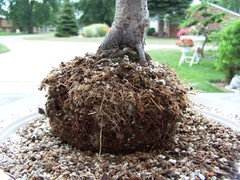
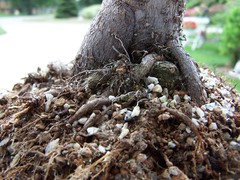
I repotted it into Al's gritty mix without pruning the roots that aren't there, gave it a drink and called it a day. The location of the plant for the previous month I have had it is a bright East-facing window in my office, the temps and humidity what you would expect in an air-conditioned bank. Outside looks like a little over 90 degrees here in Florida, and more than 100% humidity if that is possible.


Are there some pointers about what I should do to help it recuperate through the next couple weeks? Should I shade it or give it less direct light?


I will reply with the pics because for some reason if I put more than a single photo in a new topic, it never posts.

Comments (9)

  • 8 years ago

    Also, from an aesthetic standpoint, does the vaguely phallic external root add character in your collective opinions, or should... uhh.. should... steps be taken...? :)

  • 8 years ago
    last modified: 8 years ago

    In all honesty, if it was mine, I'd get a wider pot, prune the root you banished from the pot to an appropriate length, treat it with something like Dyna-Gro's Rooting Gel, get it outdoors for the summer, and fertilize in the luxury range as soon as it starts to push new growth.

    One challenge I see is the dead spot your thumb is on. If it's my tree, I'm starting some cuttings to later graft to live wood above or alongside that large wound, and anywhere else there is sparse rootage. I'd plan on (eventually) removing most of that nasty rootage up to somewhere near the middle of your thumb in the second image.

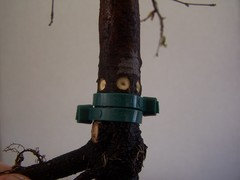
    You can force some rooting closer to the soil surface by wrapping 2-3 zip-ties around any roots you can get the ties around. This is a tree I'm layering off of the old/ugly root system:

    As the trunk thickens, it will swell just above the ties, which will choke off photosynthate and auxin (a growth regulator) movement to the old roots, which will facilitate root initiation at that level. I treated the holes with rooting gel, and I'll get rooting from each of the holes. I used a 3/16" brad-point drill (cuts a much cleaner hole than speed drills) for the holes and just spun it with my fingers.

    This is a maple I layered off it's ugly roots in exactly the same way:

    You can still see the wire I used to girdle the tree. I drilled 7 perfectly spaced holes and I got 7 perfectly spaced roots.

    Focusing on a Ficus benjamina "Too Little" - see the pruning progression - first repot:

    Some fine roots and soil have been removed. ^^^
    This still needs cleaning up with a knob cutter. During the next repot, I took off another 2" of roots from the bottom.

    You wouldn't be layering the entire tree off the old roots; rather, you would be girdling as many roots as you have access to in order to force roots to grow nearer the soil surface. There's more, but no sense in going into it until I know what you're thinking.

    Al

  • 8 years ago

    Wow, Al... I'm thinking this is three levels above my current skill level, but hey, I will give anything you say a shot. This tree is fresh from the growers, so I wasn't the one who banished the root.

    The dead spot is a cosmetic issue that I will need help addressing, because what you just said about starting cuttings and grafting kinda melted my brain a little bit. If I'm getting you right, you want to graft some roots to above the dead spot? How do I go about starting cuttings? Is that a "next season" operation?

    What are steps 1, 2 and 3 that are manageable for a noob, should be done now, before it gets too used to yesterday's repot and the growing season is still in full swing?

  • 8 years ago

    Your tree isn't kind of ficus that usually used as a real bonsai speciment. It's combination of ficus that grew from seed as rootstock - so it have unique root shape, and thick leaves ficus that grafted into it to get more appealing foliage. That way you get tree that look like bonsai much faster than real bonsai, but unfortunately it can't be treated like a real bonsai. The upper part is hard to wire. Less elastic. The botyom part, if you try to grow new roots, it's like removing the plus of this tree, because this kind of ficus looking good because of that unique root. Btw, your tree already handsome enough for it's kind. If you wanna practice bonsai techniques or growing bonsai, try other species of ficus tree. Retusa, microcarpa, or maybe benjamina, which is more appropriate to train as bonsai.

  • 8 years ago

    Bah. Good catch, now that I look more closely at it, I can see where they slit the bark at the top of the stump and inserted the branches. There are even 2 scars where the grafts didn't take and were rejected. Oh well, I guess I'll just concentrate on keeping it healthy and save my efforts for something more workable.

    Meanwhile, out of the most common bonsai, what are the most forgiving trees that will let me get a bit of experience? I know people are probably sick of hearing about jades, but I hear them mentioned as good beginner trees. What else is easy to mold and care for?

  • 8 years ago

    Have you tried any searches on the Internet like

    "Bonsai, trees good for" which should get you started.

    Here on C&S, pls search for 'Wacking Jades' which will also yield plenty of reading, including that Jades aren't such fast growers, so perhaps not what you want.

    Do you already have experience w/ growing plants so far?

  • 8 years ago

    Jade, ficus that u have, sceffera, and some indoor palms are easy to care. If you use them as room decoration, buy the correct size since in indoor environment, most of plants grow slowly. If you grow them as a hobby, any size will be fine.

  • 8 years ago

    Karen, I have quite a bit of hobbyist growing experience, mostly houseplants, although this is the first year that I am getting down to learning the deep science behind it. I'm finally getting to understand pruning to control direction, and I have found jade to be very predictable in it's response. I have become interested in bonsai because I am looking for a hobby that will endure. For my first tree, I am looking for something fairly forgiving of my newness, yet challenging artistically speaking. I have seen these visually striking specimens and now I want to see if i can create something like that.

Sponsored