Software
Houzz Logo Print
webuser_97613756265700

Any help would be appreciated

8 years ago

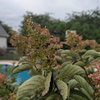
I have two hydrangeas plants and not sure what to do with them. I have never had any to take care of so I'm a rookie. Moved to this house and was told they are snow balls? They are over grown and unhealthy looking so any advice on what to do with them at this point would be appreciated!

Comments (5)

  • 8 years ago
    last modified: 8 years ago

    Snow Balls is a term that refers to either Annabelle-like Hydrangeas (also called smooth hydrangeas) or also to some Vibirnums. Without a pictures, I will assume it is an Annabelle Hydrangea. Here is a link to hydrangea info:

    https://plantaddicts.com/smooth-hydrangeas/

    https://plantaddicts.com/hydrangea-care

    The stems of these hydrangeas sometimes require that people enclose them in a short fence so they do not droop when the big blooms weigh a lot after rains. Some new versions of Anna can handle this (they have names like Incrediball, etc). It blooms on flower buds that develop in the Spring so it can be given prunings any time after they bloom.

    You can give them a hair cut to shrink them down but I would do rejuvenation pruning instead: prune the 1/3 tallest/longest stems all the way down in Year 1; the next tallest/longest stems in Year 2 and the rest in Year 3.

    This type of hydrangea can develop new plants from its base quite easily so some people like to check the area in the Spring to see if these guys need to be cut.

    Continue your watering regime as usual; since you did not mention having watering issues or wilting, I assume everything is ok in that department.

    Watering info for another day... Hydrangeas tend to need more water in the Summer and may wilt during the day if it gets too hot but surprise, if the soil is kept evenly moist, the leaves will recover on their own overnight. I check mine in the mornings as they should not be wilted by then. If I notice any still wilted then I give it about 1 to 1.5 gallons of water (depends on the size/age of the plant and soil type). With waterings, your aim should be to give it enough water to get the soil -in all directions- moist to a depth of around 8". To determine when to water, I insert a finger to a depth of 4" and water if it feels dry or almost dry. A typical watering regime may look like this: start with "x" gallons of water per plant (two snow balls planted side by side would count as two plants); increase the amount of water when the temperatures get to and usually stay above 85F; increase further if the temps go past 100F; reduce waterings to Spring levels when Fall temperatures arrive; reduce watering to once a week or once every two weeks when the shrubs go dormant. Stop waterings if the soil freezes where you live. Resume watering at Spring levels when the soil thaws or when there is leaf out.

    You can just fertilize once in Spring using some organic compost, composted manure, cottonseed meal... or just keep them well mulched and let them feed off the decomposing mulch.

  • 8 years ago

    "snowball" is also a term applied sometimes to mophead forms of Hydrangea macrophylla. It would be helpful if you could supply photos of your plants so we can see what kind of hydrangea they are. The care and pruning of H. macrophylla will be quite different from the care and pruning of H. arborescens.

  • 8 years ago

  • 8 years ago

  • 8 years ago

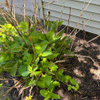
    Those are not hydrangeas. They are viburnums, which are frequently referred to as snowball plants, depending on the species. From the leaves showing in the photos, they appear to be Viburnum trilobum (syn. V, opulus var. americanum), aka highbush or American cranberry and will produce lacecap type flowers, not the rounded, 'snowball' form. And they do not appear "overgrown" at all, as this shrub can get quite large - 8-10' tall and wide. So that particular siting is really not adequate for their unimpeded growth. And routinely needing to prune them back to fit the space will prevent any flowering. I'd consider moving them to a better location in late fall or very early spring.

    Rachel thanked gardengal48 (PNW Z8/9)