Software
Houzz Logo Print
jc_7a_middletn

Spraying Roses for

8 years ago
last modified: 8 years ago

blackspot, aphids, and thrips.

Ive been casually reading for months but haven’t really deciphered the differences people here refer to.

What is a no spray garden?

Do organic gardeners spray for these issues? How do they deal with pests?

Are there products and routines I should be following to get rid of these problems?


I only have maybe 50 plants and over a third are knockouts so they don’t have these issues.

Comments (42)

  • 8 years ago

    Organic gardeners really don't spray their gardens with anything other than water.

    Aphids are easy peasy lemon squeezy. You can brush or wipe them off the roses with your hands, or wash them off with water.

    Thrips -- well, I see occasional outbreaks of thrips, but they don't last long. Something must be eating them

    That's the deal. If you're not spraying with chemicals, beneficial/predator insects will eat your "bad bugs," or birds will. Birds are death on aphids. If you're not showing roses competitively, you can deal with a bit less than absolute perfection.

    Blackspot, though, that's tough. I guess the only way around that is either to spray periodically, or grow roses that don't blackspot. (It's easy for me to say, since blackspot is a rare visitor to our little coastal desert.)

    jc_7a_MiddleTN thanked jerijen
  • 8 years ago
    last modified: 8 years ago

    Yes, aphids are easily wiped/hosed off. Where I live they appear usually at the very start of spring and very few after that. They target tender baby new growth and baby rosebuds--exactly the stuff you want most to protect. When they're around, I look at new leaves and small buds carefully. With one hand I gently wipe them off with my fingers and with the other hand I spray the gunk away and spray down the buds/leaves.

    For other pests -- in my case, the main problems here have been rose slugs (saw-fly larvae) and blackspot; blackspot is huge here. Rose slugs would turn my young plants into Swiss cheese practically overnight and they return several times over the spring/summer.

    Look into what's known as the "Cornell formula" (as in Cornell University). There are various mixtures/adaptations, but basically, a solution of water with a small amount of a light horticultural oil, horticultural soap, small amount of baking soda, and sometimes some fish emulsion if desired. You need to spray the undersides of the leaves as well as the tops/stems. You should spray early evening after the bees aren't swarming, and when it's not windy. This was very, very helpful against rose slugs for me and it also seems to help against blackspot, rust, powdery mildew. I do think it helped my roses with blackspot. The other thing I wasn't aware of until this year is that young roses (and under-watered roses) are more prone to blackspot and other ills, and that pests target weaker stressed plants. My roses have been much less affected by blackspot this year now that they're bigger and stronger, and I've been watering more. (My roses are almost all in containers--too-small containers at that--so watering and feeding is more crucial.)

    There are lots of good threads on GardenWeb (err, Houzzzzzzz) about Cornell formula. Good luck.

  • 8 years ago

    I live in a more inland desert further south than Jeri but second all her comments. I did have an outbreak of blackspot which started on Burgundy Iceberg and spread to quite a few surrounding roses, including some very pretty ones. Nevertheless, I took out some of those roses, including of course the offending BI, and have not had an outbreak since. This was many years ago. With the many creatures of all kinds I have in my country garden I wouldn't think of spraying the roses any more than I would spray myself. It's much easier (and kinder) to avoid those roses that are known for being blackspot magnets. Even old roses have some offenders like, for instance, Mme. Isaac Pereire (in some locations).

    jc_7a_MiddleTN thanked ingrid_vc so. CA zone 9
  • 8 years ago

    Oh gosh Ingrid ... 'Mme. Isaac Periere' . . . . In our garden, she would display extreme rust, extreme mildew AND extreme blackspot -- all at the same time.

    She was a veritable college course in rose-diseases, all in one big thorny plant! (And as you might guess, she is long gone.)

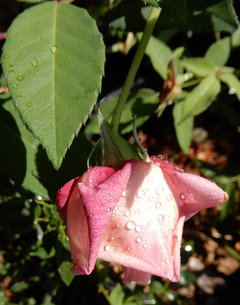
    I'll stick to roses with foliage that looks like this:

  • 8 years ago

    I second everything said above, but I also live in California. I don't think there is any reason to spray to kill insects - kills the beneficials, and you start a very bad cycle.

    Here, I do not spray for fungus diseases, except when I see an outbreak of downy mildew. I have lost roses (all the way to dead) to that in 2 weeks, so I do jump on those thankfully very rare outbreaks. Don't spray for blackspot or rust. I keep reading that other areas have severe "blackspot pressure". I am ignorant - what exactly does that mean? Do old roses which hardly ever (except maybe old leaves at the end of the season, or just very occasionally) get blackspot here are covered with it all year in other locations? Just curious...

    Jackie

  • 8 years ago
    last modified: 8 years ago

    I’m assuming that blackspot is more likely to show up where it’s hot and humid?

    Fragrant Cloud is the only one(s) I have that is getting it.

    Is that what neem oil is for? The aphids are nuts right now so I’m glad to hear they are easy to get rid of. Do I need to? Do they cause problems?

  • 8 years ago

    Thanks everyone!

    Ben, I only have 1 Rose “bed” per se.

    So when there are bugs on a couple roses, they aren’t completely taking over.

    I’ve only found aphids on 4 bushes and blackspot on 2.

  • 8 years ago
    last modified: 8 years ago

    JC

    My experience with bugs (specifically including aphids) is that they can multiply extremely fast in the right conditions, and what was a minor nuisance can rather rapidly become a disaster. So that’s why I say get them under control early just to be safe. Squish them, pelt them with hard water stream, get some ladybugs to devour them.

  • 8 years ago
    last modified: 8 years ago

    jc,

    Here's my advice, one man's advice, take it for what it's worth:

    THRIPS, unless you have chili thrips (not likely you do), which are far more damaging than regular trips, are best left alone, whether you decide to spray (organically or conventionally), or no spray at all. Their damage is seasonal, and does not slow down growth or inhibit blooming, just cosmetically effects open blooms, and occasionally stops buds from opening properly or at all.

    I never let thrips be an issue, just bear up best about them. If you are a rose exhibitor, thrips are a big issue and need controlled. Otherwise, don't let thrips let you down, I don't. Yes, thrips somewhat spoil a rose's pristine looks, but we still see the beauty and handsomeness of our acne marked teenagers, pimples or not, don't we?...same with our roses.

    APHIDS. are a cakewalk. They always are found in groups, usually at growing tips. A forceful, but gentle (Don't tear up the roses' foliage in the process!), water spray from your hose nozzle, directed at the aphids where they congregate will wash them away. They are too dead or traumatized to return!

    You may need to hit the survivors of the first spray again tomorrow, and maybe too, again the following day, but they will be gone shortly. No organic or conventional spray is necessary.

    BLACK SPOT, now here is a nasty one for both you and me. We are in BLACK SPOT ALLEY!

    The #1 approach is to grow black spot resistant roses. There are quite a few new ones out there, even in the hybrid tea class, historically notorious black spot magnet roses. You are not by any means limited to the Knock Out roses.

    ADR designated roses have exceptional black spot resistance, almost black spot proof. Look for the ADR winners, so designated in the press on those roses awarded so. You could have an entire rose garden, with ADR awarded roses from varied classes....really no spray for black spot.

    #2 is to spray organically. Serenade is highly recommended. There are other organic fungus treatments, and some homemade concoctions like the Cornell Fungicide. You try them and see which works best for you. Don't hold out too much hope for the homemade organic fungicides.

    #3 is to spray conventionally. I go this route with Bayer Advanced Disease Control for: Roses, Flowers, and Shrubs. It works best for me. I went the organic route with disastrous results. I have not used Serenade. It's relatively new. My niece does, and with success. Diligence with Serenade is crucial, and both leaf sides must be sprayed, a bummer. Also, after it rains, spray must be applied again, otherwise on a weekly basis when no rain has occurred since the last spray.

    Moses

    jc_7a_MiddleTN thanked Moses, Pitt PA, cold W & hot-humid S, z6
  • 8 years ago

    jc -- Neem Oil is an insecticide
    https://gardeningknowhow.com/plant-problems/pests/pesticides/neem-oil-uses.htm
    with antifungal properties.

    It's an organic -- but as a friend once noticed -- that ". . . cide" means that it kills something. You don't of course mind that it kills aphids (!) but it is also highly toxic to bees -- so you want to be cautious about where and when you use it.

    One approach you might consider (to lessen your fungicide needs) is to look for roses that are resistant to blackspot.

    jc_7a_MiddleTN thanked jerijen
  • 8 years ago
    last modified: 8 years ago

    What is a no spray garden?

    For those of us whose plants get blackspot, it usually means a garden where no fungicides are used. Also, we make the distinction between synthetic (e. g., mancozeb, propiconazole, tebuconazole) and organic fungicides (e. g., sulfur, Cornell formula). However, it is also used for gardens where no pesticides are used. Pesticides include fungicides (for fungus prevention), insecticides (for insect prevention and killing), and herbicides (for weed killing). Insecticides kill everything, including beneficial insects, such as those that control spider mites, and earthworms.

    Do organic gardeners spray for these issues? How do they deal with pests?

    Some may use an organic-based fungicide or try other organic means. Otherwise, they grow varieties that are disease resistant in their area, and either manually remove bugs or leave them alone/do nothing.

    Are there products and routines I should be following to get rid of these problems?

    It is up to you to first decide if you want to do any active treatment of problems or if you can live with whatever damage is done. For blackspot, the most effective method is to grow disease-resistant varieties. Aphids are easy, as Jeri said, and they are usually a short-term nuisance. Thrips are a bit harder to control. A few people have tried using plastic cups coated with oil to trap some insects (thrips, midge). The method would be up to you.

    BTW, the name of the Bayer fungicide is now BioAdvanced Disease Control for Roses, Flowers & Shrubs (tebuconozole).

    jc_7a_MiddleTN thanked diane_nj 6b/7a
  • 8 years ago

    This thread should be stickied to the top of the forum. So many great responses!


    I’m not militant about perfection and certainly don’t show roses.

    My plants are all new so I think I might just be a non sprayer because I’m lazy. Hopefully they become more resistant as they age.

  • 8 years ago

    Im going to be referring to this post later.... very interesting and informative!

  • 8 years ago
    last modified: 8 years ago

    Re: aphids. They were a serious problem for me, massively feeding on buds and preventing normal blooms on some, thankfully not all, roses until I discovered two things, as already mentioned: water spray and ladybugs. At the first sign of aphids I put my plan into action: water spray them with the hose, then get ladybugs at the nearby nursery and release them in the evening or early morning. One or two days later, all aphids are gone. One caution about ladybugs: it's best to release them slowly and at the lower levels of the shrubs, otherwise they can fly away.

    jc_7a_MiddleTN thanked vesfl (zone 5b/6a, Western NY)
  • 8 years ago

    Only one thing that's cooler than ladybugs . . . birds.
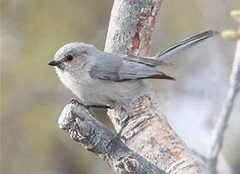
    There are these neat little birds -- the American Bushtit -- that descend on us in the spring in big flocks. It takes them about two hours to eat every aphid on the property.

    https://en.wikipedia.org/wiki/American_bushtit

    I love to see them!

    Sorry Easterners -- they are apparently a Western bird.

  • 8 years ago

    Great info here—that’s why I love this forum! I’ve had really good luck with milkspray for blackspot, too. Spoiled milk makes the best, but is a little fragrant. :-)

    I try to start with the least harmful stuff, and work my way up to the “big guns” only when it means losing the plant. My lizards, snakes, geckos, and birds take care of so many pests, I hardly ever worry about them. I note where I see them, then after a few days when I go back to check, it seems nature has taken care of it. But if I sprayed chemicals (synthetic or organic) at first sight, I’d probably be hurting the good guys more and making it open season in my garden for the bad guys.

    And don’t worry, Jeri—we have the cutest little blue-gray gnatcatchers here, and they are Serious about eating aphids, whiteflies, etc. :-)

  • 8 years ago

    We do not have that many roses (14) but the mature roses we do have are disease resistant so no need to spray fungicide...


    I let aphids, rose slugs for the good insects & birds etc. to eat..


    I bag and trash each spent bloom to hopefully cut thrip population down...


    I also try & do some organic things to keep rose midge populations lower...


    Now once in a great while I will spray tiny young roses with spinosad or rose slugs/thrips/etc. would devour them and retard growth...More mature roses I do not worry about...

  • 8 years ago
    last modified: 8 years ago

    Perma, what is the name of the that bird. I am also lucky so far no bugs. Except for the manure but nothing harmful to roses. I have tons of lady bugs. Seems they must have a nest somewhere. I see usually 4-9 a day. I hope they will be here when I need them. I have to many birds here that is why I need to know about the bird you are talking about Perma so I find him/her sitting on fence, trees, electric wires...lol.

    I hate lizards Bec they are all over the rose beds. If I don't see them and when they jump ,they make me jump mostly.

    This thread is getting very interesting. I also used milk mix water for BS.

    Jin

  • 8 years ago

    https://www.allaboutbirds.org/guide/Blue-gray_Gnatcatcher/overview

    That‘s him—you might recognize his song. And don’t be hating on the lizards—-they‘re hard at work eating all the bad bugs for you—-I’ve come to think they’re kind of cute, in a comical sense. They have very funny personalities. :-)

  • 8 years ago

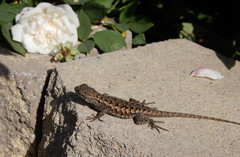
    HEY! I love my lizards! Great bug-eaters. I love to watch our Western Fence Lizards doing pushups on a sunny rock.

  • 8 years ago
    last modified: 8 years ago

    They are very helpful. I made my daughter to put a few in the beds Bec of houseflies infestation. Then snakes but overall I have issues holding them including earthworms. My daughter loves them plus tree frogs and toads.

    I can handle animals and birds. Not amphibians or reptiles. I don't hate them just don't like being near them or hold them. I even have beared dragon at home and I only touch it twice for 6 years.

    Jeri, that is cute. Yup, they do tons of push ups :)

    Perma, you are right. I heard them many times.

    Jin

  • 8 years ago

    Last week, when I was weeding, I pullled up a weed with a lizard egg in it, but I didn‘t see it until it was falling. It dropped to the soil, and I saw a tiny little leg sticking out! So I sat there, watching it, at first to make sure I didn’t hatch him prematurely, and then when I realized he was being born!! It was the most precious thing, because when he pulled his head out of the shell, he looked up at me with pure wonder, and no fear. Then an ant caught his attention; he grabbed it and ran off into the bushes. We’ve got a population explosion right now, and I’m seeing the babies everywhere. Sooo cute! :-)

  • 8 years ago
    last modified: 8 years ago

    Perma that is very unusual treat. That is so cool to see a lizard being born.

    They are so many here and so small. I have never seen that tiny as if they all are newly born. I think it is the season for them.

    Nikita wants to get some Skinks. Which means I will be more jumpy and screaming if one is on me or jumps on me...lol

    Told her to go ahead. So, she is going to get some from her friend's grandparents place. They have zillions of them.

    Jin

  • 8 years ago
    last modified: 8 years ago

    I sprayed the hose on the 4 bushes today that had aphids on them.

    They really were completely out of control. I smashed so many with my fingers that it looked like I dipped them in yellow peanut butter.

  • 8 years ago

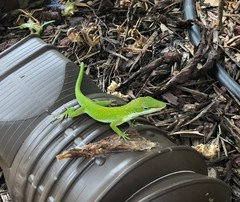
    This is my little green buddy, he’s going to snack on some aphids and mosquitos

  • 8 years ago

    Today I noticed that something is eating my brand new Lady of Shallot. I poured Diatomaceous earth all over it. That should take care of the creepy crawlers. I used it on Earth Angel and whatever was eating soon disappeared.

    jc_7a_MiddleTN thanked Kristine LeGault 8a pnw
  • 8 years ago

    That’s something I’d never heard of, Kristine. I might try that.

  • 8 years ago

    It is not advised to use any product without first attempting to identify the problem/bug. You could end up doing more damage to your plants than the disease/bug.

  • 8 years ago
    last modified: 8 years ago

    JC, great job in smashing them dead. Yikes! I can never do that in million of years. I think this is where my kids will rob me . But at least the job will be done...lol.

    Shh, don't tell them I am willing to pay big bucks. They have not figured that out yet.

    Jin

    jc_7a_MiddleTN thanked Plumeria Girl (Florida ,9b)
  • 8 years ago
    last modified: 8 years ago

    Jc, The great thing about Diotomatious Earth is it's totally organic

    I even know people who brush their teeth with it but ewww..

    But I put it on my zinnias because they were being eaten alive by ear wigs and it took care of the earwigs. I put it around my hollyhocks to take care of the slugs it just seems to work on anything that crawls because of the little teeny tiny pieces that kind of tear things up

    So we will see. Plus its cheap.

  • 8 years ago

    I read that it prevents them from retaining moisture so it dehydrates the bugs.

  • 8 years ago

    And that is good to

  • 8 years ago

    DE works great inside, too, on fleas, roaches, silverfish, etc. If you have animals, you want the food-safe type. But it’s non-selective, so it will kill anything with an exoskeleton, even good guys like ladybugs and hover flies. For that reason, I only use it outside in spring when the raintree bugs explode their population, and then only once, only on the lawn, and rinse it off well after a day or two. It’s too dangerous for all my good guys to risk it blowing all over the garden.

  • 8 years ago

    Perma, that is good to know. I am all about protecting the good guys. Thank you.

  • 8 years ago

    I wish I had any of the good guys around.

    Bees and Ladybugs are nowhere to be found around the yard.

  • 8 years ago

    jc, do you have any beneficial insect plants? The most helpful bugs love teeny tiny flowers, so anything you can add with little flowers will attract them. I would think that where there was construction, and a lot of plant material removed, they are probably desperate for some safe haven and nourishment...that could be your place! :-)

  • 8 years ago
    last modified: 8 years ago

    I don't have any flowering plants except for 2 annuals in a window box and the roses I post about here.

    Maybe I should invest in some!

  • 8 years ago

    I think the investment is well worth the benefit you’ll gain. It’s easy to start with transplants, any flowering herbs, or even by seed. I’m amazed at how well my beneficials clean the garden for me! :-)

  • 8 years ago

    In line with this conversation, I just read this piece.

    FRANCE has passed a law banning the use of garden pesticides. THEY, it seems, take their pollinating insects seriously:

    Leslie Nelson Inman

    July 18 at 4:46 PM

    d from public green spaces to private gardens when the over-the-counter sale of pesticides to non-professionals becomes a thing of the past.“ We need to learn about insects, instead of spraying them. There is so much about bees that most of us don't realize, including the sheer amount of diversity. There are over 4,000 species of native bees in North America alone.
    LINK: https://www.mnn.com/…/french-parks-and-public-gardens-bid-a…
    LINK: https://www.sciencefriday.com/…/beyond-the-hive-the-wonder…/
    LINK: https://www.mnn.com/…/9-extraordinary-facts-about-north-ame…

  • 8 years ago

    I heard about this too—-great stuff! Thank you for the awesome articles on bees! I think they are just fascinating! :-)

  • 8 years ago

    That makes me so happy to hear I wish the US would get with it

Sponsored
Hope Restoration & General Contracting
Average rating: 4.7 out of 5 stars35 Reviews
Columbus Design-Build, Kitchen & Bath Remodeling, Historic Renovations