Software
Houzz Logo Print
karenzir1

New windows , nail flange ?

8 years ago

Hi pro’s

when did nail flanges first start being used? Most homes up until the 80’s had brickmould that served as a flange. When did nail flanges first start being used?

i noticed most homes with nail flanges dont have brickmould or exterior trim, the siding simply butts against the window.

Comments (27)

  • PRO
    8 years ago

    I think you answered your own question.

  • 8 years ago
    last modified: 8 years ago

    So toddinmn, nail flanges started being used on windows in the late 80’s early 90’s ?

  • PRO
    8 years ago

    Not sure exactly when but I’d say you are on target. What is the real question or are just a curious mind?

  • 8 years ago

    Andersen started with nailing flanges when they foorst started with the Permashield which was in the 70's. Flanges definitely became more popoular as the market got more into aluminum and vinyl clad, which precitpitated less brickmould obviously.

  • 8 years ago

    Toddinmn, i guess when using brickmould as a flange in the 70’s and early 80’s, they didnt use flashing tape? I guess there was no where to use it if there was no flange?

  • PRO
    8 years ago

    I have not seen it used with brickmold, but it could be taped about 3/4 into the brick mold.


  • 8 years ago

    Flashing tape was well after the nailing fin. Kraft paper was one of the earliest. We used to include several rolls as a courtesy to every aluminum window order. It wasn't uncommon to go to a job site after and see that it wasn't even used. Time frame = late 70's.

  • PRO
    8 years ago

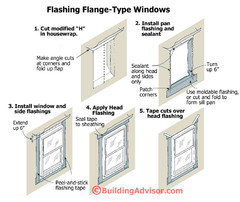
    In addition, I'd say that it's only been within the last 10 years or so that it's common place to get these things lapped and sealed properly. Most stuff in the 90's and early 2000's had the housewrap/wrb wrapped into the RO on all 4 sides and the nail fin sat on top. I still see some guys doing this unfortunately, but most seem to use best practices these days with the wrb lapped over the fin/flashing tape.

  • 8 years ago

    When a nail flange is used with a home with house wrap, the flange gets placed OVER the house wrap or is does the flange go directly over the plywood?

  • PRO
    8 years ago

    Depends on the side. The top goes under. Sides and bottom go over.... Are you planning to install windows, or just educating yourself to perform some quality control on your installers? ... If the former, I'd definitely spend some time familiarizing yourself with building practices and concepts. There are a lot of how-to videos etc out there. You may also want to consider hiring professionals if you don't have a baseline of knowledge and experience of building methods. It can be expensive, but paying someone to come back and fix mistakes is often much more $$$ in the end.

  • 8 years ago

    Thank you homesealed

    i am hiring a pro but want knowledge.

    the sides and bottom flanges go OVER the housewrap but the top flange goes directly onto plywood?

    flashing tape goes directly over top, side, and bottom flange?

  • PRO
    8 years ago

    I like putting the sides under as well. I think the wrap inside the home is counter intuitive .

  • PRO
    8 years ago

    I don't have any issue going under on the sides as well, its the top that is truly crucial. Most pros these days subscribe to taping under the fin as opposed to over on the bottom to allow any moisture that could penetrate to be evacuated.


  • PRO
    8 years ago

    I prefer placing the flange directly on the sheathing and then flashing the flanges. The bottom is usually pan flashed.

  • 8 years ago

    It is "assumed" that a window will experience water intrusion at some time. Today's Best Practices are a sill pan . Flashing tape (or 4" flashing) overlapping the fin on three sides but leave the bottom open. You want to allow any water/moisture in the opening to drain to the wrapped/flashed area below the window.

  • PRO
    8 years ago

    You also want the sill tapered or tilted otherwise all that fancy flashing might just direct the water inward.

  • 8 years ago

    My contractor didn't pan the sill and taped over the bottom flange. I wish I would have known this prior as all of the windows were installed this way. It is staying that way as I figured removing the windows and correcting would probably cause more damage. It is good to know the preferred method and set that expectation prior to their install.

  • 8 years ago
    last modified: 8 years ago

    No offense, but who’s responsibility do you think it is to find that out? You are researching after instead of before?

    I will say this, many contractors still use those procedures. It’s not uncommon to tape over the bottom as not doing so is more of a CYA measure should it ever leak. The sill pan, sloped or not is probably still less common than it is popular. Again, CYA. Best practices yes, but I’m not sure that we are in a place yet where that would be considered an industry standard. The head flashing on the other hand is a must to get that right. If it’s right, the bottom stuff becomes less important. I’m sure the “by the book” guys will jump all over me for saying these things, but it’s the real world truth. The other truth of course is that most consumers don’t want to pay the extra money for that sill pan. When they hear that it will add a day or two to the project and hundreds or thousands of doll hairs, they opt out

  • 8 years ago

    fridge2020, I am not sure if your question was intended for me. I expect my contractor to follow the specified installation instructions for Marvin windows which directly call out to doing a sill pan. My current house built 12 years ago from a high volume production builder has pans on all windows.

    It does give me some comfort that you are saying many installations are done the way mine were. I just wished I would have asked the question. You can't ask the question about every single building technique when building a home and need to have some trust in the contractor you choose.


  • PRO
    8 years ago

    Yes , it would be the responsibility of the contractor to follow manufactures instructions at a minimum. Unfortunately the guys who are taping up the bottoms are not doing the heads correctly either. Using duponts flex tape can cut the time/cost of doing A sill pan. The sill detail is the last defense and is second in importance after the head detail. Modern techniques are much more important with new houses and water damage can do significant damage to modern building materials. On the other hand a lot of doors do not have nail fins and retrofits can not use these techniques. Marvin, Pella, Andersen all have YouTube videos as well as written instructions .

  • 8 years ago
    last modified: 8 years ago

    Right on queue Toddinmn. Ha. I’m just shooting straight my friend. If you want to scare people into thinking that a sill pan is a must be my guest. Sill pans are a total overcompensation for the terrible backwards installs done for so many years in my opinion, but you know what they say about opinions. I would disagree that all guys that use either proper head flashing or sill pans automatically do the other as well, but hey, maybe that’s your experience.

    Filly, yes I was talking to you. If the head flashing was done properly you have very little to worry about. I wouldn’t tell someone not to do a sill pan if they want the best procedure, but it won’t be used if the other stuff is done right. It’s insurance

  • PRO
    8 years ago

    Like safety chains on a trailer, everything’s done right you don’t need them. Unfortunately there are many things that can wrong even outside of the exterior nstallers control and once you do need it s to late. Like chains on trailers, sill detail is cheap insurance.

  • PRO
    8 years ago

    Fridge2020

    i agree with you. The head flashing is the most important step by far. The sill, not nearly as important.

  • 8 years ago
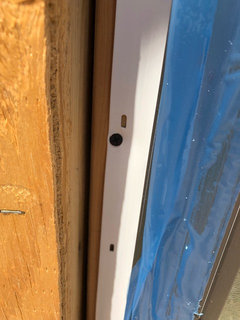
    Isn’t this flange supposed to be nailed pretty tightly? It seems like there isn’t going to be a good deal here. Am I worrying too much?
  • 8 years ago

    Dary you should start a new thread to get good feedback on your problem. In it include more information about what is going on, and some more pictures

  • 8 years ago

    As long as the head flashing is done right , you should be good to go