Software
Houzz Logo Print
lexi_atel

Preparing an Orchard

8 years ago
last modified: 8 years ago

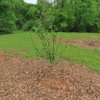
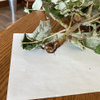
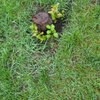
I'm wanting to prepare an orchard next year, and I'm wondering if anyone can offer some planting/preparation tips. I've got a couple of older, neglected peach trees (no idea what kind they are, one stands about 15-20ft and the other maybe 12ft, they seem to be the same kind though....) that we want to use as jumpstarters for our next trees by using pruned limbs and root hormone so that we can save some money.I've had these for a few years, and they were planted in a rush. We were not prepared for them, and honestly I thought they were not going to produce anything. Three years ago (for a total of eight since their planting...), they developed fruit that never got very big or too ripe-- it was a complete surprise to see them bear!--, but I made some quick jam with them that I enjoyed. Since then, they've been infected by bugs it looks like (the fruit seep clear jelly liquid, I've read that it's some kinda moth). So I'll take preparations for that on the new trees.I've never done this before really, and it seems very overwhelming. I'd like to start with one fruit type if possible and hopefully get the hang of things before adding in another type. We'd like to have apples, pears, peaches and one other we haven't decided on. We have 20 acres to work with. We've decided on dwarf trees (but I've come to the conclusion that my current trees are not dwarf, even though they were supposed to be).Basically, I want to take my time this time, and not be rushed. Prepare a sight properly, plant them with adequate nutrients, protect them from pests (my chickens did a wonder on them the summer I planted them) and hopefully do a lot better than last time.So any tips? When should I plant them? What's the best way to protect them from critters and insects? Do they need some sort of bracing? Some advice from experienced growers would be really nice.
Thank you so much for your time! :)

Comments (5)

  • 8 years ago

    Lexi, there's one huge piece of information missing from your post. Where in the world is your embryonic orchard located? Also growing new peaches from cuttings is not easy and would not provide a jump start by any stretch of the imagination. You'd be far better off purchasing healthy named varieties suitable for your area from a reputable source. Meanwhile you might want to try renovating your existing trees.

  • 8 years ago

    Thanks for the response!

    East Oklahoma is where I'm at :)

  • 8 years ago

    Pears will be easiest for you make sure you get fireblight resistant types if that is a problem in your area the others will require spraying

  • 8 years ago

    First, it is best to go with name varieties from a reputable vendor. For good cheaper trees, Legg Creek in Texas or Vaughn Nursery in Tennessee are good nurseries that have a good reputation. No need to spend $30 per tree. They sell for about $8 to $10 per tree.

    I would stay away from dwarf varieties, esp. in peaches. Dwarf means low vigor with a low margin of error. You can keep a regular size peach tree small by pruning.

    Pears are easy to grow but can take several years to start producing. I would start with peaches, then go from there. They will start producing in 2 to 3 years. They will take spraying but are more forgiving due to strong vigor.

    Best time to plant would be in December to January in your area. It gives the trees time to root. If your soils stays frozen, plant later. Do not plant trees past about April, they will not have enough time to produce root for the harsh summer temperatures.

    Being able to keep grass away from trees will greatly spend up tree growth. They do not compete with grass very well, esp. Bermuda grass. Knowing this, do not plant too many trees at once or the grass with get away from you, slowing the growth of the trees.

  • PRO
    8 years ago

    I started my hobby orchard of apples, cherries, plums, and pears about 10 years ago. (I also tried peaches but they all died.) It's been (and continues to be) a steep learning curve. Some things I've learned:

    Step one was getting a soil analysis done. You also need to evaluate drainage and watering. Young trees can need a LOT of watering in dry periods even with extensive mulching. It's also important to note fruit trees in general don't like "wet feet" so good drainage is essential.

    I learned the hard way (50 dead cherry trees) to buy my stock from a nursery in the same climate area as my location.

    I've always mulched my trees, refreshing the mulch every 2 years. Lots of work and it pays to find a cheap source of mulch. A guy that does tree service can be a good source.

    A small tractor with a loader is invaluable. Ditto for a side by side or an ATV pulling a small trailer.

    Almost everything that crawls or flies likes apples. Also fungus problems. For my location cherries, plums, and pears have far less parasites.

    Dwarf trees need to be well staked.

    Deer suck. A dog with roving privileges over your 20 acres will keep the deer away even at nite. I was told it was the predator urine smell. When my dog got too old to roam the property all day the deer damage went from zero to substantial.

    This forum is an invaluable source of expert advice.

    Local Ag colleges usually have programs that provide good info.

    Big box store fruit trees are not a bargain; usually they don't even specify the rootstock which is a critically important variable.

    Bees are your friends.

    Thinning apples is a lot of work.

    Birds will eat ALL your cherries unless you do something to prevent it.

    It's a rewarding hobby. Last nite I had the best apple crisp I ever tasted.

    Mark in MN