Software
Houzz Logo Print
webuser_230141825

Help with Hydrangea

8 years ago
last modified: 7 years ago
Hello All,

I have a small potted hydrangea that I keep inside the house (never hotter than 72 degrees). I place it near the window during the day for sunlight, as the room it's in is otherwise dim.

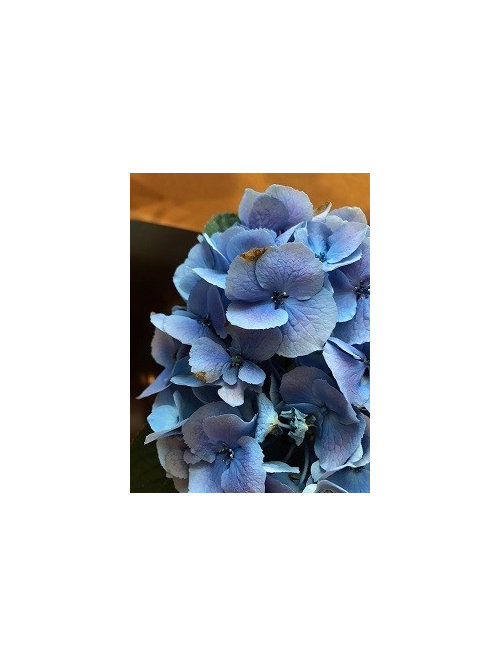
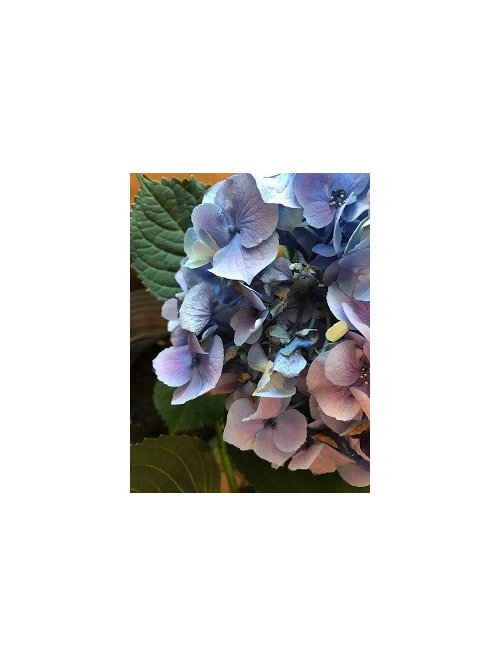
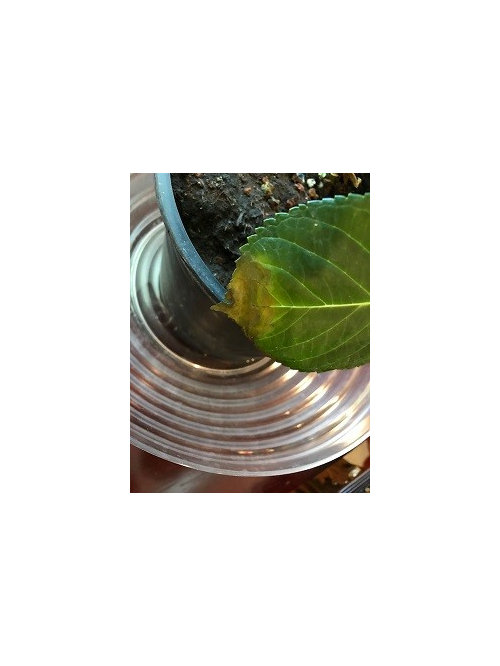
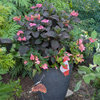
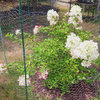
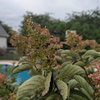
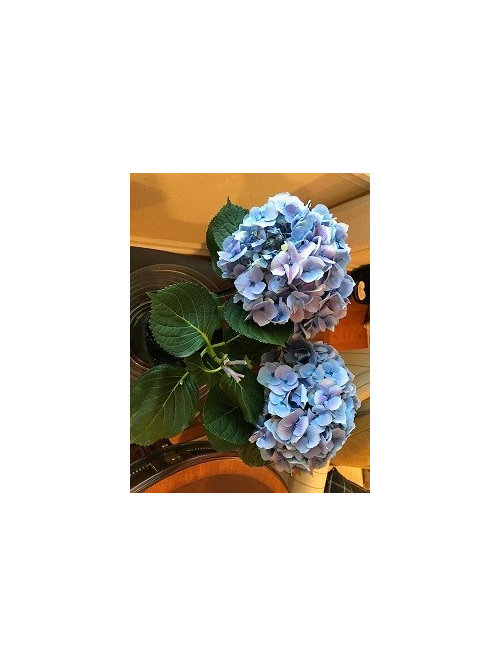
I didn't know how often to water it, so it withered. A good watering brought back two of the three bloom clusters, but I lost one. I clipped off the bloom stems on the lost one. (See the first picture) The other two are now starting to turn brown at the edges of the petals and leaves, and some of the petals are wilting. (See remaining pictures)

I read that I should fill the pot to the brim, let it drain down, then fill and drain again. Is that correct? How often should I water? Should I let it sit in a bowl of water? Am I giving it too much sunlight?

I would like to keep this plant in the house. Any advice will be much appreciated.

Thanx,

Arlene


Comments (2)

  • 8 years ago
    last modified: 8 years ago

    I hate to rain on your parade but hydrangeas make very poor houseplants......as do any plants that are native to temperate areas. Indoor conditions just do not offer the range of temperatures a hardy plant like this must experience to continue healthy growth, it is too dry and there is insufficient light. With good care you can keep them going for awhile but they will eventually start to decline.

    Is there nowhere outdoors you could plant it? Even in a container on a porch or balcony? You will probably need to find somewhere to store it overwinter unless you live in a very mild winter climate...........but not in your living room!! This shrub needs an extended period of dormancy (temps right around 35-40F) which generally coincides with winter in the northern hemisphere.

    Arlene Michael thanked gardengal48 (PNW Z8/9)
  • 8 years ago
    last modified: 8 years ago

    I would make sure that the pot has holes where water can come out and that they holes are not obstructed first.

    You should water when the potting soil feels almost dry or dry to the touch to a depth of 1-2". Consider also switching it to a larger pot "soon" as most hydrangeas are plants that get much bigger. Make sure that the potting soil is not kept soggy as this can make the roots develop root rot. Excess water should drain out and the recycled water should be used on other plants or thrown out. Do not let the pot sit in this excess water.

    The blooms should start to turn colors that add some greens/pinks to the bloom sepals. After that, the blooms will turn brown. To deahead the spent blooms, you can cut the petiole string that connects the end of the stem to the bloom; that is called deadheading. If they go directly from blue to brown then there is a moisture issue... too much or too little.

    Mopheads develop flower buds for Spring 2019 somewhere around July-September. These invisible flower buds open in Spring, Care should be applied not to cut them off as they are located at the ends of the stems. By cutting the petiole string, you do not cut these flower buds.

    Hydrangeas like dappled sun conditions but they can also be planted in morning sun until 1-12pm or in full but bright shade. They do not perform well inside on a long term basis. Outside, they can be planted in Zones 7 or warmer. In my location, the summer sun is very strong so I opt to give them more shade and stay shaded closer to 11am and later. Since you are keeping it 24/7 inside, I would aim to give it morning sun and-or indirect sun. The only times when I have them "inside" is in winter and I wait until they loose all their leaves and keep them in the garage. In very cold zones like 5 or below however, would choose a location that is warmer than an unheated garage though. ;o)

    In Zones 6 and colder, these mopheads may not bloom reliably because the cold winters kill the stems unless you winter protect the plant. People switch to hydrangea paniculatas, hydrangea arborescens and oakleaf hydrangeas in those colder zones as the first two can be winter hardy to Zones 3-4.

    If you got this shrub from a grocery store or florist with no plant label to speak of, assume that it can get as large as 5-6' high & wide under optimum conditions. Assume also that it can bloom reliably only in Zones 7 and warmer. Winter dieback may keep some mopheads shorter though.

    You may need to amend the potting soil regularly with acidifying agents sold at most regular plant nurseries. And plan on watering/fertilizing more often if potted. Outside, the can be left fertilized with the decomposing mulch only, one application a year in Spring or less.

    If in zones colder than 7, you may need to eventually dispose of the shrub as they do not last too long inside. The only choice is to go outside and plant them and see if they can handle it. In cold regions, I would try to plant it in the Spring so they get used to their new location, the leaves adjust to the sunlight and roots grow and prepare for cold weather. Then winter protect to get reliable bloomage. Or throw it away when it declines in the pot. ;o(

    More info on hydrangeas:

    https://plantaddicts.com/all-about-hydrangeas/

    Arlene Michael thanked luis_pr