

Balloon Milkweed - tips for growing
8 years ago
last modified: 8 years ago
Featured Answer
Sort by:Oldest
Comments (8)
 8 years ago
Related Professionals
Jacksonville Landscape Architects & Landscape Designers · Tallahassee Landscape Architects & Landscape Designers · New Braunfels Landscape Contractors · Grand Junction Landscape Contractors · Twin Falls Landscape Contractors · San Antonio Cabinets & Cabinetry · Enfield Cabinets & Cabinetry · Alpena Cabinets & Cabinetry · Las Cruces Cabinets & Cabinetry · Everett Landscape Architects & Landscape Designers · Lafayette Landscape Contractors · Durango Landscape Contractors · Valdosta Home Builders · DeRidder Home Builders · Aurora Home Builders- 8 years ago
 8 years ago
 8 years ago
- 8 years ago
- 8 years ago
- 8 years ago

Related Stories
EARTH DAYHow to Grow a Modern Pollinator Garden
You can have a minimalist design and bees too by massing thoughtfully chosen pollen- and nectar-rich flowers
Full Story
KIDS’ SPACES8 Tips for Peaceful Bedroom Sharing With Baby
Enjoy better sleep, neatness and enough space for everyone’s things with these shared-room strategies
Full Story
GARDENING GUIDES10 Tips to Start a Garden — Can-Do Ideas for Beginners
Green up your landscape even if you're short on time, money and knowledge, with these manageable steps for first-time gardeners
Full Story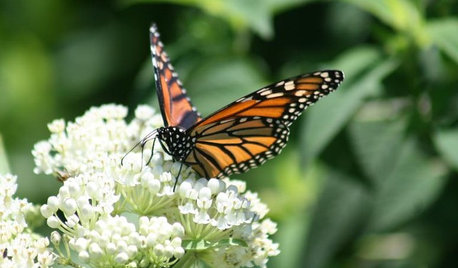
GARDENING GUIDESGreat Design Plant: Milkweed
Quit cringing. This not-weed plant is a sight to behold in the garden, has a delicious vanilla scent and is a magnet for butterflies
Full Story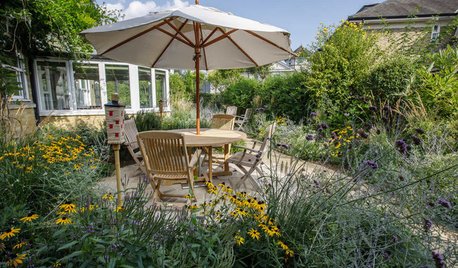
LANDSCAPE DESIGN4 Tips for Creating a Small Garden That Welcomes Wildlife
Win over birds, bees, butterflies and neighbors with these design strategies
Full Story
HOLIDAYSChristmas Cleanup Tips for the Not Naturally Organized
Dreading the postholiday chores? First let yourself unwind. Then grab some boxes, a few supplies and this easy guide
Full Story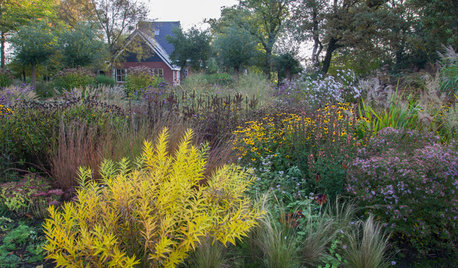
NATIVE PLANTSHow to Grow a Garden From Seed
Planting grasses and flowers from seed is economical, minimizes garden maintenance and benefits local wildlife
Full Story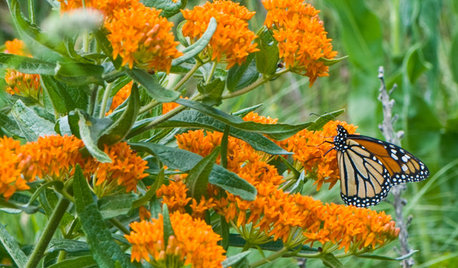
GARDENING GUIDESGreat Design Plant: Butterfly Milkweed, a Beacon in the Prairie
Vivacious orange flowers for you, nectar for the butterflies and bees. Asclepias tuberosa is worth planting for more reasons than one
Full Story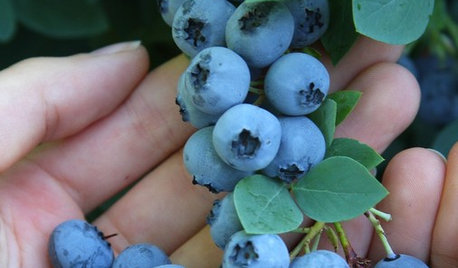
EDIBLE GARDENSSummer Crop: How to Grow Blueberries
Plant blueberries in spring or fall for garden beauty through three seasons — and a sweet superfood in summer
Full Story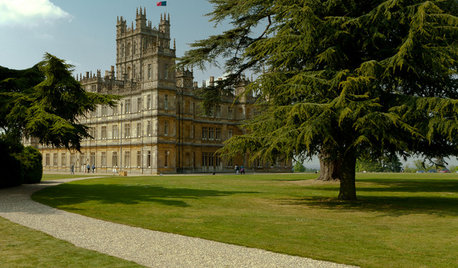
WORLD OF DESIGNEngland’s Most Famous Garden Designer Has These Tips for You
Lancelot 'Capability Brown' was born 300 years ago, but his ideas about naturalistic landscape design may be more relevant than ever
Full Story
Sponsored
RhondaOriginal Author