Software
Houzz Logo Print
alyssa_vache

My insane full sun phal

7 years ago
Hi all!

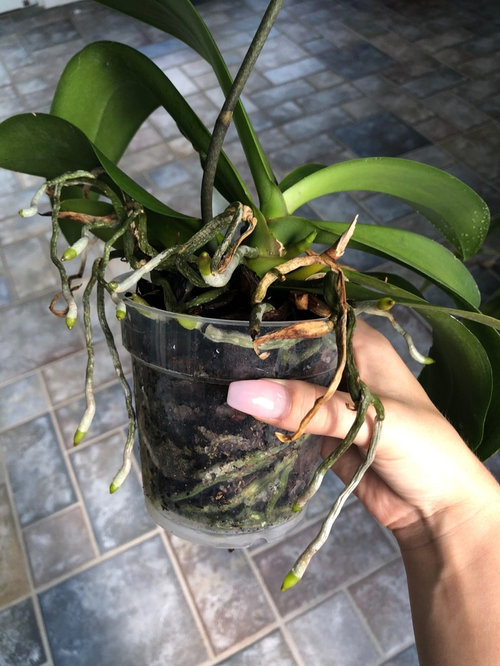
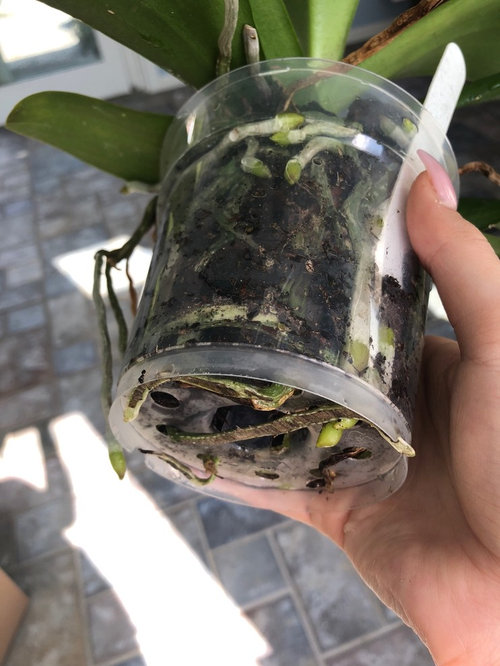
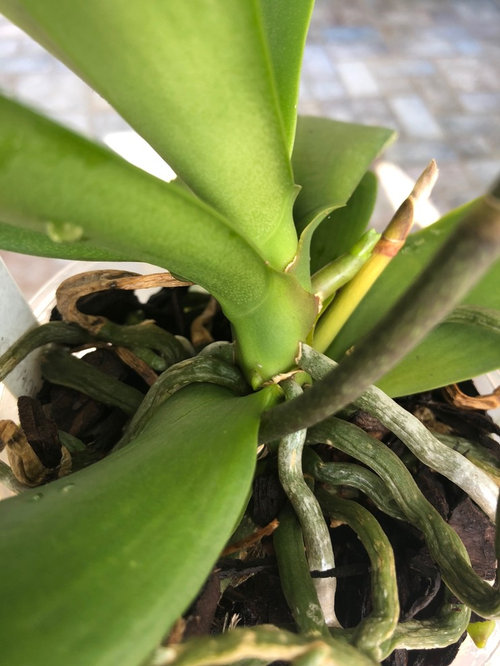
I’ve had this phal for maybe a year and a half now. I had it inside for the fall/winter and decided to put it outside this summer. It sat on a shelf with about 6 or 7 hours of direct sun all summer, and I must say it’s EXPLODED with growth. Two new leaves, roots have doubled in size, and it’s putting out two spikes. Not sure the species but I’m impressed!

Comments (9)

  • 7 years ago
    last modified: 7 years ago

    The intensity of the sun combined with heat can prove deadly to phals that were raised their whole lives under shade cloth. The perfectly climate controlled conditions of orchid nurseries often also result in them going into shock once they get out into the real world. Honestly I think most of these 'pansy' nursery phals would probably not make out well in their native environments.

    However in my neighborhood I have occasionally seen phals growing in hours of intense midday sun even here in the sun coast of Florida. One such plant (which I purchased at an estate sale for $1 ) seemed to have been dumped outside after it finished blooming.

    The oldest leaves on this phal ( having been in midday sun) were all burnt. All of the younger leaves that had emerged since where healthy looking. Those younger leaves however looked vastly different to me from the older ones. They appeared to have "modified" themselves.

    They were super lignified, rigid, much shorter in length, and even looked a different hue as though they were tinted grey or silvery, maybe strategies that protected the plant from the heat of the midday sun and helped reflect some of the excess light. The plant was in bloom and had lots of new roots.

  • 7 years ago

    I think the 'trick' is to slowly acclimate them to the sun. The phals I stick out for the summer that get direct sun immediately, usually show signs of burn. The ones sitting right next to them that had a chance to acclimate prior to the full sun exposure, seem to not burn as easily.


    Bob

  • 7 years ago

    It is the latitude. Most phals in Florida would die. Mail it to me and it will not tolerate the sun here. There are a few in the phal family that are different. I have heard of people in Boston that give their phals morning sun. I believe it.

  • 7 years ago
    last modified: 7 years ago

    Good morning Harvey!

    Or the time of day when they get the sun. 7AM to 1:00PM sun is much different than 11AM-5PM sun. Somewhat the same on back end of day, but I think the morning light is better for phals, but that may have a temperature factor also as my east facing patio is much cooler at 5PM than my west facing front porch.

    My outdoor east facing phals get dappled and direct sun both (depends on sun angle as it comes up) from daybreak until 12:00-1:00PM. I sit mine under an eave so that they don't get sun after 1:00PM. I also use 4 tiered racks so that protects them a bit also. As far as acclimating, I use heavy screening over the front of the racks for @4 weeks when I first bring things out in late spring.

    Again, I think the acclimating is critical.

    For example: None of my @20 phals suffered sunburn using this method. But, I had one that was in full 30" flowering spike this spring. It continued to flower and look great, but after everything had already been moved out and I shut down the winter grow room and decided to move it outside in late May. It was very protected initially, as in no direct or dappled sun and then I moved it to the east facing patio grow area. With the spike still in bloom and me not wanting to cut it, the phal would not fit on my racks so I put it on an exposed bench area. Still under the east side eaves but no way to acclimate. It burned in a few days and the burnt leaves now look bad, but she finally acclimated and is putting out new growth, roots etc… Other than looking 'ugly' it is doing fine and will probably spike nicely again this fall/winter. It bloomed until mid-August so the sun didn't bother the flowers.

    Not just phals either, I have to acclimate a lot of my orchids or they get burned, even some real bright light loving rupiculas(sp?) catts, vandaceous and toluminias.

    Bob

  • 7 years ago

    Bob. I would expect you to have some solar exposure at zone 6. In zone 10 That would not work. In Costa Rico Even more sensitive to the light than here in zone 10.


    I can recall people arguing the issue on an orchid forum. I think the phals are the plant that is most affected by latitude. The argument was consistent with location...

  • 7 years ago
    last modified: 7 years ago

    My phals don't stay in direct sunlight, but they do get the maximum amount of sunlight that I deem the most tolerable for them. They get direct sunlight early in the morning and late in the evening. They only get shaded during the hottest part of the day by the overhang of my roof. When the sun begins to retreat into the southern hemisphere, the shade begins to spread northward. As this happens, I'll move my table of orchids along with it. After the Fall Equinox passes, I'll then place my phals in direct sunlight because the weather is cooler and the sunlight isn't quite as intense. Some of my phals even take on a reddish/purplish hue.

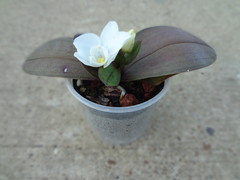
    I shared this photo of one of my confused mini phals in a group on facebook, and someone suggested that it did this because it probably received very bright sunlight. They even commented on it having unusually red leaves, which have gotten even more red since I took this photo because it's been in this direct Autumn sunlight.

  • 7 years ago

    Conditioning plants to full sun is a given, not many of them could make a sudden transition from shade to full sun without some severe reaction. But for long term full sun exposure situations latitude and temperature/relative humidity are very important factors. Here the sun is to the north for 8 months of the year and to the south for 4 months, which gives two periods when the sun is directly overhead (most intense). I won't put my 'survivor Phals' into direct sun because of its intensity and the low humidity, especially this time of year. If they make it through to the wet season I'll be happy enough.

  • 7 years ago

    As a general rule, any plant with do better with the most sunlight it can tolerate, so that's no surprise about the vigor in the stories above.

    I usually can get away with a couple of hours of early or late winter sunlight on mine.

Sponsored
River Mill Construction
Average rating: 5 out of 5 stars2 Reviews
Delaware County's Customer Focused General Contractor