Software
Houzz Logo Print
waneright

Sumac, Red? Yellow?

8 years ago
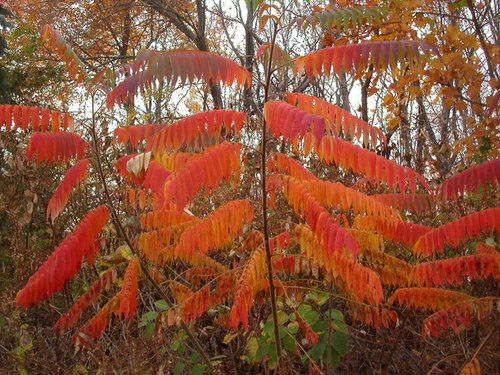
I have allowed two of these plants grow in my garden hoping that I can get some bright fall red leaves into my flora. Unfortunately, both turn a feeble yellow.


Is this a different variety? Can the be environmental?


They grow by the rail road tracks in back of a local restaurant. I have permission to did up some when they turn their brilliant red. Will they turn out to be yellow next year in my garden?


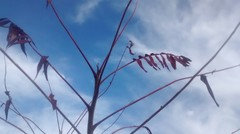
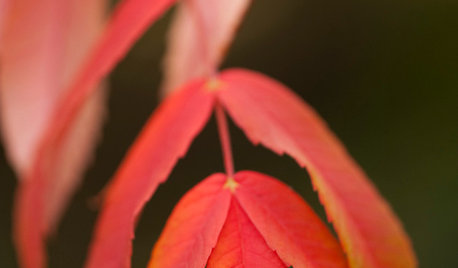
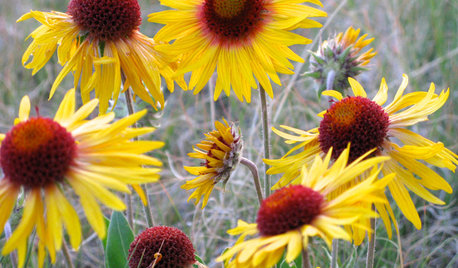
Here is a pic of it from a road side farm. It shows both red and yellow.

Whaz happenin?


Comments (22)

  • 8 years ago

    fall color is cyclical ... based on a multitude of stresses ... when did you plant yours.. how old ... how long since planting .. etc ...


    whats ambient weather been since spring.. drought.. excess rain.. etc ...


    also ... color can be extremely variable within short space ... even across a 5 or 10 acre lot ...


    here in my MI ... after severe drought most of the very hot summer ... trees are nearly skipping color.. and leaves are just turning brown and falling off ... it will be different next year ... im not worried about it ...


    ken


  • 8 years ago

    btw .. i like your idea of capturing the genetics of one that you prefer ... thats brilliant ... but.. based on what i suggested above ... it may take a few year.. to get established... settled in ... and be what it should be ...


    you can not change the genetics thru transplanting ...


    do you know how to move a plant.. and all that.. if not.. try a post in the shrub forum ... of which.. this is ....


    ken

  • 8 years ago

    Like Floral, I would like to see a photo of your plant along with a leaf and branch closeup.

    One thing I have noticed is that sun amount makes a large difference in autumn color development. How much of the day are yours in sun?

  • 8 years ago

    Like floral I too was wondering if you actually had Tree of Heaven, Ailanthus altissima, growing instead of a sumac. These are a highly invasive tree with leaves similar to sumac and have a yellow fall color as opposed to red.


    Rodney

  • 8 years ago

    Too much shade will also often reduce red & orange in favor of yellow.

  • 8 years ago
    last modified: 8 years ago

    UPDATE:

    After four (or more) years, it is now obvious that this tree will not ever have red leaves. They turn yellow then fall off. I am going to chop it out.


    Meanwhile, I saw the plants with red leaves near the railroad tracks in back of a local diner. I asked the manager if I could dig a few and she said "Go at it..."


    Not only did it have the correct red leaves but the newer bark had that familiar fur on it. The one in my yard does not. I extracted two of them, one about 4' tall and the other about 6'tall. They have shallow roots and will be set in place tomorrow.


    Unfortunately I do not have any pictures of all this.

  • 8 years ago

    Ailanthus does NOT turn red like that -- it is a sumac.

  • 8 years ago

    That’s true beng. But if you read the whole thread you’ll see the pic is not the OPs plant. It’s one which the OP thought was the same. Without photos of the actual plant in the OPs garden the id is still moot. But since it always goes yellow and lacks the stagshorn texture it’s very likely not sumac. A photo of the imposter would settle it.

  • 8 years ago

    What do you mean by "staghorn texture"? Is that the fuzz on the newer growth?

  • 8 years ago

    Rhus typhina is called Stagshorn Sumac because the velvety texture of the stems resembles the ‘velvet’ on a stag’s antlers.

    Still no photo. Has the plant already been destroyed?

  • 8 years ago
    last modified: 8 years ago

    No leaves left on the old one. No fuzz either. It will get chopped out soon.

    The new ones do have the fuzz and one has a few red leaves.

    Gotta wait a year to know for sure but I think it is right this time..

  • 8 years ago

    Well, if the yellow leaved tree is an Ailanthus as suspected then you are going to have to either dig the tree out or use a brush killer on the stump when you cut it. Ailanthus are tenacious and will resprout from untreated stumps and roots.


    Rodney

  • 8 years ago

    Even a shot of the bare twigs would probably be sufficient for id.

  • 8 years ago

    Jim Waneright, we would love to help you properly identify the tree with yellow foliage. However we need pictures of the twigs and possibly any leaflets lying below that tree.

    Ailanthus leaflets are distinct.

    https://oregonstate.edu/dept/ldplants/aial9.htm

  • 7 years ago

    I appreciate your interest but I am having a difficult time trying to get over there to take pictures. If I lived closer it would be easier. We plan to get the team over there for a winter prep and will try to remember to take pics.


  • 7 years ago

    I thought the plants were in your garden?

  • 7 years ago

    Yes, they are but at the moment, I am about 40 miles away from there. (:


  • 7 years ago

    When you are next there, Ailanthus has a fairly distinct smell that gets described somewhere between peanut butter and old socks. Perhaps lightly scratch a branch to see if it has noticeable smell.

  • 7 years ago

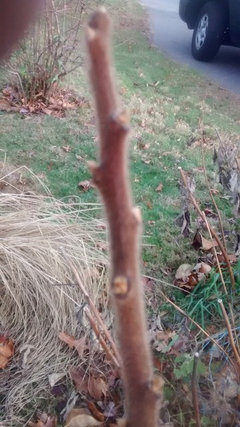
    The long awaited pics...

    These were just sent to me. They are of the plant going in. Fuzz and definitely red leaves.

    No report on the stinky socks peanut butter.


  • 7 years ago

    My autumn favorite Rhus typhina -- there is no mistaking their twigs.

  • 7 years ago

    I think we were already pretty clear that the red leaved fuzzy ones were Rhus typhina. As are the ones pictured in your first post. It’s the non fuzzy yellow leaved look-alike plants you mentioned in your very first post which would smell of pnb.... if they’re Ailanthus as we suspect.

Sponsored
Kuhns Contracting, Inc.
Average rating: 5 out of 5 stars26 Reviews
Central Ohio's Trusted Home Remodeler Specializing in Kitchens & Baths