Software
Houzz Logo Print
pteroceltis4

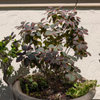
Rhododendron maximum pot culture

7 years ago

I was fortunate to be given two seedlings from a close friend recently. They are, however, quite small- only about 4-5" tall. I'd like to take a few years to grow these plants up to a larger size before I plant them out. Does anyone have advice on the best way to culture these seedlings in pots to get them up to size? Looking for advice on potting medium, moisture and fertiizer regimen, light exposure, etc. Many folks have told me that this species is quite fussy, so can anyone give me some advice on these?


PS- I'm an experienced biologist familiar with horticultural techniques, but not this particular species. Any help specific to R. maximum and/or closely related species is what I'm looking for. Thanks in advance!

Comments (14)

  • 7 years ago

    a little more info.. would be a good place to start ...


    where are you.. is it winter.. are these indoors ... if so .... whats the plants current culture ... lights.. etc ....


    or.. do you have a greenhouse ... etc ...


    what are they currently potted in .... what type of media ... can you dissect it in the sense of understanding what is in the pot .;... and ergo.. replicate it ....


    are they blooming??? .... dormant???


    i hate to lead you down one road.. only to be told its the wrong road .. lol ...


    a pic might be worth a hundred words ...


    ken


  • 7 years ago

    Hi Ken, it's been a long time since I've posted here and I'm glad to see that you're still around. I'm in 5b/6a of the Finger Lakes in upstate New York. The plants are from a 5b population in northern WV, so in terms of hardiness they come from a solid provenance.

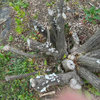
    As for their current situation, they are in a Miracle-gro indoor mix blended with peat moss (50/50). The seedlings were plucked off of a decaying log with most of their root systems intact in early autumn. I have them overwintering in a sheltered spot next to the back deck of a house, where they get a few hours of sunlight a day and currently look great. The pots are healed into a mulch pile so I'm not worried about the roots getting too cold in their current pots. I'd like to move them into bigger pots in the spring and keep them for a few years until they are a few feet tall. What's the best way to get these up to size without overfertilizing or making them otherwise unhappy?

  • 7 years ago

    Get away from the Miracle Gro and peat moss!! Rhodies want very good drainage so I'd switch to a bark-based media - that's what local growers and breeders use.

    You can fertilize infrequently (2-3x a season) with a fully water soluble acidic formulation or use a single app controlled release in early spring (I use Osmocote).

  • 7 years ago

    I'd like to move them into bigger pots in the spring and keep them for a few years until they are a few feet tall. What's the best way to get these up to size without overfertilizing


    ==>>>


    great .. timing is key .. and i am glad you are thinking late spring ... NOT right now ...


    gal and i debate .. never argue.. lol ... over time release in pots ... in my z5MI... ive killed a lot of pots with it ... and suggest its just easier to avoid it ... its not like you have a thousand pots.. and dont care if you lose 10% ... so just use.. imo... a general water sol fert ... diluted to at least half ... and just give it a shot of it twice in summer.. and stop by late summer ... you want it going dormant in fall.. not all juiced up and growing in late fall .. [a month after transplant ... and maybe again 6 weeks later ...]


    and in that regard,,, think in tree or shrub time .. you cant go forcing this type of plant.. like you might do to an annual or perennial.. just be patient .... let it mostly do its own thing ... i usually sum this up by saying... dont try to kill it with too much love ... yes.. professionals do all kinds of things.. we cant or shouldnt .. unless you dont mind that loss ratio mentioned above....


    is there any reason you cant plant it in mother earth.. and just forget about pots??? .... perfecting pot growing is not simple ... so why mess with it.. with your precious two plants ... or in the alternative ... plant one.. and pot one .. cut the odds .. eh???


    in mother earth.. just build some protection around it for vermin ... and let her take care of it ... and avoid the pot risks ...


    i would repot it .. as soon as it thaws out.. as many weeks as possible before spring flush ... lets get it settled down before it has to support new leaves .... same with planting ... when the soil thaws.. presuming its frozen solid.. early april ... bare root it.. and plant it in native soil ... and chicken wire it or some such ....


    i thought i recognized the name.. welcome back ... wish i could say i found something better to do .. but heck. i enjoy it ... for the most part.. lol ...


    ken


    BTW: i would put pots in full bright shade .. and never in sun ... and as to watering.. i would tend toward dry... water.. let it run out the bottom .. check weight.. and dont water again until its light again ... after proper watering for the repotting ... of course .... [pre moisten media before repotting.. and then water the plant in.. and leave it alone until its near dry.. and in our clime.. in shade. .. that might be a couple months in april and may .... there simply isnt the ambient heat to dry out a pot.. so over watering is possible ]


  • 7 years ago

    If you are killing plants using a CRF, you are just not using it correctly. Period!!

    This discussion is really only valid if those contributing have a lot of experience growing plants in containers and specifically rhodies. Care to weigh in on that, ken???

  • 7 years ago

    I grow many species Rhododendrons in pots in PNW. My to go mix is based on Rhododendron Species Botanical Garden recipe for growing R. species in raised beds: 2/3 coarse sand mixed with 1/3 medium bark, no soil. I use pumice instead of coarse sand and I do occasionally use a bit of light potting soil for those species that like it a bit more moist as the above mix drains very fast. With this being said, I've lost my R. maximum last summer due to drought. I have so many potted plants this one somehow escaped my attention for a few very warm days and the plant sulked.


  • 7 years ago

    I will second the question as to why you are planning to keep them in pots. I find that even small Rhododendron starts, including maximum, do fine planted out as long as they aren’t placed in a spot with a lot of competition.

  • 7 years ago

    Thanks for all of the advice, folks. I know that the current growth medium is not adequate, so I appreciate the advice on that front. The reason I want to keep them containerized is because they are very small (4-5") and will almost certainly succumb to competition. I live two hours away from the site of my collection, which means I can only maintain it intermittently. Another issue is that the local wildlife is very enthusiastic about destroying new additions to their playground. I had a 2' M. grandiflora 'Bracken's Brown Beauty' that was basically a glorified stick with side branches RUBBED into oblivion by a buck. I've never seen them go after anything so small. Apparently it found the evergreen foliage offensive. Other plants have been dug up by woodchucks right after planting. Unless the plants are a decent size, I really need to be there, which is currently not an option.

  • 7 years ago
    last modified: 7 years ago

    Pteroceltis4, deer LOVE rutting Magnolias (evergreen or deciduous); it's their smooth, soft bark that they like. They will not eat the leaves (unless STARVING to death in milder zones). I have herds of deer and lots of M. grandifloras and the trees actually out maneuver the deer due to the fact that the mature trees have heavy branches down to the level of the ground and the deer can't get near the main trunk; they do rut some of the lower branches, but these are usually re-foliated in the following growing season. This is why I NEVER limb up any of my trees (including the Dawn Redwoods which also have low branches). I agree though, the deer really seem to prefer NEW PLANTINGS to leave their mark! Almost everything I have planted in the ground has suffered its most damage in the first rutting season.

  • 7 years ago

    I mean, this was a tiny plant, the stem was more narrow than a finger (about 2' tall) and it had limbs to the ground for exactly the reason of discouraging future rubs. It looked like a little Christmas tree. Just bizarre. It did stand out like a sore thumb, it must have really made one mad!


    But, back to the rhody...I'm not confident that a small plant will survive. Nothing else around is evergreen and my best efforts might not be able to protect it from the overpopulated marauding bands of deer, not to mention other critters...

  • 7 years ago

    Deer tastes ARE REGIONAL to some degree. If there is nothing green, you will have more problems..., even with "deer resistant" plants. My deer completely ignore my rhododendrons.

  • 7 years ago

    Yep, I've seen them heavily browsed as well. I lived in WV for the past six years and have observed them throughout Appalachia. The largest ones I saw were actually in a bog in southwestern VA, but not where they would have overly wet feet. These were probably around 25' in height. The soils are quite variable at my site, which makes it such a great place to grow plants; the "top" of the property is a hill that is neutral to alkaline and limestone-derived, graduating to a wetland that is primarily sandy, alluvial, and quite acidic. We have some blueberries in that area. The R. max will be growing down there.

  • 7 years ago
    last modified: 7 years ago

    The substrate they were growing in when you collected them points to what their potting medium should be like.

    2/3 sand I would expect to be used for kinds like manzanitas and other dry-land species.

    When I worked in a commercial production operation many years ago where evergreen azaleas were being "sized up" in containers under plastic we potted them in bark and nothing else.

    The grower did use an injection system to fertilize while watering. Not that including sand in the mix would have provided adequate fertility either.