

rudimentary question
7 years ago
last modified: 7 years ago
Featured Answer
Sort by:Oldest
Comments (13)
 7 years ago
- 7 years ago
Related Professionals
Morgantown Landscape Architects & Landscape Designers · Pittsfield Landscape Architects & Landscape Designers · Amherstburg Landscape Architects & Landscape Designers · Vincennes Landscape Contractors · Stamford Landscape Contractors · Clarksburg Home Builders · Cedar Rapids Home Builders · Potsdam Home Builders · Plainfield Landscape Architects & Landscape Designers · Denver Landscape Contractors · Honolulu Landscape Contractors · Plainfield Accessory Dwelling Units · Lafayette Accessory Dwelling Units · Bozeman Accessory Dwelling Units · York Accessory Dwelling Units- 7 years ago
- 7 years agolast modified: 7 years ago
- 7 years agolast modified: 7 years ago
 7 years ago
 7 years ago
 7 years ago
- 7 years agolast modified: 7 years ago
- 7 years ago
- 7 years ago
- 7 years agolast modified: 7 years ago
Related Stories
WORKING WITH PROS8 Questions to Ask Yourself Before Meeting With Your Designer
Thinking in advance about how you use your space will get your first design consultation off to its best start
Full Story
REMODELING GUIDESSurvive Your Home Remodel: 11 Must-Ask Questions
Plan ahead to keep minor hassles from turning into major headaches during an extensive renovation
Full Story
DECORATING GUIDESA Handy Guide to English Antiques
Buying and owning old furniture is more fun and interesting when you know a little history
Full Story
KITCHEN COUNTERTOPSKitchen Counters: Granite, Still a Go-to Surface Choice
Every slab of this natural stone is one of a kind — but there are things to watch for while you're admiring its unique beauty
Full Story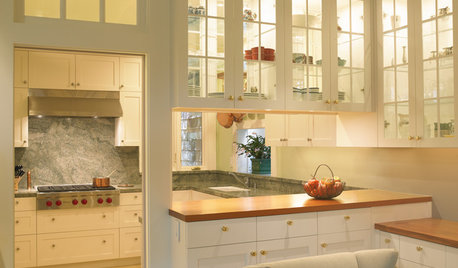
KITCHEN DESIGNHave Your Open Kitchen and Close It Off Too
Get the best of both worlds with a kitchen that can hide or be in plain sight, thanks to doors, curtains and savvy design
Full Story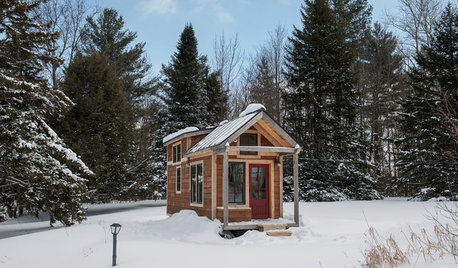
TINY HOUSESHouzz Tour: A Custom-Made Tiny House for Skiing and Hiking
Ethan Waldman quit his job, left his large house and spent $42,000 to build a 200-square-foot home that costs him $100 a month to live in
Full Story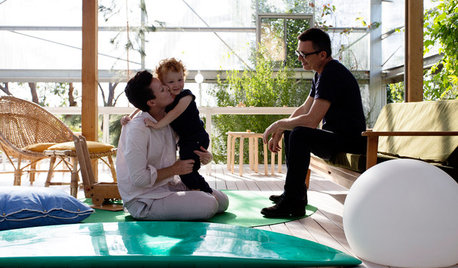
HOMES AROUND THE WORLDWorld of Design: A House That’s Barely There
A rural Australian home blurs the boundaries between indoors and outdoors, camping and permanence, privacy and transparency
Full Story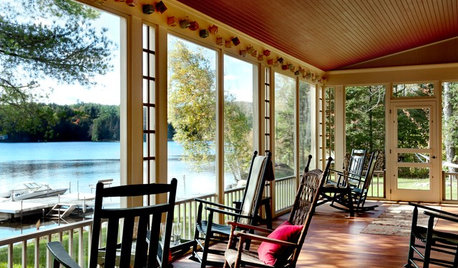
VACATION HOMESHouzz Tour: A Peaceful Lake House Rises From the Rubble
Crashing trees left this Vermont home uninhabitable, but a redesign made it better than ever
Full Story
LANDSCAPE DESIGNNew Ways to Design With Water
Go beyond 3-tiered fountains and faux waterfalls to discover water's architectural possibilities
Full Story
HOME TECHComing Soon: Turn Your Kitchen Counter Into a Touch Screen
Discover how touch projection technology might turn your tables and countertops into iPad-like devices — and sooner than you think
Full Story
Sponsored

mad_gallica (z5 Eastern NY)