

Animals and soil building
7 years ago
Featured Answer
Sort by:Oldest
Comments (8)
 7 years ago
- 7 years ago
Related Professionals
Lake City Landscape Architects & Landscape Designers · Springfield Landscape Architects & Landscape Designers · Chambersburg Landscape Architects & Landscape Designers · Minneapolis Landscape Architects & Landscape Designers · New York City Landscape Architects & Landscape Designers · Victoria Landscape Architects & Landscape Designers · Forrest City Landscape Contractors · Vidalia Landscape Contractors · Cambridge Landscape Contractors · Galveston Landscape Contractors · Brainerd Landscape Contractors · Ontario Landscape Contractors · Vancouver Landscape Contractors · Fayetteville Stone, Pavers & Concrete · Lima Stone, Pavers & Concrete 7 years ago
- 7 years ago
- 7 years ago
- 7 years ago
 7 years ago
Related Stories
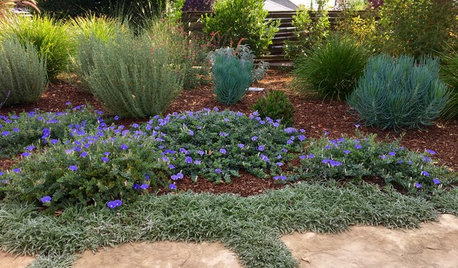
GARDENING GUIDESWhat to Do This Fall to Build Healthy Garden Soil
Take advantage of the cool season to improve soil texture and replenish nutrients
Full Story
CONTRACTOR TIPSBuilding Permits: What to Know About Green Building and Energy Codes
In Part 4 of our series examining the residential permit process, we review typical green building and energy code requirements
Full Story
HOUZZ TOURSMy Houzz: A Woodsy Home Welcomes Animals and Plants
An open-hearted couple builds a home in the forest that shows a love of the land and (almost) all of its inhabitants
Full Story
GARDENING AND LANDSCAPINGBuild a Raised Bed to Elevate Your Garden
A bounty of homegrown vegetables is easier than you think with a DIY raised garden bed to house just the right mix of soils
Full Story
ARCHITECTURE3 Home Design Solutions to Challenging Building Lots
You don't need to throw in the towel on an irregular homesite; today's designers are finding innovative ways to rise to the challenge
Full Story
GARDENING GUIDESInvite Cellophane Bees to Your Garden by Providing Patches of Bare Soil
Look for cellophane bees (Colletes) pollinating flowering trees and shrubs in U.S. gardens this spring
Full Story
GARDENING GUIDES10 Solutions for Soggy Soil
If a too-wet garden is raining on your parade, try these water-loving plants and other ideas for handling all of that H2O
Full Story
DECORATING GUIDESDouble Take: Disney-Inspired Details Animate a Pennsylvania Home
Spirited custom columns and furniture bring fairy tales to life for a family of 8
Full Story
DECORATING GUIDES7 Building Blocks for Creating a Dream Nursery
Put a focus on color, play, whimsy and more for an uplifting space that will grow with the baby
Full Story
GARDENING GUIDESGardening Solutions for Dry, Sandy Soils
Has your desert or beachy site withered your gardening creativity? Try these ideas for a beautiful, easy-care landscape
Full Story
glib2