Software
Houzz Logo Print
yvette_valero27

Plant Recommendations

7 years ago
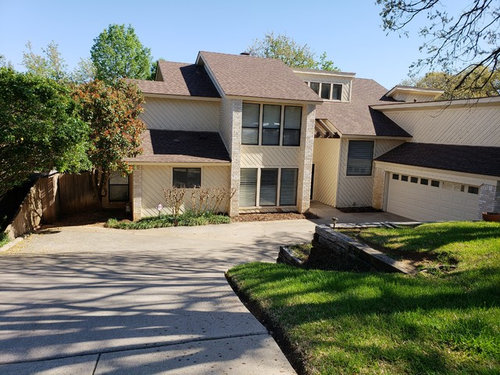
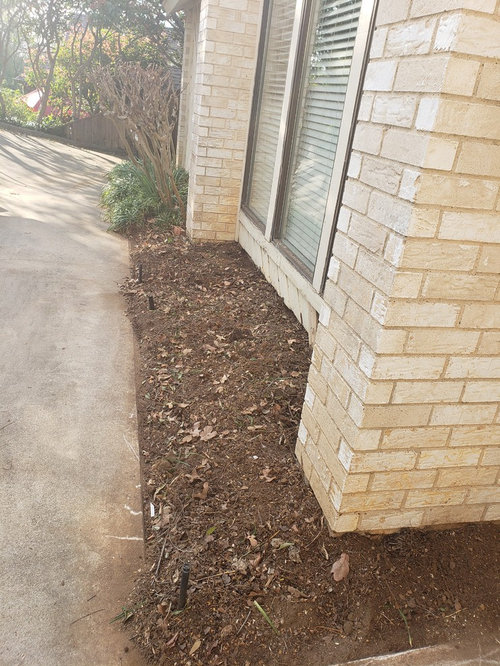
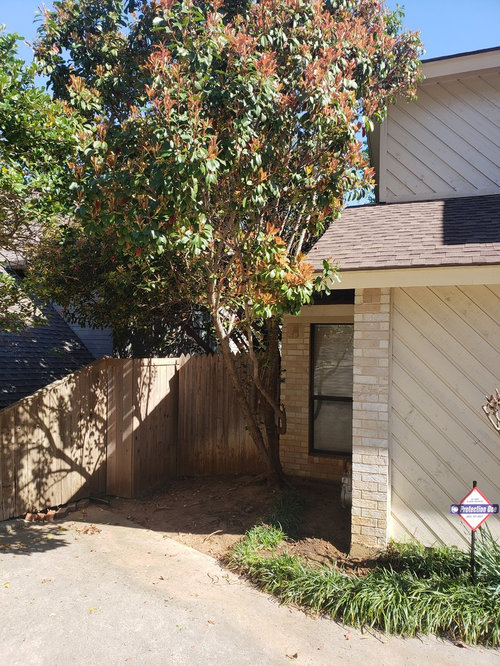
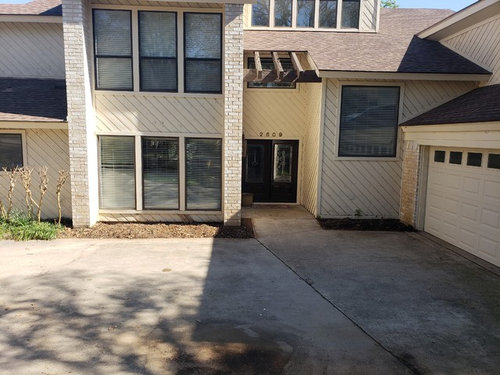
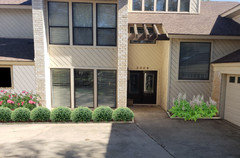
I have cleaned out the front bed and am needing suggestion on what to plant here. I am in zone 8a and this area gets full sun. I was thinking of adding some knockouts but unsure what else. The crepe myrtles and grassy ground cover will also be removed. The larger overgrown shrub/tree will likely also go.

Comments (10)

  • 7 years ago

    The crepe myrtles and the large shrub are examples of what happens when plants are set too close to a wall or fence. They lean away from the boundary. Pay attention to how large plants are expected to get. Remember that dwarf only means smaller than the species, and a dwarf version can still be quite large. There are, however, truly dwarf crepe myrtles with a number of Weeping Miniatures that grow up to 3 feet tall and wide.

    I have to ask how hot is it during summer where you live? I live in zone 8b, but last July and August had 17 and 23 days over 100ºF. The area you are asking about will be getting reflected heat off the concrete creating a microclimate of even higher temperatures. If your humidity is also high even heat tolerant plants can suffer. Lower humidity means night temperatures will fall more and give plants time to recover.

    Hesperaloe parviflora (Texas red yucca) has no sharp edges so it's OK to plant next to pathways. With evergreen, grass-like leaves it grows up to 3 ft high with the bloom spikes rising to 5 ft. It's hardy zones 5 to 10. Leucophyllum candidum (Violet Silverleaf) is naturally dwarf to only 3 ft tall and wide. It has similar purple bloom and grayish foliage to the taller growing Texas Sage. It's hardy through zone 8. Both of these are from dry climates and neither require fertilizing.

    There are a great many heat tolerant plants that are native to zone 9 and warmer, but are used as annuals in most of the state. However, the concrete that contributes to the summer heat can also protect plants by giving off the day's heat over night during winter. Dwarf Lantana cultivars, Cuphea, Angelonia, Pentas, and Cape Plumbago are tropical perennials. If these die down during winter, fill in with Pansies, Violas, and Snapdragons to bloom in early spring. Ask local plant nursery people for their opinions on the best plants for this area.

    Yvette V thanked mindshift
  • 7 years ago

    Red Vinca would look really nice there and fill in well. It loves full sun and is drought tolerant once established.

    Yvette V thanked B in 8a DFW
  • 7 years ago

    Thank so much for your replies. The house had at some point an amazing garden. The shrubs I removed were overgrown and hiding damage to the wood siding of the house. The crepe myrtles bloomed very poorly last year and I don't have the patience to nurse them for another year. I also dislike that they cover my kitchen window view. I would like to find a somewhat tall plant to go on either side of the kitchen window and then shorter shrubs or perennials for the rest of the area. I think I could dig up the clumps of Liriope and spread them out through the bed. I also plan on using mulch. I will google the suggested plants here.


    I am also working on the backyard. I have added 35+ old garden and David Austin roses and tons of perennials

  • 7 years ago

    I used to despise annuals for considering them not "real gardening", but lately I appreciate them more. Since the flowerbed is so close to the house I would plant it with seasonal annuals so it would always look good. Say, pansies, four-nerve daisies and snapdragons for the winter and vincas, blackfoot daisies and marigolds for the rest of the year. Annuals are inexpensive and easy to replace.


    Omar

  • 7 years ago

    Mindshift, it is indeed extremely hot here with the sun blaring down from the south most of the day and the slanted driveway reflecting even more heat. If I could plant a tree or more, I would!! I have thought of asking my neighbor to let me plant a tree in her property to help as well :)

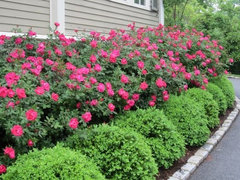
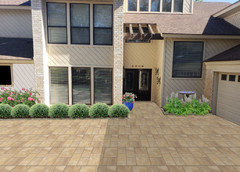
    Is it too naive to try and do something as in the picture? I was thinking boxwoods and some sort of miniature rose or perennial.

  • PRO
    7 years ago
    last modified: 7 years ago

    This is a good boxwood substitute in hot locations:

    https://www.greenleafnursery.com/index.cfm/fuseaction/plants.plantDetail/plant_id/2534/index.htm

    Dwarf Drift Roses will also work in your area:

    https://www.brighterblooms.com/collections/drift-roses


  • 7 years ago

    Can't tell how deep your flower bed is, but I have had experience with knockouts in a too-narrow bed, and they are a continuing maintenance project.

    I had muscles like Popeye from pruning those things.

  • 7 years ago
    last modified: 7 years ago

    Yep ... the downside to Knockouts is that they are very thorny ... and easily outgrow that space, necessitating nearly constant ... and prickly pruning.

    I like the cleanness of your look now, and would leave the ground-cover ... and perhaps duplicate it in the empty bed. There isn't a lot of room there for anything else.

    I'd suggest keeping the gardening in the back of the house. You can place urns in the front with (annual) plantings that are easily replaceable if they don't do well. And nice looking urns will compliment the front of your house ... even without plantings.

    My experience of landscaping over the last 20 years says ... don't over-complicate things. Plantings are much more difficult to maintain ... the you can imagine.

    If you feel that you must place something in the open spots, Japanese Spirea can be an option. I've got them in from of my house ... and they are small enough ... and easily pruned back each year.

  • 7 years ago

    Yvette, you simply do not have enough space for two rows of plants. I'm guessing, of course, but it looks like maybe 2 ft depth to these beds. That's why I recommended what I did.

Sponsored
AIS Renovations
Average rating: 4.5 out of 5 stars15 Reviews
Custom Craftsmanship & Construction Solutions in Franklin County, Ohio