

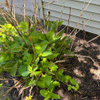
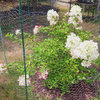
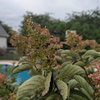
Oakleaf H. -- slow sparse growth
7 years ago
last modified: 7 years ago
Sort by:Oldest
Comments (4)
Related Stories

GARDENING GUIDESGarden Myths to Debunk as You Dig This Fall and Rest Over Winter
Termites hate wood mulch, don’t amend soil for trees, avoid gravel in planters — and more nuggets of garden wisdom
Full Story
LANDSCAPE DESIGNThe 7 Best Plant Types for Creating Privacy and How to Use Them
Follow these tips for using different kinds of plants as living privacy screens
Full Story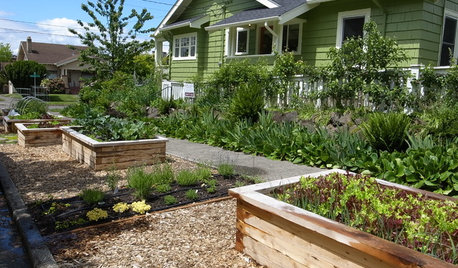
BEFORE AND AFTERSSee 6 Yards Transformed by Losing Their Lawns
Wondering whether a turf lawn is the best use of your outdoor space? These homeowners did, and they found creative alternatives
Full Story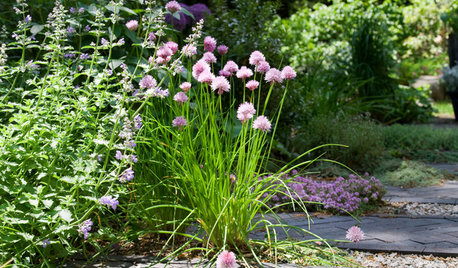
EDIBLE GARDENS8 Surefire Vegetables and Herbs for Beginning Gardeners
Learn the edible plants that are popular and easy to grow in a backyard or container garden
Full Story
HOUSEPLANTSHow to Keep Your Gift Plants Happy After the Holidays
Yes, you can keep your poinsettia, amaryllis, cyclamen and other gift plants alive and blooming for holidays to come
Full Story
FALL GARDENINGWhy Fall Is the Best Time for Planting
Spring is overrated for planting. Starting plants in autumn has advantages for both garden and gardener
Full Story
FRONT YARD IDEASBefore and After: Front Lawn to Prairie Garden
How they did it: Homeowners create a plan, stick to it and keep the neighbors (and wildlife) in mind
Full Story
MOST POPULARSo You Say: 30 Design Mistakes You Should Never Make
Drop the paint can, step away from the brick and read this remodeling advice from people who’ve been there
Full Story
gardengal48 (PNW Z8/9)
luis_pr
Related Professionals
Dayton Landscape Architects & Landscape Designers · Georgetown Landscape Architects & Landscape Designers · Fall River Landscape Architects & Landscape Designers · Albany Landscape Architects & Landscape Designers · San Diego Landscape Architects & Landscape Designers · Shreveport Landscape Contractors · Cambridge Landscape Contractors · Yakima Landscape Contractors · Florence Design-Build Firms · Washington Design-Build Firms · Kissimmee Design-Build Firms · Belleville Design-Build Firms · Tulsa Design-Build Firms · Yuba City Design-Build Firms · Bend Design-Build Firmsgardengal48 (PNW Z8/9)
luis_pr