Software
Houzz Logo Print
jess_barrett55

Hydrangea Help?

7 years ago
last modified: 7 years ago
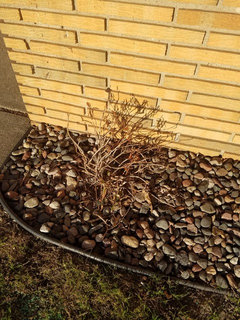
Hello All, apparently, I'm a terrible gardener and can't get anything to grow right and I'm hoping you wonderful folk that have helped me in the past can help again. I have two hydrangeas that I just can't seem to get to grow. One is a pinky winky an the other is a twist and shout. They don't seem to ever flower or really even grow other than showing maybe some new buds here and there. The pinky winky i planted about 6 years ago and the twist and shout maybe two.

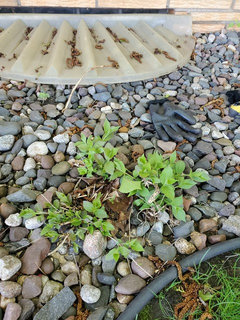
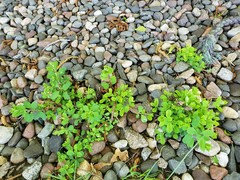
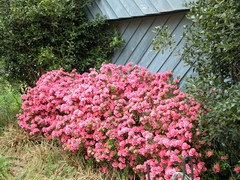
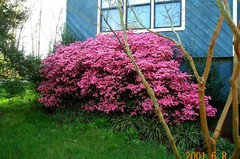
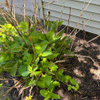
I also have a pink flowering almond that doesn't seem to flower like it should and this other plant I'm not even sure what it is lol, I've added a pic.

Any advice for any of these would be greatly appreciated :)


Comments (17)

  • 7 years ago

    Third picture, wouldn't let me attach in main message

  • 7 years ago
    last modified: 7 years ago
    My advice:

    1. Get rid of the rocks and replace with regular mulch. My educated guess is they are cooking the plant's root system.
    2. The first picture is a macrophylla type Hydrangea. They are shade loving plants. They generally like morning sun and afternoon/evening shade. Depending on your climate, they can tolerate more sun the further you are away from the equator. For example, if planted in full sun in Texas, it will probably not survive. Full Sun let's say in Massachusetts, will generally be fine as long as it gets watered regularly.
    3. As an FYI, Hydrageas are very thirsty shrubs and require regular watering.


    Questions:

    1. What is your climate (where do you live)
    2. How many hours of sun does picture 1, 2 and 3 receive? Also specify the time frame of when it receives the sun
    3. Do you water them at all?


    A 6 year old Pinky Winky you say.... Should be a fairly large shrub by now (several feet tall at least) even if you bought it as a tiny plant. I got a Pinky Winky last year and was roughly 4 feet tall and wide at the time of purchase. I think it grew a half a foot, maybe a little more between May and Sept. Something is seriously stunting the growth..... Rocks are highly suspicious.....

  • 7 years ago
    last modified: 7 years ago

    Hello, Jess. Yes, I agree with the others.

    Hydrangeas do not perform well with rock mulch. When Summer arrives, the rocks absorb the heat during the warm days and then release it at night just as the hydrangea roots are supposed to get respite from the heat. As a result, they lack enough moisture and are subject to inconsistent watering so many of the leaves yellow out and brown out. So yes, replace the rocks with hardwood mulch, other mulches or pine straw. You could also use hay/straw as long as it has been composted to kill weeds.

    Nearby walls can reflect the sun back so western or southern walls can also be hot places for hydrangeas.

    Gutters are supposed to drain water from the roof of the house to areas away from the house. In picture 1, water may be collecting in the area where the hydrangea is. Review what actually happens after a storm passes by. If water is pooling in there and does not drain quickly, take action to correct the problem.

    My pink flowering almond blooms early and does not require as much water as the hydrangeas. They are usually for Zones 4-8 (more or less)... not sure where you are or what your zone is. It does not like saturated conditions though. I had mine in afternoon/evening shade as the sun is quite intense here in the Summer. If water from the gutters drains where the pink flowering almond is and does not drain off quickly (due to clay soil, for example) then that would make the shrub unhappy.

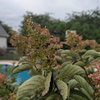
    Picture 1 may be the Twist & Shout. You can prune the dead wood (dead stems) if they do not leaf out by the end of May.

    No comments about pictures 2 and 3, as I am unsure which shrubs are in the pictures.

    In case you are pruning... There is no need to prune hydrangeas if planted in an area where they can attain their estimated size at maturity. All the shrubs in the pics are too small to be needing any pruning except that to remove dead stems (stems that show no signs of leaf out) by the end of May.

    T&S may have issues in cold climates with blooms and may require winter protection. PW is a different type of hydrangea that does not winter protection in Zones 3 and warmer and whose flower buds develop in late Spring or Summer, depending on one's location. Inconsistent watering, pruning in very late Spring or in the Summer (when the paniculata flower buds develop) and the use of rocks for mulch can cause spindly growth and no bloomage.

    Luis

  • 7 years ago

    Hello everyone, thanks so much for the advice. Unfortunately it sounds like I have a lot going against me here and have picked some terrible plants for the spots I've planted :(


    Picture 1 is the Twist and Shout Hydrangea.

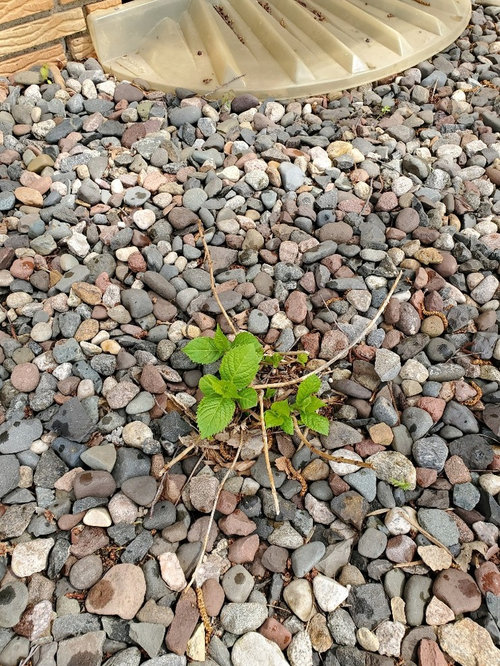
    Picture 2 is the Pinky Winky Hydrangea

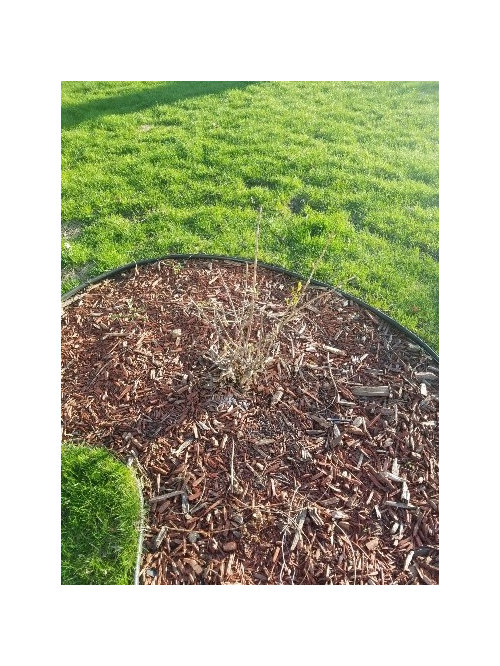
    Picture 3 I'm not sure what it is.


    All 3 plants are located on the west side of my house and probably get part sun as they are relatively covered by trees...so some midday sun and then again later in the day.


    I'm located in zone 4 in Minneapolis.


    I have thought about swapping out the rock for mulch but we have issues with flooding in our front yard and our front yard slopes towards our house so that mulch would end up all over the yard and I'd spend days cleaning it up like I have other areas where I have mulch.


    I feel like I water them decently but what would be the recommendation for watering for how often and how much?


    I believe alot of our issue come from our crappy clay soil, is there anything we can do to help getting the soil to drain better now, after the plantings have been done?

  • 7 years ago

    Hmmmm.... Some ideas:

    1. Get rid of the rocks for starters if you really want Hydrangeas.
    2. amend your soil to make it less clay like (Google/YouTube how to make clay soil drain better). Not familiar with clay soil since where I live we don't have that kind of soil. I'm guessing you're going to need to add a ton of compost, peat moss and some finely chopped up hay/mulch to prevent it from compacting down.
    3. Last summer was my first year with Hydrangeas. I watered daily unless we got a good soaking rain. As the shrubs grow, you can water less. This summer I'm planning on watering every other day or every two days. Going to experiment to see what I can get away with.
  • 7 years ago

    Ya know the more I look around my yard I can't get any plants to grow, even plants that were already planted when we moved in...I really don't want to pull everything out and start completely over :(

  • 7 years ago

    Twist and Shout is a macrophylla hydrangea. In cold climates like yours, they are often killed to the ground in winter and then sprout from the roots in spring. Picture #1 shows this pattern. These produce flowers on old wood and since the old wood is being killed in winter, no flowers will appear.

  • 7 years ago

    Jess, you don't necessarily need to remove all the rocks from the planting area. Just replace the rocks around the plants with mulch. I would do a 3-4 ft in diameter circle to start with. This will help keep the root zone cool, and will hopefully not cause you too much work (now or later).

  • 7 years ago

    If you have drainage issues as you say, that could very well account for slow or retarded growth. What is your soil texture like? Have you ever done a perc test?

    And Twist and Shout is a remontant or new and old wood bloomer so once fully established, even dying back to the ground in winter should not affect flowering.

  • 7 years ago

    I'd test your soil to see exactly what it's made of before going crazy with soil amendments:


    https://support.rachio.com/hc/en-us/articles/115010542588-What-type-of-soil-do-I-have-


    Go to the Mason Jar test section.

  • 7 years ago
    last modified: 7 years ago

    Take a walk in your neighborhood. It is likely that their soil is similar to the soil in your garden. Is anyone successfully growing hydrangeas? Is there a beautiful garden with lots of stuff? Gardeners are friendly and helpful to newbies. We all try to share our knowledge and even plants. Who put all those rocks in the garden? But, without water nothing will grow successfully. The easiest perk test is to dig a hole and fill it with water and watch to see how long it takes to empty out. If it is real fast, then you have drainage but perhaps too fast and you will have to adjust the soil. Note the time so when you look up the problem or take the numbers to a good nursery - you will have some real numbers to talk about. If the water stays in the hole for an hour or more, then you have a different problem. Water your plants as you usually do and then dig down near the plant and see if the soil is damp. If you are using a sprinkler in ground system, then do the above and adjust the timer. Don't fertilize until the other issues are solved.

    How did you plant your hydrangeas - did you add anything to the hole? When you plant hydrangeas or any other plant, don't fill the hole with foreign soil. Break up the native soil, and use that to back fill the hole. I would dig up these plants and look at the roots. If they are super dry, dunk them in a bucket of water for a couple of hours, run water in the hole several times and let it drain and then use the same soil to back fill and plant again - as Louis says - about - 1 to 1/2 inch or so higher than the level of the soil in the rest of the bed. Get yourself a good gardening book - that talks specifically about your location and read! Google and UTube are full of misinformation!!! Used books are great and a book that is used or out of date will still work. But your best resource will be neighbors with flourishing gardens.

  • 7 years ago
    You never plant that close to the house or under the eaves. Nothing should be planted within 3-4 feet of the foundation.
  • 7 years ago
    last modified: 7 years ago


    Thanks everyone for the good info. I have not done a perc test but will plan on doing one. how big does the hole need to be? I purchased a soil PH/mositure meter and it shows that our soil is very alkaline. From what I read that could also be contributing to the Hydrangeas not growing maybe? Someone had asked what our soil texture is like and I believe the answer would be clayish like previously mentioned.

    When we planted, we basically just dug out the previous plants that were there and replanted, basically back-filling with the soil that was there, maybe adding a bit of potting soil that was purchased but not much. Here are the other plants that were here when I purchased about 10 years ago and never really seem to grow either.

    I'll try to start paying attention to what others are growing in my neighborhood, the problem is that I probably won't know what plants I'm looking at lol. All I know is I'm in some dire need of some curb appeal.

  • 7 years ago

    Jess, please take bellburgmaggie's comment with a grain of salt. I have planted many plants closer with no issues and that was even after being in my old house for more than 35 years! I am sure this will get comments - but be cautious of the words, never, always and don't ever! lol There are very few absolute rules in gardening - it depends on the plant, location and many other factors. If you don't know what you are looking at, take pictures and look them up in a book. Remember those? lol Also walk on the weekends and ask your neighbors what is growing in their garden. If needed, you can post the photos and ask in the various forums.

  • 7 years ago

    Shrubs and trees planted close to a house may be a bit of a maintenance issue but there are no rules against it either. Our last home we had Coral Bell Azaleas within 3 feet of the house plus two big Burford Hollies that the builder put in very close to the house. Every few years we had to cut them back hard to paint the house but within 3 years they were huge again.


    The hollies dwarfed the cut or young coral bell azaleas in this photo. No dates saved due to very old first digital camera. Hollies are right up against the house making painting impossible.


    Another year the hollies are coming back after cutting to the ground but the azaleas are five to six feet high and had to be cut back to 18 inches the next time the house needed paint.


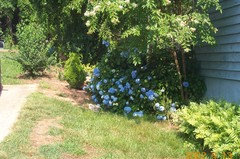
    The old blue hydrangea loved the corner of the deck where the downspout of the house drained. I had to cut the hydrangea back hard several times as well. The white Crepe Myrtle was a volunteer in the end bed along with the sensitive ferns (another volunteer).


  • 7 years ago

    Jess, just reviewed the photos and your comments and have another solution - much less work and will solve your problem. Get some large containers - at least 10 gal. or start out with 5's. they don't have to be beautiful - just big and make sure they have drainage holes. Then, fill them with decent potting soil - not organic (save your money). Don't add anything to the bottom of the pot - just soil from the top to the bottom. If it feels dry, soak it real good and make sure the water drains out the bottom of the container. Dig up your hydrangeas and shake off the old soil. Don't worry you won't hurt the plant at all. I bet the root ball is solid and dry.


    Put the plant into a bucket of water and leave there for several hours. Plant your hydrangeas - one to a container - and plant them so they are 1 to 1/2 inch above where they were in the ground. Firm the soil gently and water once again to settle the soil. Put the container on the rocks and water every other day or when the top 2 inches of soil feels dry. This is called the finger test and can work better than all the testing meters. Most home garden meters are not very reliable or tested and the finger method is what 90% or more of experienced gardeners use. If your pot has good drainage - you can't over water a hydrangea! Don't worry about fertilizer - it comes in the bagged soil. Let us know how they are doing in their new home.