Software
Houzz Logo Print
krista4230

Problem with engineered hardwood install

7 years ago
last modified: 7 years ago

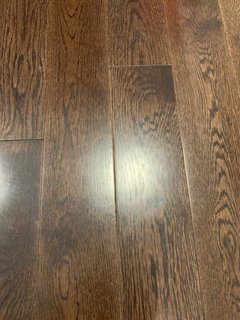
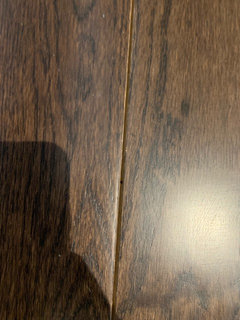
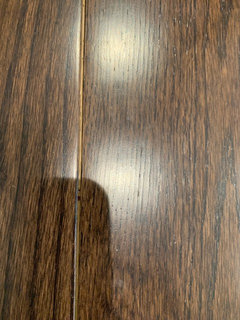
We had pre finished hardwood floor installed in our kitchen and it was a sloppy install. I am staring at the subfloor in several spots and all I picture is the food and other gross things that fall in between the seams. Is there any fix to fill seams after the fact or does floor need to be ripped up? Also... we have been through the winter and summer seasons and humidity levels were fine.


Comments (27)

  • 7 years ago

    If you are looking at subfloor you have issues. No one can tell you 100% what you need to do without possibly pictures. However you may want to prepare yourself for the inevitable.

  • PRO
    7 years ago

    Krista , do you own a hygrometer ?

  • 7 years ago

    No but my nest app says 47% humidity if that helps. Not sure if that is the same.

  • 7 years ago

    Was not letting me post pictures before

  • PRO
    7 years ago

    Yes that should be correct. Nest makes good quality tech. That is where it should be. How long was the flooring acclimated prior to installation? Is this Solid or Engineered floor?

  • 7 years ago

    It was Armstrong prefinished wood (said solid) but they did not need to sand or anything just my the boards.

  • PRO
    7 years ago

    How long was it acclimated prior to installation? How soon did these cracks show up?

  • PRO
    7 years ago

    Title says "engineered".

    You're NOT seeing the subfloor, you're seeing the tongue of a board. How big are the cracks? How many are there? If there's a few and they're small, they could probably be filled. What does the installer say?

  • 7 years ago

    To be honest maybe I didn’t notice right away until I saw one and then noticed the rest so I can say for sure and don’t know how long before they installed and had flooring here in environment.

  • PRO
    7 years ago

    Johnson Flooring Co Inc , lots of times homeowners will confuse "Engineered" with prefinished. Just double checking that fact due to acclimation being more important for Solid wood. Hope that makes sense.

  • 7 years ago

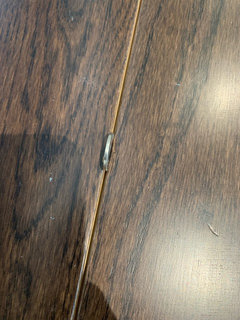
    In a bad few I can stick a nickel in it. Others I just see through and can see particles so food can go right down and I have a one year old. If spots can be filled that would be a relief because at this point I am mainly concerned with kitchen area in various spots. Contractor needs to get his guy out here but I think they were trying to say you get more seams with this type (ie prefinished) a while back.

  • 7 years ago

    Yes, I wish I could edit posting-It was prefinished flooring. Thank you!

  • 7 years ago

    Krista, you shouldn't be able to put a coin in there. Bad installation.

  • 7 years ago

    How long have the floors been in-place? When were they installed (fall? winter? spring? yesterday?)?


    The winter is considered the 'dry time' which means house hold humidity is usually quite low (furnaces and hot air dry out the home). The summer is the 'wet time' because humidity goes UP in the house (no more forced air = increase in humidity in the home).


    The TIME OF YEAR the floors were installed is very important to know. That tells us if the wood started out 'puffy' or if they started out 'shrunk'. The humidity in the home can be bumped up to 50% to see if you can get the wood to swell a bit more.


    But I'm concerned that the wood was 'puffy' when installed in your home (acclimation = how many days/weeks the boards sat INSIDE YOUR HOME before they were installed....how long were you tripping over the planks before they were installed?). And now that they have dried out a little they are now shrinking down to regular size.


    There are soooo many things that can be problematic with these floors that it is too hard to pin-point your issues. It could be install related...it could be climate related...it could be both.


    Please bring in your General Contractor to have a look at what has happened. Make sure you are fully aware of your home's HVAC's abilities (do you have whole-home humidity control??? aka Humidistat?) when you speak with the General Contractor.


    Make sure you find out ALL the steps that were done PRIOR to the floors being installed:

    What day/month were they installed? What day were the floors DELIVERED?

    How long where the floors IN THE HOME before they were installed?

    Was the HVAC on and running properly (humidity controlled?) before during and after install?

    Was the floor nailed/glued/stapled/cleated into place?

    What were the moisture readings of the subfloor before, during and after the install?

    What were the moisture readings of the floor planks (random readings of 10% of the planks) at time of deliver, before install, during and then after install?

    Where are the numbers that indicate ALL of these recordings? They should be on a sheet that the installer METICULOUSLY maintained and should be handed over to the homeowner. The readings belong to the homeowner who owns the floor.


    Whew! Lots of things to find out. But first things first: HOW OLD are your floors? What day/month were they installed on/in?

  • 7 years ago

    I don't think there should be gaps like that at all. Filling the gaps is probably not going to last and looks bad. If its floating they should be able to pop them up and install them properly.

  • 7 years ago

    Just to add Armstrong wood flooring gets some pretty negative reviews with issues like yours and splintering. I'd contact their warranty department.

  • PRO
    7 years ago

    So it's prefinished solid flooring. I see nothing in your pictures that show flaws in the wood itself, therefore it's a waste of time calling the manufacturer. This is an installation issue. I'd be inclined to monitor the size of each gap through seasonal changes and see if they grow or shrink.

  • PRO
    7 years ago

    Ok you need to post more info or its a waste of time


    when was floor installed and how long ago?


    were gaps there after they left?


    when did gaps occur?


    That said or asked, you cannot fill gaps end of story. You have a wood floor and wood moves creating uneven gaps. Depending on product and install the gaps can be minimized or contained.


    Considering its bothering you so much I doubt its how they first installed and its developed through seasons changing. You will NOT have a a GAP FREE floor like a click together cheap laminate floor. You WILL HAVE GAPS in a wood floor. Everyone has them and everyone deals with them, nothing will happen to your child.


    Once again we have an situation were people think that lower quality fake products have a better look. People see fake laminate with its dead accurate finish and zero gap look which to most looks cheap but to others is what they want. Wood will never have zero gaps you have the wrong product. You also might have the wrong product for your application. Without all the answers nobody can help but you also have to understand the above and realize wood floors will have gaps and movement. The larger the boards the more movement there will be.

  • 7 years ago

    following


  • 7 years ago

    Ok. Floors were installed September 2018. Hvac running and other work being done. We did not move in until December. To be honest I did not notice gaps but I was not looking hard enough for them and that is a lesson learned. Yes my child will be fine- my point was with all the food that gets thrown around it should not be going into and between the gaps like it is. Sometimes I scrape avocado out with business cards. Don’t want bugs lol. Can’t imagine if he got sick on the floor. We used Armstrong prefinished solid hardwood 5” planks

  • 7 years ago

    Krista, if you want to know what you're dealing with, you have got to answer the questions sj mcarthy asked. He is a true expert in this field and has helped many, many people in this forum. I'll copy his questions here for you:


    Please bring in your General Contractor to have a look at what has happened. Make sure you are fully aware of your home's HVAC's abilities (do you have whole-home humidity control??? aka Humidistat?) when you speak with the General Contractor.


    Make sure you find out ALL the steps that were done PRIOR to the floors being installed:

    What day/month were they installed? What day were the floors DELIVERED?

    How long where the floors IN THE HOME before they were installed?

    Was the HVAC on and running properly (humidity controlled?) before during and after install?

    Was the floor nailed/glued/stapled/cleated into place?

    What were the moisture readings of the subfloor before, during and after the install?

    What were the moisture readings of the floor planks (random readings of 10% of the planks) at time of deliver, before install, during and then after install?

    Where are the numbers that indicate ALL of these recordings? They should be on a sheet that the installer METICULOUSLY maintained and should be handed over to the homeowner. The readings belong to the homeowner who owns the floor.

  • 7 years ago

    Thanks. We will go through with contractor- we def did not get a sheet With all of the recordings. Hvac was running properly before, during and after. Thanks for repost.

  • 7 years ago
    last modified: 7 years ago

    The 'HVAC' system isn't just about 'running properly'. It is about HUMIDITY control at the time of the install AND humidity control throughout the winter (and the rest of the next 25 years).

    Do you have a whole-home humidifier/dehumidifier? That is the first place to look. It is super easy to find out. If you have the humidity control, aka humidistat, you will be able to raise/lower the humidity with a touch of a button. If you do not have that function on your control panel, then you don't have it.

  • 7 years ago

    All I see is the aprilaire 700m which I believe is fan—-no control.

  • 7 years ago

    OK...so the NEXT question becomes 'where are you located'? Are you in Arizona or Maine? Are you in a wet/humid climate or high-desert? How cold/dry does it get in winter time? How hot/humid does it get in summer time?


    It is *possible (we won't know for sure until you have the floors inspected by an NWFA Certified Inspector) the gapping you are showing is due to winter 'dryness'. But we won't know for sure for a while. It is entirely possible the wood was delivered to your home on a wet day after sitting in an UNCONTROLLED warehouse (damp/cool). And it is entirely possible the floor was not allowed to dry-out enough in the 'home environment' for the required 2-3 WEEKS (again we need to see the documentation of the day it was delivered and the day it was installed with all the moisture readings).


    Your installation happened at the END of the Fall season...which means it was moving from a damp season into a 'dry indoor season' that we call winter. And *IF the wood was 'puffy' (swollen due to moisture in the air) when installed, it simply shrank down to the 'right size' once it was in place. And that shrinkage happened AFTER it was installed instead of BEFORE it was installed.


    So...to get this dealt with you MUST CONTACT the 'installer'. If you are not getting any response, you will need to step up your game. An NWFA Certified Inspector is someone who is recognised by the industry AND the courts as an expert.


    www.nwfa.org


    The inspection costs can be a few hundred to several hundred dollars (depending on how much flooring is to be inspected and how many issues found during the inspection). S/he who pays for it owns the report.


    What this does, if you have your floor inspected, is give you a BIG STICK you can use to coerce the installer into fixing his/her mess. Once an NWFA Inspector has a report that points to 'installation error' then your installer INSTANTLY becomes liable for the fix...and they KNOW IT.


    It makes then sit up and take notice. You don't have to 'go to court' to get this fixed...you just have to have 'court ready' documentation in your hand.

  • PRO
    7 years ago
    last modified: 7 years ago

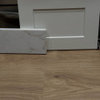
    The first picture looks like bad millwork. The surrounding boards are tight, except for one side on that single board. It can be a product issue. Measure the width of the boards in that area. If, it is all the same then it is a humidity issue. If, it is only that single board, then it is a product issue.

Sponsored
AIS Renovations
Average rating: 4.5 out of 5 stars15 Reviews
Custom Craftsmanship & Construction Solutions in Franklin County, Ohio