Software
Houzz Logo Print
jerijensunsetz24

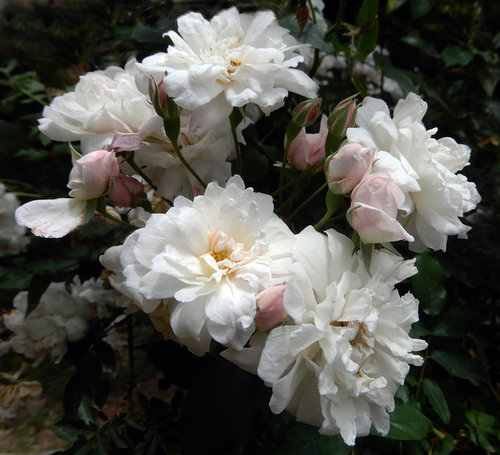
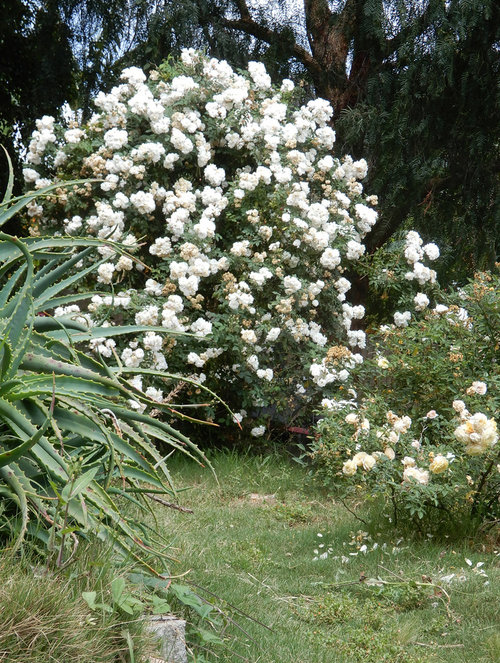
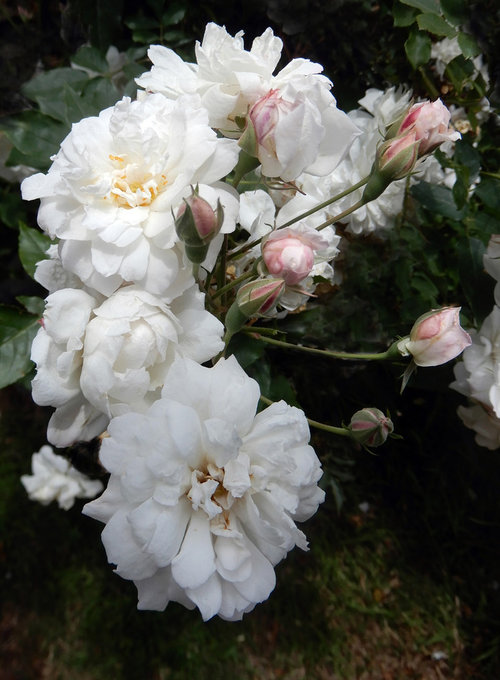
"Setzer Noisette"

7 years ago
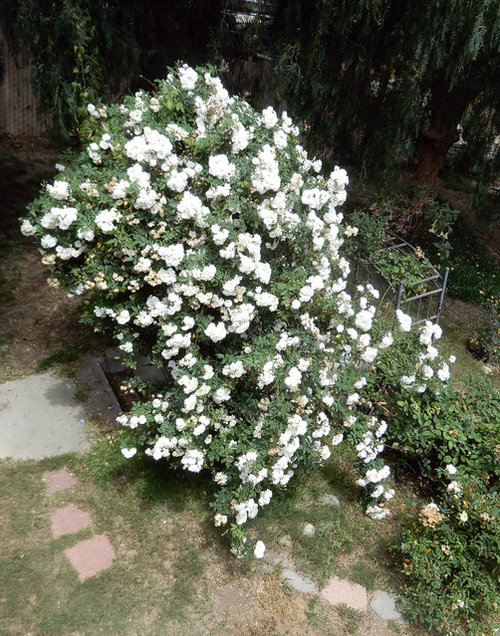
I think the late, great Joyce Demits would smile, if she could see this plant as it is today.


https://www.helpmefind.com/gardening/l.php?l=2.40998


Joyce told me that she got this rose from a man she met at an OGR meeting in Little Rock, AR. He told her its story, as he had been told it.


The rose was owned by a Setzer family, in Virginia . . . supposedly, from the 1700's (which is improbable). It went with family members as they migrated -- eventually to Arkansas where they shared it with the young man Joyce met.


Unlike most of the cluster-flowering Noisettes, this one grows very much as a pillar climber (which is as we grow it) and it has all of the other good qualities of that family of roses. As far as I know, it has not been DNA tested, but I'd bet money it's not virused.


Comments (12)

  • 7 years ago

    You know what's going to be funny? When these Noisettes turn out to be DNA clones of each other like all the pink Chinas.

  • 7 years ago

    It's a lovely rose. Mine never fulfilled its promise since I moved from the house where I planted it and the following philistine owners ripped out all my roses. It's wonderful to see it looking magnificent at your home, Jeri. I knew Joyce only from her little rose catalog, but her personality and love of roses shone through there.

  • 7 years ago

    Kim -- As I understand it -- all of the cluster-flowering Noisettes that were tested (most of them) ARE identical at the DNA level. They vary in details ... growth habit ... size ... but they are GENETICALLY identical. Tho this one was not tested, I assume that it, too, is a genetic twin. But it definitely differs in habit.

    Joyce told me that she thought there must be something else there, because of the habit -- and I can understand why she believed that, but I suspect it's not.


  • 7 years ago

    Those soft, scented petals require protection from the extreme heat and brilliant light. I couldn't grow them in Encino. The plants were beautiful, but the flowers fried as quickly as they opened. I won't try them here. The UV is too "hot".


  • 7 years ago

    Normally, I don't have that problem -- but when this little mini-heatwave hit last week, "Roseville Noisette" was in full bloom -- Hours later, they were all dry and crisp.

  • 7 years ago

    Yes ma'am, my world with those types of petals.

  • 7 years ago

    But, with shade, there aren't any real problems. (Other than, like all of the cluster-flowering Noisettes, it needs deadheading.)


  • 7 years ago

    Gorgeous Jeri! I’m excited that my band survived the winter here and has grown to about 12” and has a few buds - it will probably never truly climb for me but your pictures last year made me want to try it.

  • 7 years ago

    Thank you, Jeri, for these beautiful photos!

    I planted mine near a window, so we could enjoy the fragrance. Setzer just got a very thorough weeding and mulching, too...the fragrance is so lovely that I stayed nearby a little longer than the others. :-)

    In its second year, it’s now starting to climb. Super-healthy in N. FL.

  • 7 years ago

    Jeri and Roseseek, I think it's important to point out that they are not genetically identical; rather, the type of DNA analysis used was not specific enough to catch the small differences. But those differences (perhaps just one nucleotide) are certainly present.

  • 7 years ago

    Malcolm -- When you say "nucleotide", are you meaning just slight mutations? Or the possibility of a cross somewhere?

    The blooms are so alike, but the plant sure differs from other cluster-flowering Noisettes I've seen.

    I've always been intrigued by the story that the Setzer family had it in VA "since the 1700's" -- given that 'Champney's Pink Cluster' is circa 1811 -- and the rest of the family derives from that, yes?

0