Software
Houzz Logo Print
marcommom

Plants for Awkward/Difficult Spots?

7 years ago
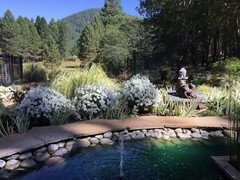
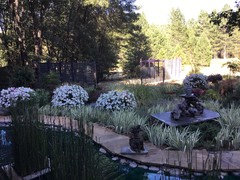
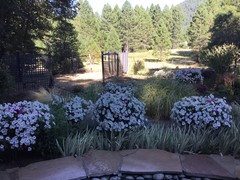
Hi there - I have been struggling with two garden spots for over 20 years! I've tried different plants and they've failed. I've had various gardeners come and plant things and they've failed. Or, they don't look good/aren't right for the spot. Wondering if the experts here could look at the photos and make recommendation for me to plant? The spots are just missing something.


We're in Zone 6 and I'll explain specifics for each spot:


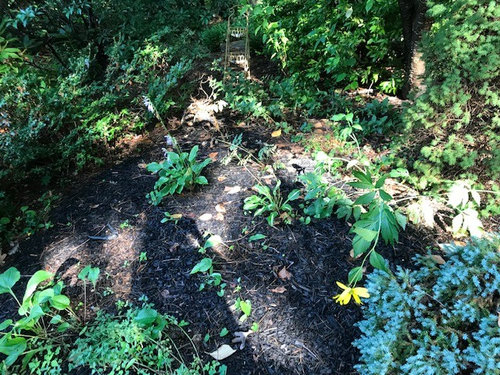
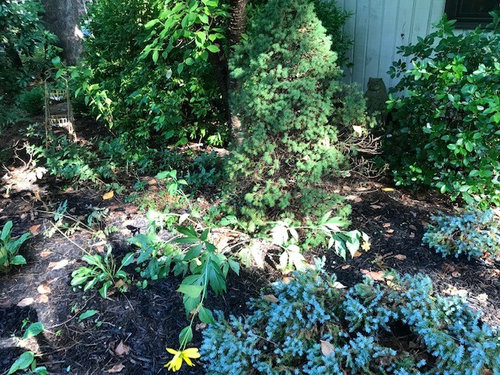
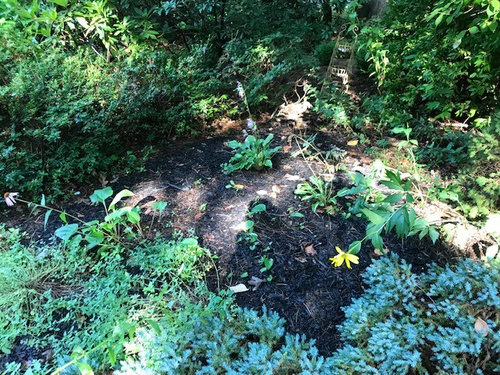
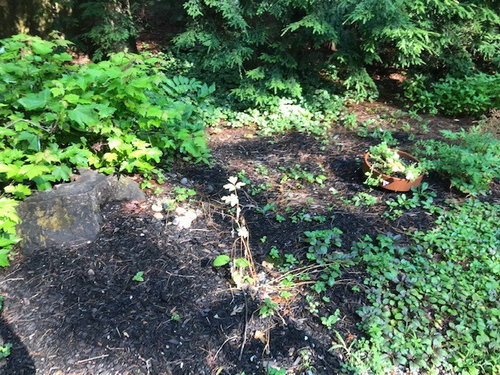
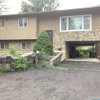
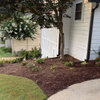
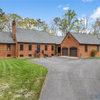
First set of pics (no clay pot in it) is south facing but part sun/shade. Front of house. Under a japanese cherry which is getting too large, so plan for it TBD (I hate to cut it down, hoping it can be pruned), and the nearby shrubs will be pruned too. Hosta are the only thing that is successful in this spot. Those are azaleas nearby.


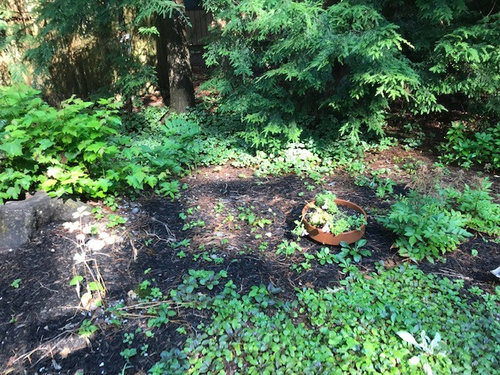
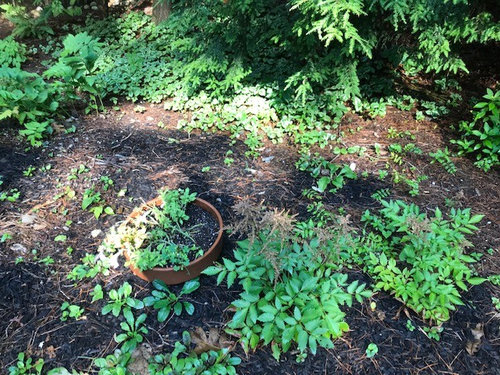
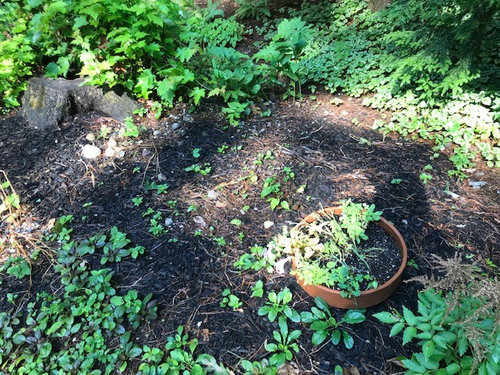
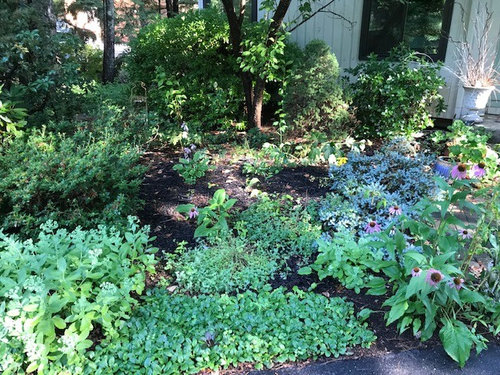
Second set of pics w clay pot - faces east, morning sun, light shade in afternoon. In springtime I have to beautiful bleeding hearts there, but by summer it looks awful so I slapped a lame pot in the spot this summer. The plants to the right are gooseneck loosestrife and they spread like crazy but are easy to pull out. The astilbe have done kind of okay, but how many can I plant?


Set 1: Problem spot right in the middle. Front of house. Catmint plants among those in foreground.


Set 2: Big tree stump at left with maple leaves regrowing. Remnants of bleeding hearts in foreground. So much ajuga.


I appreciate your help!

Comments (21)

  • 7 years ago

    Also wanted to mention that I'd love to put in plants that look best at different times - those bleeding hearts leave a big hole. Thank you.

  • 7 years ago

    Fantasy garden! Gorgeous!

  • 7 years ago

    Heucheras grow famously anywhere Hostas thrive and come in lots of bright leaf colors....

  • 7 years ago

    Don’t know if you just want something to be green and survive there ....but St Johns wart will grow any where...just have put in ground perimeter strips to stop roots spreading as they will take over ...they have little yellow flowers in spring...stay at 10-15 “ in height

  • 7 years ago

    You may also want to search out more Hosta varieties...love the huge ones and the different colored ones...ground covers are another option

  • 7 years ago

    Nice thick low ground covers accentuate the taller things

  • 7 years ago
    last modified: 7 years ago

    Cherry trees are difficult, but Geranium macrorrhizum is a very handsome groundcover geranium--semi evergreen, easy to control, vigorous but never aggressive, and needs no attention whatsoever.

  • 7 years ago

    I would add some epimediums. They are a tough plant. Good ground cover and drought tolerant.

  • 7 years ago

    marc, answers to the following questions might help. About what year was your home built?...and it appears that your two problem spots are located next to or very near exit garage, side or front doors? You may be dealing with a common, often unrecognized landscape problem. A few details, please.

  • 7 years ago

    St. John's wort is a sun plant I think.

  • 7 years ago

    St.johns wort thrives in all conditions sun to shade in our garden

  • 7 years ago

    @nandina Our house was built in 1978. The first three pics are indeed in the front garden. The next set of three are in a rear side garden near our deck. Thank you!

  • 7 years ago

    Your garden kind of reminds me of mine....don’t know how long or warm your summer is...but I began to place bigger size pots in the bare areas and filling them with colorful annuals for the summer...then surrounding them with a pretty bark ground cover for some contrast to all the green..if you enjoy the garden in the winter you can have some things in plain black plastic pots to drop in for the winter months when the annuals are done...

  • 7 years ago

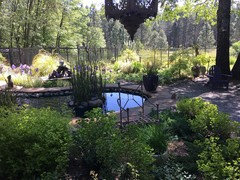
    Most years we do petunias for a pretty big show in the sunnier locations

  • 7 years ago

    This year we kinda over did it

  • 7 years ago

    Been pretty hot here

  • 7 years ago
    last modified: 7 years ago

    Marcommom,


    After I wrote this I reread your post more carefully. My thoughts seem kind of insulting now, considering how long you've been gardening and you do have pots....and my remarks on structure etc. But I'm going to let my reply stand cause others may have something to say in response. So if there's something helpful, I hope you can use it. If you been there and done it, excuse my lazy reading this evening!

    "Looking at your photos, I'm trying to figure out if you have any kind of a theme or design going on. It looks to be a typical mid summer garden. With no insult intended, frazzled around the edges and some exhausted greenery.

    I completely understand "dead spots" and black holes. Not that plants die there but nothing ever seems to work. Good plants and design ideas just fade.

    Eventually (over seasons/years) I figured out a couple of things. It was futile to find the perfect plant because rest of the setting was poorly planned. Too little structure or messy or too many soft textures. That impossible to fix spot signified a bigger problem

    Does this border have structure? Is it actually a border? Does it have good edges? Are there shrubs and trees that give it mass and interest year round?

    Second, I realized plants don't have to carry the entire garden. Big big pots on pedestals and big scale garden art create focal points that don't diminish or disappear as the seasons and weather changes.

    They don't have to be expensive. Homegoods, TJ Maxx, yard sales, end of season sales, holiday clearances are great sources. I found a big multi colored metal peacock that's currently holding my 'dead spot.' Where ever i put it Voila! a focal point. I found a painted metal sun about 3 feet across that spent a couple of seasons hung high in a tree. No one noticed there was nothing in the ground below it. These little investments cost less than the dozen perennials I tried over time and lasted a lot longer than any of them. And they were movable and brightened up other spots as needed.

    To summarize, take a cold hard look at the big picture. Work on the bones first: shrubs .trees, the curves, where things begin and end. Find a gorgeous pot (frost proof) and raise it above eye level and fill with some good annuals. Then take some time off to get that cobwebby spot out of your brain. You may find yourself inspired with fresh ideas and a vision of your own."

    Ick, writing like you're a babe in the woods. Sorry!

  • 7 years ago

    marc,

    You may be describing a mystery problem I have encountered many times which mostly involves garden beds planted near building exits. One day some 40 years ago I was measuring for a design when the answer to this mystery almost hit me in the face. New construction. Painters working inside. Suddenly one steps outside the back door opening and tosses a large bucket of paint thinner and whatever along side the house. Could this be a common practice during construction? Further observation and talking with painters indicated that this is the 'way we always do it'. This was the answer to those mystery 'spots' where nothing would grow. And the paints of yesteryear's contained even more destructive chemicals than today's. And sometimes sterile spots further from a building are caused by small fires the builders used to cleanup leftover burnables back before the new environmental laws.

    This may or may not be your problem. I suggest that you tackle two sterile spots, removing the soil to a depth of 2' and replacing with new plus compost if you have it. Replant those spot with annuals. You should have an answer within several months.

    And, to anyone dealing with new construction firmly insist that waste liquids be removed from the property and not tossed on the surrounds.


  • 7 years ago

    I agree with Nandina. I found a little "present" from some construction going on next to my office, in among my pots. They had buried a jar of paint thinner by putting it in a pot and then covering it up with other pots. I wondered why my potting shed smelled like paint thinner . . .

  • 7 years ago

    Thank you all for this informative and thought-provoking conversation!