Software
Houzz Logo Print
webuser_538444886

What's wrong with my desert rose plant?

7 years ago
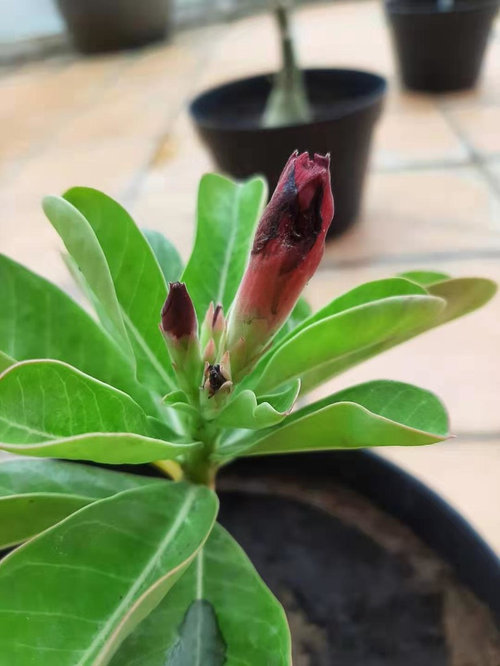
I got 7 desert rose plants about 2.5 months ago. They all now have something. I don't know. Leaf curls. some white stuff? (Might be rain residue/powdery mildew but I don't know which). Some spotty leaves. Some kind of... rot? on the flowers and buds. I've sprayed insecticide every few weeks or days. There used to be spidermites on them. Last time I sprayed them with insecticide was about a week ago. I don't know if that might not even be it. I'm in Indonesia. The temperature during the day is always around 30+ and I keep them in full sunlight. The soil is compost/black soil. I haven't gotten around to adding something more porous though I mean to soon. I water them every 1-2 days with half a cup of water direct to the soil around them mostly at night, sometimes early morning. Should I buy neem oil?


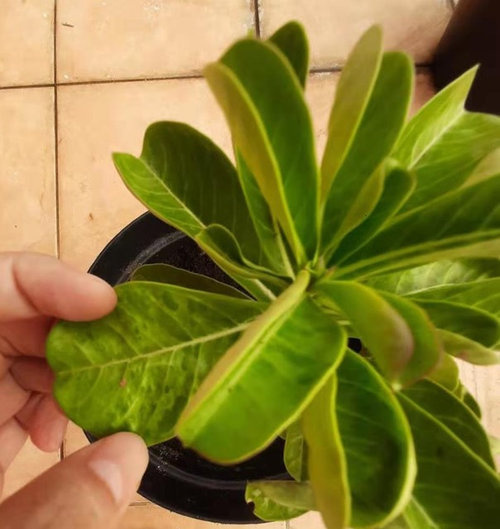
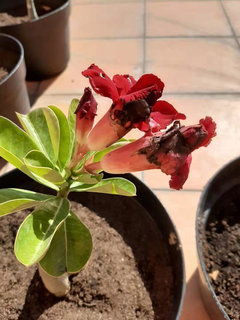
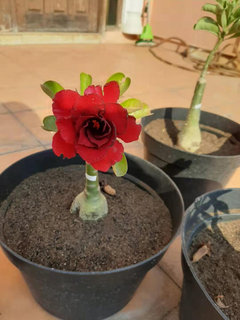
Plant 1 (Seller called this variety AC Milan)

There used to be some kinda hard resin on the surface of the blemish on the biggest bloom. Golden yellow in color with what looked like pollen in it?


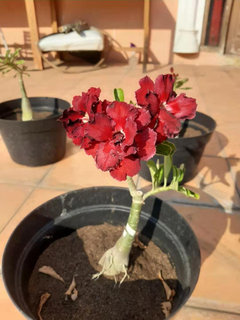
Plant 2 (Black)

Seems to a discoloration in the leaf. The rest aren't as bad. But I worry it's just the beginning of some kind of fungus infestation. I think the leaves are curled a bit? but it might just be the variety?


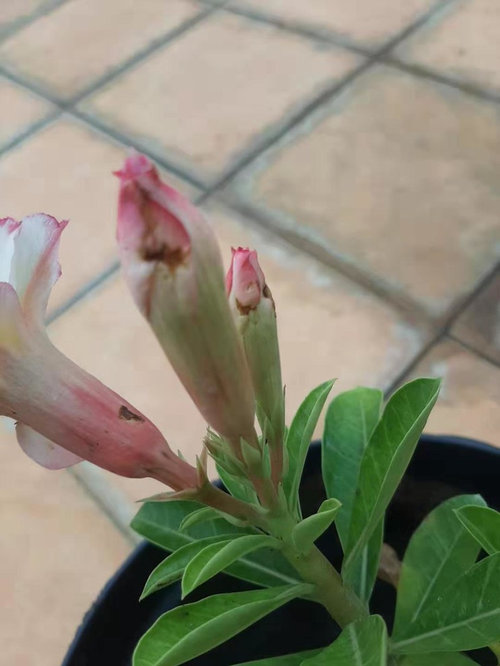
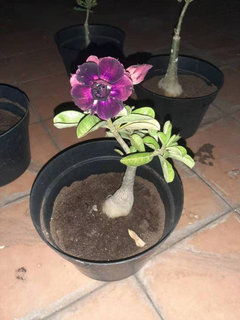
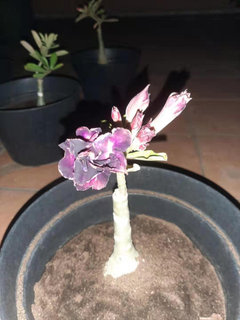
Plant 4 (Candik Ayu)

I'm worried about these blemishes on the blooms. They appeared about a day after the first flower bloomed fully.


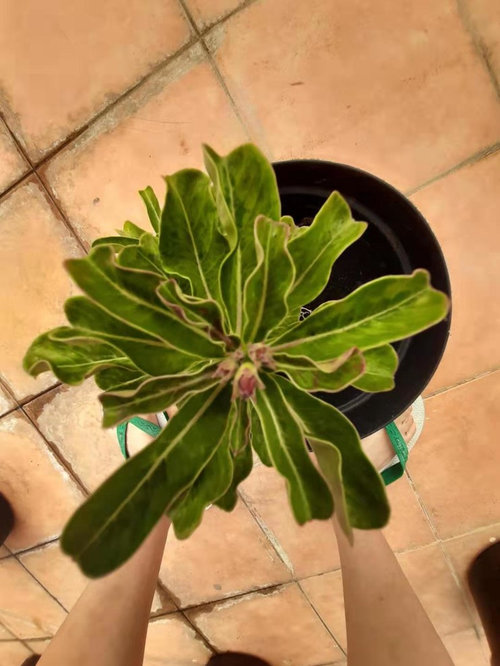
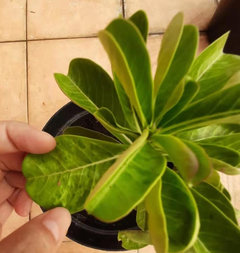
Plant 5 (Madeira)

This one is the one that seems smallest, leaves most curled, and the leaves are somewhat discolored.


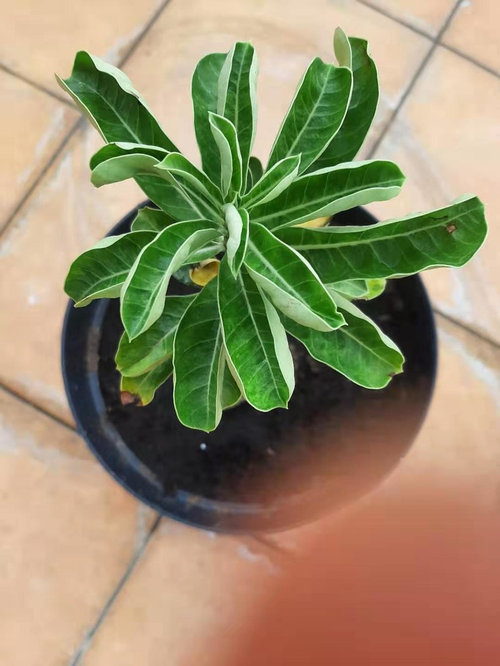
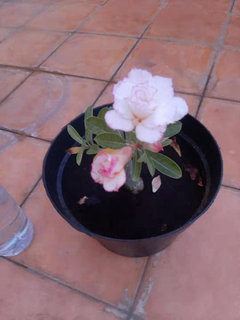
White rose

I'm worried about the leaf curl on this. Plus parts of it seem to be dying? There are 1-2 fully yellow leaves at the bottom


Well. I said I had 7 plants but the other two, while having some issues don't seem as bad off. Please tell me if you have any advice.

Comments (7)

  • 7 years ago

    My blooms seem to do this when the pot retains too much moisture.

  • 7 years ago


    Is this caused by overly moist soil too?

  • 7 years ago

    Hello. Thank you very much for your advice. That's sort of the conclusion I'd reached too. The flowers are doing better now that I've reduced watering to once a week and using only about a cup each time. I don't see any more insects, but I did get Neem oil (before I'd determined that) so might use that to spray if the spidermites come back.


    I tried to get some sand but couldn't find any in local shops for plants. Perlite is also difficult to find. I got some white tiny pebbles about 3-5 mm diameter, and have some rice husks that are locally used to increase soil drainage. Would either or both be a good substitute for sand or perlite?


    I've attached some of my blooms!!! I've named them all xP

    Ayu, Belladonna, Bellatrix, Victoria, and Vixen. Bellatrix still has some growing to do she'll probably fully bloom in a day or two. Only Ayu turned out the way it was advertised, probably because she's a more common variant. But they're all still quite brilliant and I'm quite happy with them. I do know that they're not quite 100% healthy yet though so needs some more work.


  • 7 years ago

    Beautiful blooms! Congratulations. I will let someone else chime in on substrate for your region. What works for me may not work for you. You can purchase river or construction sand (actually ground rocks, NOT to be confused with salty beach sand) at any hardware store .... It's used to mix with cement.


    I was looking over your original photos again and did conclude you may have spider mites ... They cause leaf edge curl as shown. The culture for growing adenium is similar to orchids. The leaves with the wavy curl is a different type of leaf, crispum not an obesum. That feature is in its DNA.

  • 7 years ago
    last modified: 7 years ago

    all your plants issues can be corrected through info you've been given on this thread, EXCEPT this


    this looks live a virus that you cannot fix as there is no cure for it.

    IF this and any other that showed same symptom, was my plant, I would quarantine it away from other desert rose plants that do not show same symptom, I have had a few virused plants and eventually all wound up in trash or burn pile. It is also important to not use same tools, potting mix and pots from the plants that show these symptoms as the virus is easily spread from infected tools/potting mix/pots.

    Disposable razor blades are great and cheap.

    The secret to avoiding virus is a close examination of the plant before any purchase and do not buy any plants that shows any sign of these blotched leaves. That is a reason I do not buy desert roses on line, especially from asian locations and from USA sellers that do not show plant foliage up close. This is a big concern for me when purchasing grafted plants, Plants grown from seed have a much lesser chance of being virus infected as they have not been cut for grafting. However same pre- purchase screening applies to seed grown plants. Avoid any plants with blotched leaves.

    Note that virus can be spread by insects as well, that is why sick plants should be removed and disposed of.

    It would seem that the plant's vigor can at times force out clean material even though it remains in the plants system and manifests itself when plant's immune system is reduced by cultural and or environmental factors.

    A general note on culture, adeniums require fast drainage and yet water retentive media ( an easy test for mixed media is to take a handful and squeeze it like a snowball, it should fall apart when you open your hand, if it stays clumped the mix needs more drainage materials, such as perlite and or pine bark fines. ) when actively growing, feed and water like a tomato plant, when temps are cool, cut watering way back. Grow it in as much sun as you can give them. They do not like cold (temp lower than 50 degree ) and need to be protected from rain when cold. A wet and cold adenium is very likely subject to rot.

    Here is a couple of good info sites for adenium culture, species and problems

    https://adenium.tucsoncactus.org/index.html
    http://www.tropicanursery.com/adenium/problems.htm

  • 7 years ago

    Could you possibly get some grit like they use to feed to chickens? If you can, mix that with the soil, but first, if that is native soil out of the ground, you need to sterilize it. The plant that looks like it has a virus may have picked it up from the soil. You can bake the soil at 250 degrees F for 30 minutes, or you can pour three pots of boiling water through it. Let it cool and dry thoroughly, then add the grit or whatever you are using for drainage and replant the plants. Be sure to sterilize the pots before you repot.