

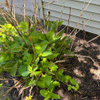
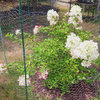
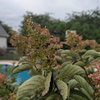
Do hydrangeas wilt before dropping leaves?
7 years ago
Featured Answer
Sort by:Oldest
Comments (6)
Related Professionals
Ocala Landscape Architects & Landscape Designers · Frederick Landscape Architects & Landscape Designers · Ontario Landscape Architects & Landscape Designers · Mobile Landscape Contractors · Vidalia Landscape Contractors · Waco Landscape Contractors · Ottumwa Landscape Contractors · Worthington Landscape Contractors · Wenatchee Landscape Contractors · Bowling Green Design-Build Firms · Cincinnati Design-Build Firms · Muskogee Design-Build Firms · Bangor Design-Build Firms · Escanaba Design-Build Firms · Victorville Design-Build Firms 7 years ago
- 7 years ago

Related Stories
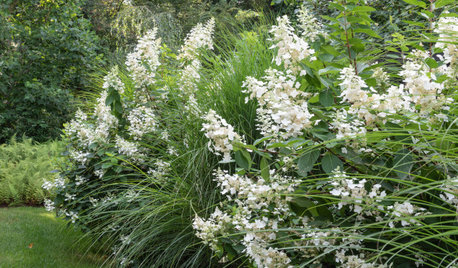
GARDENING GUIDESWhen Is the Right Time to Prune Your Hydrangeas?
The type of hydrangea you have determines when it’s time to trim
Full Story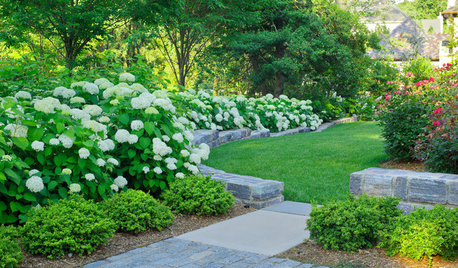
FLOWERS AND PLANTSHydrangea Arborescens Illuminates Garden Borders and Paths
This long-blooming eastern North American native shrub finds a home in landscapes around the world
Full Story
GARDENING GUIDESMake Sure You Read This Before Buying New Plants
Follow these 10 plant-selection tips to avoid buyer’s remorse
Full Story
FALL GARDENING5 Ways to Put Fall Leaves to Work in Your Garden
Improve your soil and yard the organic way with a valuable garden booster that grows on trees
Full Story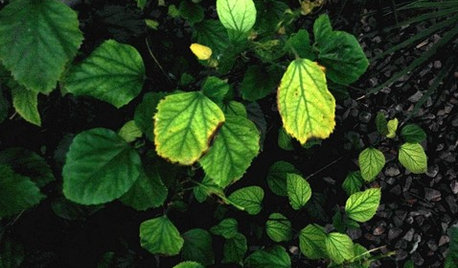
GARDENING GUIDESWhat's Wrong With My Plant? Leaves Often Hold the Clues
Learn how to identify common plant ailments by reading their leaves
Full Story
HOUSEKEEPINGOutdoor Home Prep to Do Before Hard Winter Hits
Avoid cracking, rusting and rotting during freezes by taking care of these tasks now
Full Story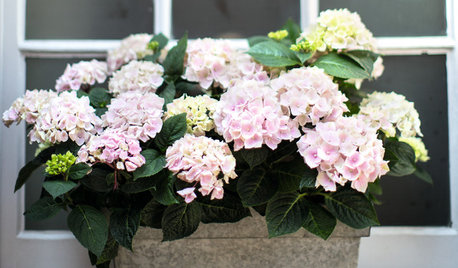
GARDENING GUIDESClassic Bigleaf Hydrangeas Add Old-Fashioned Charm to a Garden
These showy shrubs, familiarly known as mopheads, have long been a flower garden staple
Full Story
FALL GARDENING7 Reasons Not to Clean Up Your Fall Garden
Before you pluck and rake, consider wildlife, the health of your plants and your own right to relax
Full Story
MONTHLY HOME CHECKLISTSTo-Dos: Your November Home Checklist
Give your home a festive holiday air without running out of steam, and stay safe and snug as temperatures drop
Full Story
FALL GARDENINGHouzz Call: Show Us Your Fall Color!
Post pictures of your fall landscape — plants, leaves, wildlife — in the Comments section. Your photo could appear in an upcoming article
Full Story
sheilajoyce_gw