

Engineered Wood Floors
7 years ago
Sort by:Oldest
Comments (3)

Related Stories

REMODELING GUIDESWhen to Use Engineered Wood Floors
See why an engineered wood floor could be your best choice (and no one will know but you)
Full Story
KITCHEN DESIGNKitchen Counters: Stunning, Easy-Care Engineered Quartz
There's a lot to like about this durable blend of quartz and resin for kitchen countertops, and the downsides are minimal
Full Story
REMODELING GUIDESYour Floor: An Introduction to Solid-Plank Wood Floors
Get the Pros and Cons of Oak, Ash, Pine, Maple and Solid Bamboo
Full Story
REMODELING GUIDESLaminate Floors: Get the Look of Wood (and More) for Less
See what goes into laminate flooring and why you just might want to choose it
Full Story
MATERIALSWhat to Ask Before Choosing a Hardwood Floor
We give you the details on cost, installation, wood varieties and more to help you pick the right hardwood flooring
Full Story
REMODELING GUIDESYour Floors: Zebra, Tiger, and Teak Wood, Oh, My!
Get the Pros and Cons of Exotic Woods: Hickory, Cherry, Rosewood and More
Full Story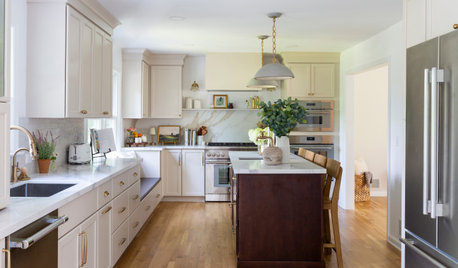
HOUSEKEEPINGHow to Clean Hardwood Floors
Gleaming wood floors are a thing of beauty. Find out how to keep them that way
Full Story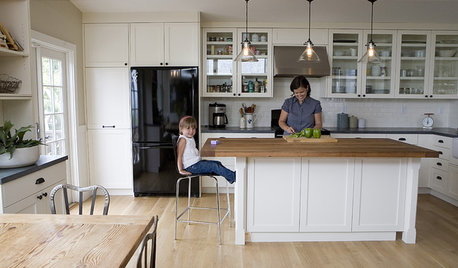
REMODELING GUIDESDesigner Confessions: Torn Between Wood Floors
19 Photos to Help You Choose a Wood Floor Finish
Full Story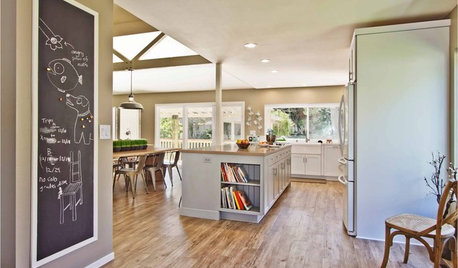
FLOORSWhat's the Right Wood Floor Installation for You?
Straight, diagonal, chevron, parquet and more. See which floor design is best for your space
Full Story
REMODELING GUIDESWood Floor Care: Polish Your Skills
Help your wood floors stay gorgeous by learning how to keep stains, dullness and warping at bay
Full Story

Uptown Floors
SJ McCarthy
Related Professionals
Middletown Flooring Contractors · Mount Vernon Tile and Stone Contractors · Norfolk Tile and Stone Contractors · Auburn Tile and Stone Contractors · Dubuque Tile and Stone Contractors · Kingman Tile and Stone Contractors · Oxnard Tile and Stone Contractors · Florence Kitchen Remodelers · Selma Kitchen Remodelers · Covington Kitchen Remodelers · Wilmington Kitchen Remodelers · Cedar Rapids Kitchen Remodelers · Lawrence Kitchen Remodelers · Manchester Kitchen Remodelers · Santa Maria Kitchen RemodelersOak & Broad