

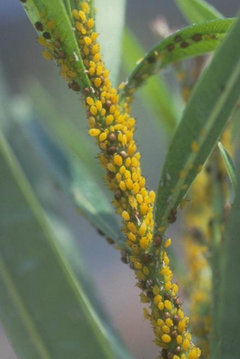
milkweed bug
7 years ago
last modified: 7 years ago
Featured Answer
Sort by:Oldest
Comments (16)
 7 years agolast modified: 7 years ago
- 7 years ago
Related Professionals
Florence Landscape Architects & Landscape Designers · Boston Landscape Architects & Landscape Designers · Lancaster Landscape Architects & Landscape Designers · Sacramento Landscape Architects & Landscape Designers · Detroit Landscape Contractors · Fargo Home Builders · Rochester Home Builders · Killeen Landscape Architects & Landscape Designers · Birmingham Landscape Contractors · Provo Landscape Contractors · Roswell Cabinets & Cabinetry · Covington Landscape Architects & Landscape Designers · Natchitoches Landscape Contractors · Edison Landscape Contractors · Mansfield Landscape Contractors- 7 years ago
- 7 years ago
- 7 years ago
- 7 years ago
- 6 years ago
- 6 years ago
- 6 years ago
- 6 years agolast modified: 6 years ago
- 6 years ago
- 6 years ago
 6 years ago
- 6 years agolast modified: 6 years ago
- 6 years ago
Related Stories
GARDENING GUIDESGreat Design Plant: Butterfly Milkweed, a Beacon in the Prairie
Vivacious orange flowers for you, nectar for the butterflies and bees. Asclepias tuberosa is worth planting for more reasons than one
Full Story
GARDENING GUIDESGreat Design Plant: Milkweed
Quit cringing. This not-weed plant is a sight to behold in the garden, has a delicious vanilla scent and is a magnet for butterflies
Full Story
EARTH DAYHow to Help Your Town’s Beneficial Birds and Bugs
Make a habitat using local materials to provide a home to the creatures that help our gardens
Full Story
GARDENING GUIDESGreat Design Plant: Asclepias Incarnata for a Butterfly Garden
Beautiful swamp milkweed makes it easy to help monarchs and other pollinators in eastern U.S. gardens
Full Story
GARDENING GUIDESGreat Design Plant: Asclepias Verticillata
Plant whorled milkweed in dry central and eastern U.S. gardens to attract monarch butterflies and other insect pollinators
Full Story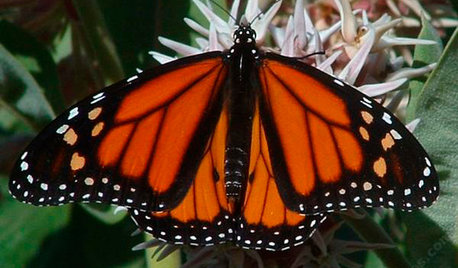
CALIFORNIA NATIVE PLANTSGreat Design Plant: Asclepias Is Attractive to Monarch Butterflies
Increase monarch butterfly populations in California by planting stunning native milkweeds
Full Story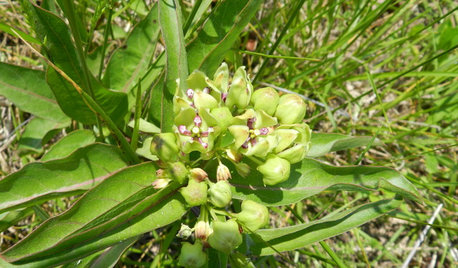
GARDENING GUIDESGreat Design Plant: Asclepias Viridis
Green antelopehorn is a milkweed that is short, drought-tolerant, not aggressive and a monarch favorite
Full Story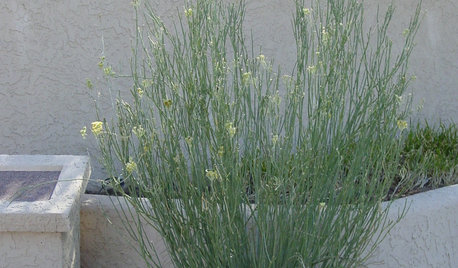
GARDENING GUIDESGreat Design Plant: Asclepias Subulata
With its attractive upright shape and yellow flowers, Southwest native rush milkweed adds beauty while attracting butterflies
Full Story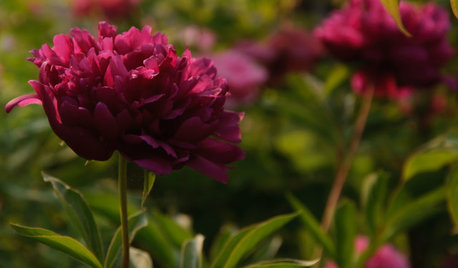
REGIONAL GARDEN GUIDESGreat Lakes Gardener's June Checklist
Hear the berries beckoning? Pluck them while enjoying the wealth of garden blossoms and maybe kicking out a few bugs this month
Full Story0
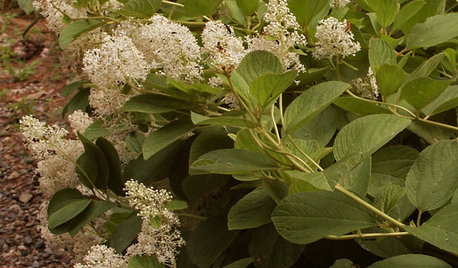
GARDENING GUIDESGreat Design Plant: Ceanothus Americanus
Thriving in lean soil and attracting the good bugs, New Jersey tea is a boon to full-sun areas of the garden
Full Story
dbobul