

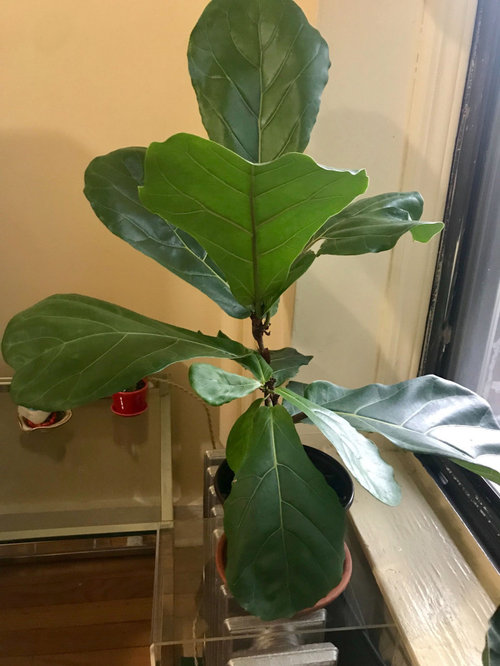
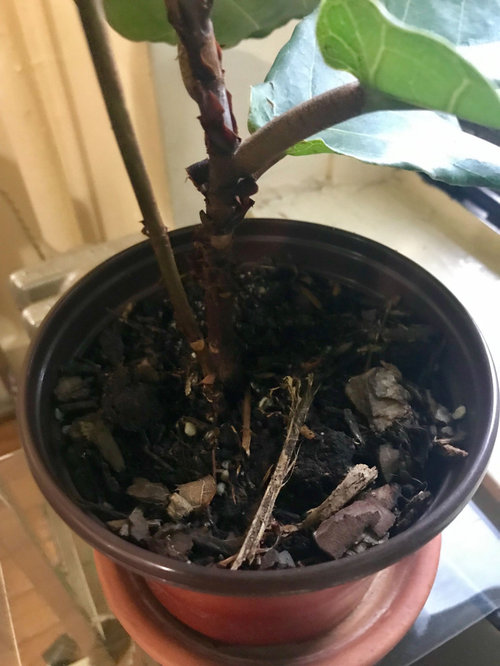
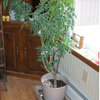
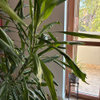
Time to repot Fiddle Leaf?
7 years ago
Sort by:Oldest
Comments (3)
Related Stories

DECORATING GUIDESA Glimmer of Gold Leaf Will Make Your Room Shine
Make a unique, unexpected statement in any space with this precious metallic finish
Full Story
DECORATING GUIDESReboot Your Child’s Room for Back-to-School Time
Give a preschooler to teen a room that’s more age appropriate, fun or to their taste
Full Story
CONTAINER GARDENSContainer Garden Basics: How and When to Water Potted Plants
Confused about soil moisture, the best time to water and what watering device to use? This guide can help
Full Story
MY HOUZZMy Houzz: Laid-Back Style in a San Francisco Home
These first-time homeowners re-create the beach vibe of their SoCal hometown in a 1902 Victorian flat
Full Story
CONTAINER GARDENSConsider These 10 Pet-Safe Houseplants
Help keep cats and dogs healthy with the right selection of indoor plants
Full Story
GARDENING AND LANDSCAPINGGreat Design Tree: Japanese Maple
Lacy form and fiery fall color make Japanese maple a welcome tree for garden or patio
Full Story
HOUSEPLANTSMother-in-Law's Tongue: Surprisingly Easy to Please
This low-maintenance, high-impact houseplant, also known as snake plant, fits in with any design
Full Story
GARDENING GUIDES10 All-Foliage Container Ideas for Your Summer Garden
These long-lasting plants are easy to care for and add lushness and consistency to patio gardens
Full Story
FRONT YARD IDEASBefore and After: Front Lawn to Prairie Garden
How they did it: Homeowners create a plan, stick to it and keep the neighbors (and wildlife) in mind
Full Story
GARDENING GUIDESGarden Myths to Debunk as You Dig This Fall and Rest Over Winter
Termites hate wood mulch, don’t amend soil for trees, avoid gravel in planters — and more nuggets of garden wisdom
Full Story
tapla (mid-Michigan, USDA z5b-6a)
Asia EroOriginal Author
Related Professionals
Bloomington Landscape Architects & Landscape Designers · Middletown Landscape Architects & Landscape Designers · Newark Landscape Architects & Landscape Designers · Durango Landscape Architects & Landscape Designers · Edmonton Landscape Architects & Landscape Designers · Richmond Landscape Contractors · Joplin Landscape Contractors · Hattiesburg Landscape Contractors · Hilton Head Island Landscape Contractors · Plainfield Landscape Contractors · Waterloo Landscape Contractors · San Francisco Landscape Contractors · Sarasota Interior Designers & Decorators · Elkton Interior Designers & Decorators · Pueblo Interior Designers & Decoratorstapla (mid-Michigan, USDA z5b-6a)