

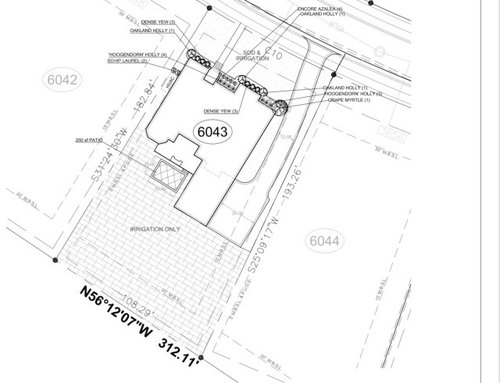
Landscaping help! Replacing Crape Myrtle.
7 years ago
Sort by:Oldest
Comments (5)

Related Stories
GARDENING GUIDESBrighten Any Garden With White Crape Myrtle
A terrific supporting player to other plants, white crape myrtle can help a walkway or other parts of a landscape gleam
Full Story
GARDENING GUIDESGreat Design Plant: Crape Myrtle
With long-lasting blooms and gorgeous exfoliating bark, this ornamental tree brings bright color and a unique form to the landscape
Full Story
LANDSCAPE DESIGNLandscape Design Features Play With Natural Light
See 6 elements that can help your yard capture natural light and shade, from a carefully placed tree to a geometric fence
Full Story
ARBOR DAY10 Trees Landscape Designers Love
In honor of Arbor Day, consider adding a beautiful and beneficial tree species favored by designers around the country
Full Story
GRASSES10 Ways to Use Ornamental Grasses in the Landscape
These low-maintenance plants can add beauty, texture and privacy to any size garden
Full Story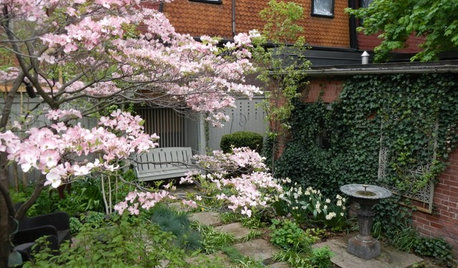
LANDSCAPE DESIGN8 Trees Landscape Designers Love for Small Spaces
Learn more about the top-performing trees to grow in tight corners, city courtyards, narrow side yards and more
Full Story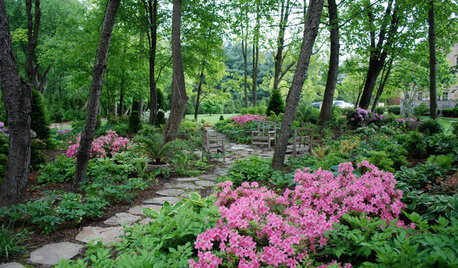
GREEN BUILDINGBuilding Green: How to Design a Healthier Landscape
Plant selection, water management, fire-prevention measures and more can ensure that your landscape is good for the planet and for you
Full Story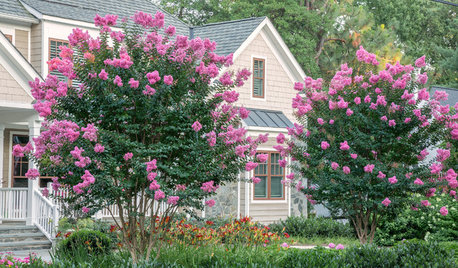
LANDSCAPE DESIGN10 Flowering Trees Landscape Architects and Designers Love
These blooming beauties make lovely additions to gardens — bringing color, fragrance and pollinators
Full Story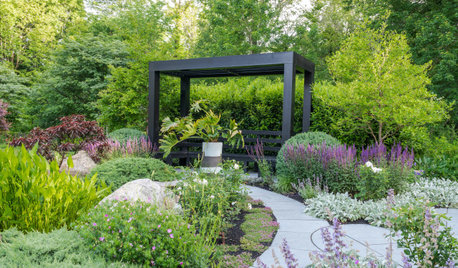
LANDSCAPE DESIGN10 Questions to Ask a Landscape Designer
Discover how to choose the best designer for your yard and avoid surprises down the line
Full Story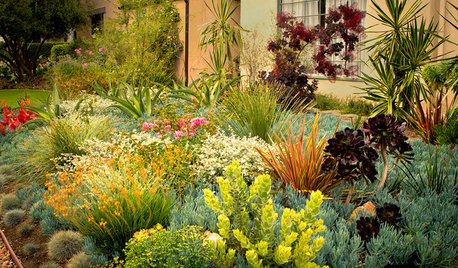
PLANTING IDEAS8 Colorful Drought-Tolerant Landscape Designs
These planting combinations show how to create a lush look with vibrant low-water flowers, shrubs and succulents
Full Story
Yardvaark
evang83Original Author
Related Professionals
Miami Landscape Architects & Landscape Designers · Danville Landscape Architects & Landscape Designers · Williamsport Landscape Architects & Landscape Designers · Colorado Springs Landscape Architects & Landscape Designers · Lubbock Landscape Architects & Landscape Designers · Houston Landscape Contractors · Harrisonburg Landscape Contractors · Beckley Landscape Contractors · Webster Landscape Contractors · Portsmouth Landscape Contractors · Wenatchee Landscape Contractors · Johnson City Decks, Patios & Outdoor Enclosures · Waco Decks, Patios & Outdoor Enclosures · Newport News Decks, Patios & Outdoor Enclosures · Portland Decks, Patios & Outdoor EnclosuresYardvaark
evang83Original Author
Yardvaark