

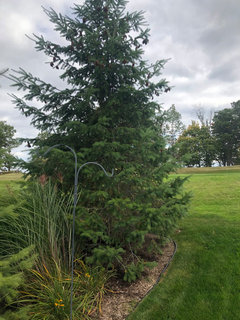
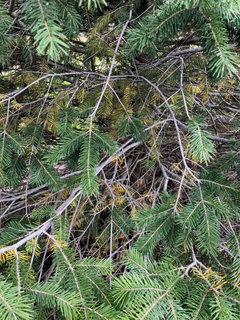
Help with Douglas Fir
7 years ago
Featured Answer
Sort by:Oldest
Comments (10)
 7 years ago
- 7 years agolast modified: 7 years ago
Related Professionals
Southaven Landscape Architects & Landscape Designers · Fredericksburg Landscape Architects & Landscape Designers · Portsmouth Landscape Architects & Landscape Designers · New York City Landscape Architects & Landscape Designers · Glenwood Springs Landscape Architects & Landscape Designers · Port Saint Lucie Landscape Contractors · Bloomington Landscape Contractors · Norfolk Landscape Contractors · Twin Falls Landscape Contractors · Emporia Home Additions · Frisco Home Additions · Wichita Falls Home Additions · Huntington Home Additions · Utica Home Additions · Janesville Home Additions 7 years ago
 7 years ago
 7 years agolast modified: 7 years ago
- 7 years ago
- 7 years ago
- 7 years ago
- 7 years ago

Related Stories
GARDENING GUIDES8 Unthirsty Plants Help You Save Water in Style
Spend less effort and money on your landscape with drought-tolerant and native plants that liven up your yard
Full Story
HOLIDAYSHow to Make a Beautifully Simple Fir Wreath
With little more than evergreen sprigs, beads and a metal ring, you can fashion a festive wreath for your home
Full Story
HOUZZ TOURSMy Houzz: 38 Years of Renovations Help Artists Live Their Dream
Twin art studios. Space for every book and model ship. After four decades of remodeling, this farmhouse has two happy homeowners
Full Story
SELLING YOUR HOUSE5 Savvy Fixes to Help Your Home Sell
Get the maximum return on your spruce-up dollars by putting your money in the areas buyers care most about
Full Story
DECLUTTERINGDownsizing Help: How to Edit Your Belongings
Learn what to take and what to toss if you're moving to a smaller home
Full Story
LANDSCAPE DESIGNFire-Wise Landscapes Can Help Keep Your Home and Property Safe
Choose fire-resistant plants and materials and create defensible areas using these design strategies
Full Story
BEDROOMSA Little Design Help Goes a Long Way in This Bedroom
A Kentucky couple bring in a designer to polish up a bedroom redesign project they had started
Full Story
LIFEConsider Avoiding These Plants to Help Keep Your Garden Fire-Safe
Plants that accumulate dead material, are high in oil or have low moisture content in leaves put some homes at risk
Full Story
PATIOSPatio Details: A Shaded Patio Opens Up the View in Wine Country
A Douglas fir and metal pergola offers shelter from the hot sun on this scenic California property
Full Story
GARDENING GUIDESGreat Design Plant: Northern Bush Honeysuckle, a Bronze Beauty
It helps control erosion and takes sun or shade. The butterflies love it. But the best part of this shrub may be the vivid foliage
Full Story
Benjamin BOriginal Author