Software
Houzz Logo Print
dandy_line

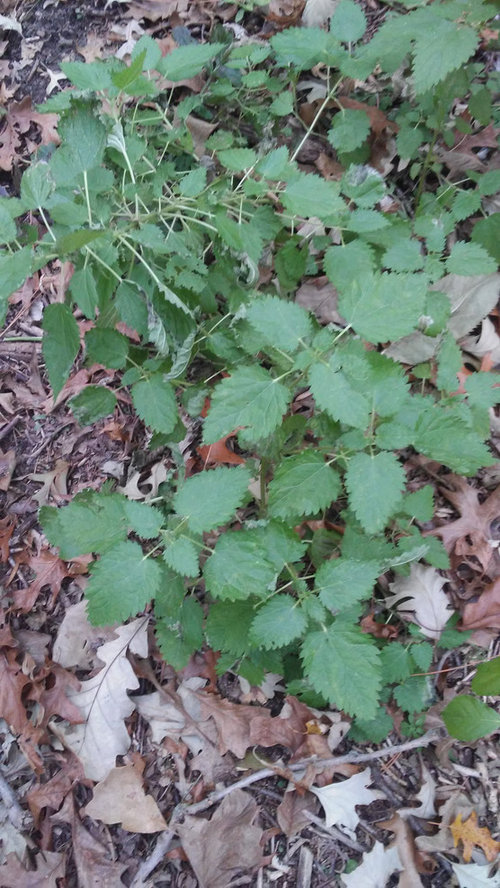
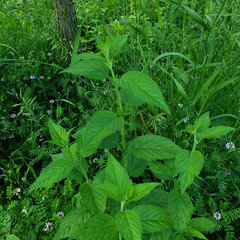
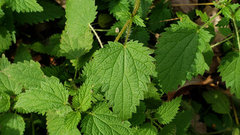
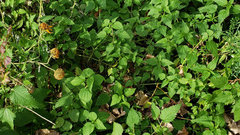
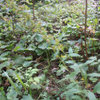
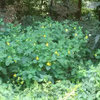
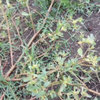
Is this a Nettle?

Still green after all this cold


Comments (23)

  • 7 years ago

    Could be cat mint, does it have a funky smell.

  • 7 years ago

    I think you're right. I thought it looked familiar. Thanks.

  • 7 years ago

    Looks like a nettle to me. Get closer and see if it is covered with the characteristic slender stinging hairs.

  • 7 years ago

    Pretty easy to confirm one way or the other by touching it :-)

  • 7 years ago

    Thanks, but not my pic. I should have said that up front. But, aren't there any false nettles?

  • 7 years ago

    Whoever took the picture needs to either try the touch and smell tests or provide clearer close ups. But I'm pretty sure it's not catmint.

  • 7 years ago
    last modified: 7 years ago

    It's Urtica urens and some populations have lost most of their stings, so the touch test might not work anyway. Nettles have a lot of variation in the number of stinging hairs. All the native nettles, Laportea, Pilea, Boehmeria, and Urtica hl. have pretty much disintegrated and now I see right out my window that the non native dioica and urens are still green and fresh. Urens occurs all over my county and I'd say about 98 percent of it has no noticable sting. I rub them all over my arms and hands to test every time I encounter it in a new place. It has a common name of fire nettle, but maybe the ones in Euope are very loud. Dandy, the extra credit is a Euonymus species and the other plant looks like a native Lonicera. In the photos the leaves look pointier at the tips on some and more rounded on others the this picture.

    I submitted this same plant in the spring and it was floral who kept insisting it was a nettle, then I worked it out. This country needs a nettle appreciation day too. Wondering why the nettles didn't have flowers, could have been mowed earlier or something?

  • 7 years ago

    Yeah, it only occurred to me later that the scallops were pointy.

  • 7 years ago

    At 1st notice, thought it was mint also. I don't know why the local plants here don't have a sting, but all the U. dioica and Laportea around here sure do, ouch. Laportea causes intense itching that feels like your knuckles have 20 mosquito bites. It's good for you tho, really. That's why most nettles have stingers, because they are so nutritious everything would eat them otherwise.

  • 7 years ago

    I am pretty sure that in woodland habitat you would find Urtica dioica, a perennial plant with stringy, yellow "runners" rhizomes


    U urens is an annual, growing among crops like veggies, IME


    and quite sure no Nepeta

  • 7 years ago
  • 7 years ago

    Yes, the only nettle I am familiar with tend to like damp rich soil with some shade, but a stray one might appear here or there.

  • 7 years ago

    Urtica for sure. I think Urtica dioica. I find the early foliage to have more rounded leaves with the later becoming more narrow.

  • 7 years ago

    "U. dioica doesn't do well in a shaded woodland setting."

    It certainly does here! In fact, a partially shaded location, like the edge of woodlands, is where it is most commonly found. btw, there are at least 6 subspecies of Urtica dioica and they can present somewhat different appearances. And this species is fully perennial.

  • 7 years ago
    last modified: 7 years ago

    ***> it certainly does here.<***

    Yeah, well, we aren't 'there'

    Land wise, I think you'er at a higher elevation, so the sun's ray's penetrate your thick forests better. And then there's all the additional, reflected sunlight from the water surrounding your little shangra la, utopian gardening island. That's why those stingers can dwell so deep in your woods lol.

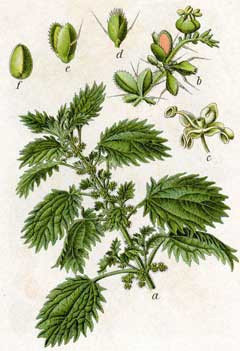
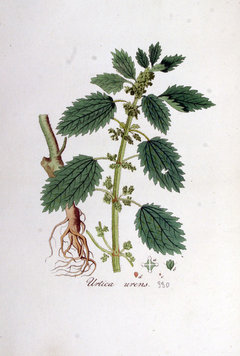
    Oh, botanical illustrations, note the rounded leaf edges.


    Unless someone is monitoring a site all season it's kind of silly to judge whether some plant is perennial or not

    It's Urtica urens, what's the big deal? Why is it so important for it to be dioica. I have a big fricking patch of dioica right outside my window. I think I know what it looks like.

  • 7 years ago
    last modified: 7 years ago


    These are pictures that I took in early spring. These plants are Urtica urens. We were all convinced that these had to be reemerging perennial growth. How do you explain this? Or maybe there's an unrecorded, undocumented species of nettle that just happens to be all over my county. And all of them just like these nettles here, have lost all there sting. How do explain that? They call this fire nettle. I'm just going to have to call my county extension agent or whatever, and try to find out what the hell is going on.

    How about this for jogging memory. Old Forester suggested these here U. urens might be Perilla and we said no way because no annual could grow that fast. I can dig up the thread. How do you explain this,?

    One of these days I'm going to grab that basset hound's blackboard from her, and do some really terrible things with it, lol.


  • 7 years ago

    " Land wise, I think you'er at a higher elevation, so the sun's ray's penetrate your thick forests better. "

    I am at sea level, or just a few feet above. And considerably farther north than you so the sun's rays are actually at a much lower angle. Regardless of my circumstances, most literature confirms that the preferred habitat of Urtica dioica is raparian woodlands or moist 'open' forest so that also contradicts your statement that it "doesn't do well in shade".

    The plant in question is a nettle. I am not sure the exact species is that necessary to confirm but if so, the consensus seems to be dioicus.


    "Unless someone is monitoring a site all season it's kind of silly to judge whether some plant is perennial or not "

    I have no idea how this relates to the discussion at hand. A plant is either a perennial or it's not. It is not judgement call, silly or not.

  • 7 years ago

    I love it when my postings go Viral!

  • 7 years ago
    last modified: 7 years ago

    Plant asked about looks pretty similar to a shaded Urticia dioica that has been moved off earlier in the year, come back from the rootstock.

  • 7 years ago

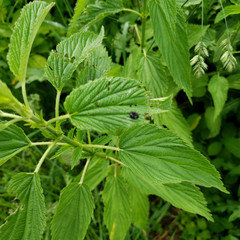
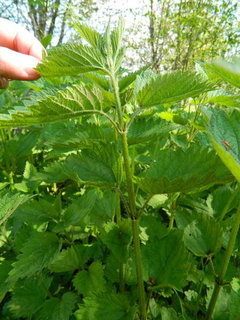
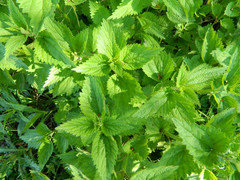
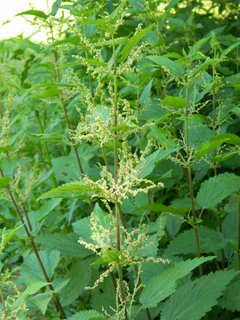
    100% agree with Embothrium that this is a Urtica dioica that has resprouted late in the season to have leaves more similar to those seen late spring. These are my Urtica dioica from this year. The early leaves, the ones that would remain lower on the plant, are much more rounded and the upper ones become more narrow. Makes sense for the plant as it can maximize its solar collection with this strategy.


    I actually grew these from seed that I got from a large herb vendor for my own herbal use. They grow in mostly shade after the trees leaf out. Not originally that way when I planted them but they get by and come back every year. They stretch a bit more for light, as you see in the last picture, when in the shade.


    May Foliage:


    Same plants one month later.


  • 7 years ago

    Here's the deal. I took another hard look at the leaves and have come to the conclusion that there's a good chance it is dioica. The veining on both is very similar. It probably doesn't matter to the people that wanted to know, because I'm sure they nuked them already.