

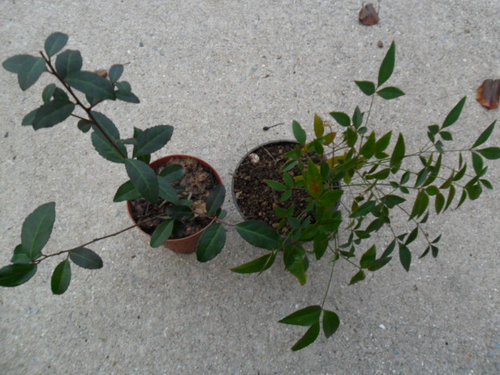
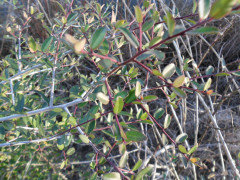
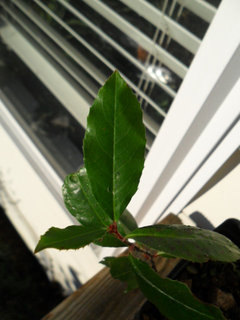
two evergreen volunteers
6 years ago
Featured Answer
Sort by:Oldest
Comments (18)
- 6 years ago
Related Professionals
Sebring Landscape Architects & Landscape Designers · Mission Viejo Landscape Architects & Landscape Designers · Albuquerque Landscape Architects & Landscape Designers · Leamington Landscape Architects & Landscape Designers · Effingham Landscape Contractors · Fort Dodge Landscape Contractors · Bemidji Landscape Contractors · Keene Landscape Contractors · Show Low Landscape Contractors · New Orleans Stone, Pavers & Concrete · Aberdeen Stone, Pavers & Concrete · Vineland Stone, Pavers & Concrete · Akron Stone, Pavers & Concrete · Fresno Stone, Pavers & Concrete · Tacoma Stone, Pavers & Concrete- 6 years ago
 6 years agoCasaLester RTP, NC (7b) thanked Dave in NoVA • N. Virginia • zone 7A
- 6 years ago
- 6 years agolast modified: 6 years agoCasaLester RTP, NC (7b) thanked Dave in NoVA • N. Virginia • zone 7A
- 6 years ago
 6 years ago
- 6 years ago
- 6 years ago
- 6 years ago
- 6 years agoCasaLester RTP, NC (7b) thanked Dave in NoVA • N. Virginia • zone 7A
- 6 years ago
- 6 years ago


Related Stories
DIY PROJECTSHoliday DIY: Mason Jar Forced Bulbs and Evergreen Gift Tags
Learn how to make these winter projects from the book ‘Garden Made’ by Stephanie Rose
Full Story
HOLIDAYSOne Table, Two Holiday Settings
Take your dining table from fall to winter with one basic setup and natural decor you may already have
Full Story
DIY PROJECTSHoliday DIY: 3 Evergreen Gift Toppers
Make your Christmas gifts stand out with these trendy-meets-timeless gift toppers
Full Story
LANDSCAPE DESIGN12 Ways to Use Evergreen Boxwoods in Your Landscape
Add form to garden beds, edge walkways and create winter interest with these sophisticated shrubs
Full Story
LANDSCAPE DESIGNWarm Up Your Home With an Evergreen Windbreak
Plant tall trees for more warmth in winter, serenity in summer and good looks all year long
Full Story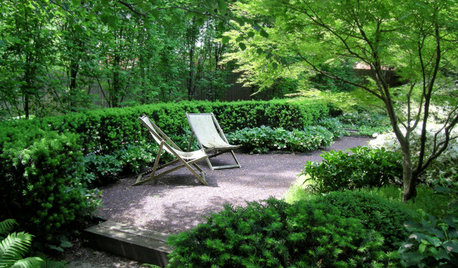
FOLIAGEEasy-Care Evergreen Plants and Combos for Stunning Shade Gardens
Here’s what to plant for year-round interest and minimal maintenance in full-shade to dappled-light garden beds
Full Story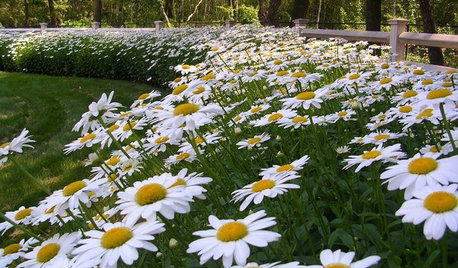
GARDENING GUIDESMix or Mass Daisies for Two Great Garden Looks
The classic daisy looks equally beautiful massed in borders or mixed throughout a naturalistic planting. Which look suits your style?
Full Story
PLANTING IDEAS8 Ways Evergreens Can Provide Structure in the Landscape
Create a garden that looks good year-round by using evergreens as natural walls, dividers and focal points
Full Story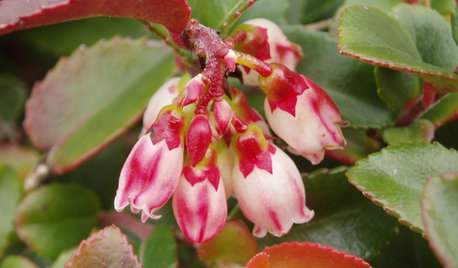
GARDENING GUIDESGreat Design Plant: Evergreen Huckleberry Appeals All Year
Spring flowers and summer berries are only half the story with Vaccinium ovatum, a versatile Pacific Northwest native plant
Full Story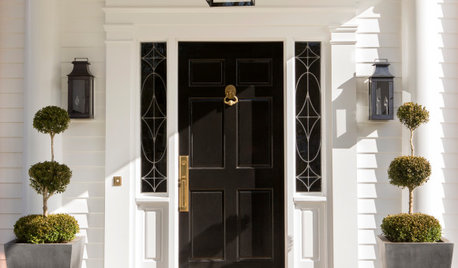
GARDENING GUIDESTop Cold-Hardy Evergreens for Container Gardens
These tough beauties look good year-round and add consistency to container arrangements
Full Story
Sponsored
Dave in NoVA • N. Virginia • zone 7A