

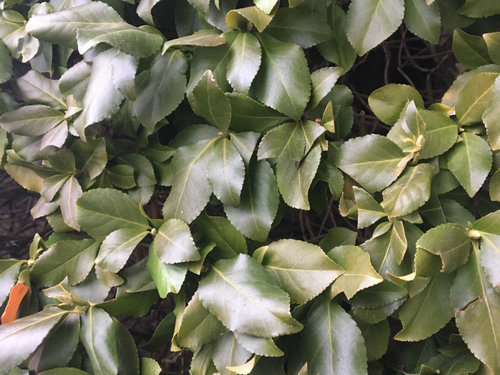
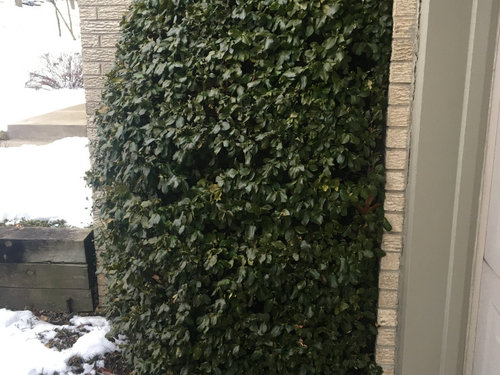
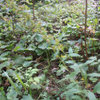
Unknown Broadleaf evergreen
6 years ago
last modified: 6 years ago
Featured Answer
Sort by:Oldest
Comments (15)
 6 years ago
Related Professionals
South Bend Landscape Architects & Landscape Designers · Wichita Falls Landscape Contractors · Southaven Stone, Pavers & Concrete · San Antonio Stone, Pavers & Concrete · DeRidder Landscape Architects & Landscape Designers · Detroit Landscape Architects & Landscape Designers · Ontario Landscape Architects & Landscape Designers · Gainesville Landscape Contractors · Dayton Landscape Contractors · Rock Hill Landscape Contractors · La Crosse Landscape Contractors · Longview Landscape Contractors · Pittsburg Home Builders · Farmington Home Builders · Billings Home Builders- 6 years agolast modified: 6 years ago
 6 years ago
- 6 years agolast modified: 6 years ago
 6 years agolast modified: 6 years ago
 6 years agolast modified: 6 years ago
- 6 years ago
 6 years ago
- 6 years agolast modified: 6 years ago
 6 years ago
- 6 years ago
 6 years agolast modified: 6 years ago
 6 years ago
- 6 years agolast modified: 6 years ago

Related Stories
GARDENING GUIDESGreat Design Plant: Broadleaf Stonecrop (Sedum Spathulifolium)
If you want showy flowers and drought tolerance, this succulent is right up your zone-5 alley
Full Story
LANDSCAPE DESIGN7 Evergreen Wonders of the Plant World
Year-round interest, structure and beautiful color? These top-notch evergreens have gardens covered
Full Story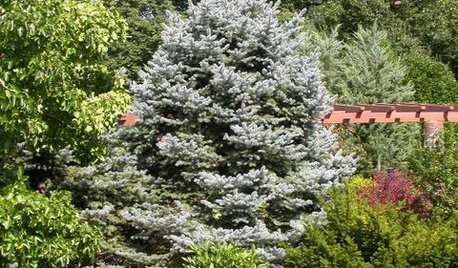
LANDSCAPE DESIGN10 Evergreens for Beautiful Foliage All Year
Give your landscape consistent color and structure with the emeralds, chartreuses and blues of evergreen trees and shrubs
Full Story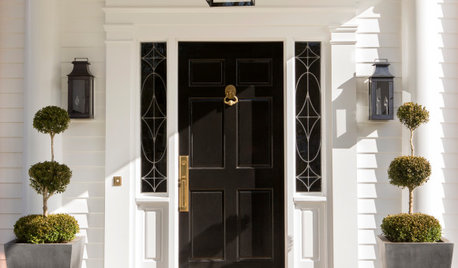
GARDENING GUIDESTop Cold-Hardy Evergreens for Container Gardens
These tough beauties look good year-round and add consistency to container arrangements
Full Story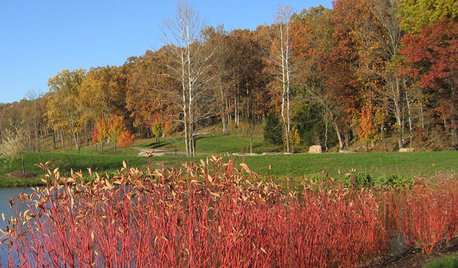
GARDENING GUIDESThese Hedges Can Add Interest to Your Winter Garden
Evergreen trees and shrubs provide structure and color in the winter months — and can attract wildlife too
Full Story
REGIONAL GARDEN GUIDESWelcome the Turning Season: Advice for Your September Garden
Roll with the cooler weather by planting away. Our gardening guides tell you what plant picks are best for each U.S. region
Full Story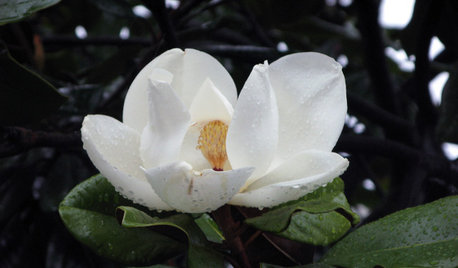
TREESGreat Design Plant: Southern Magnolia, Iconic U.S. Native
Massive, fragrant blooms and deep green leaves set Magnolia grandiflora apart from other large shade trees
Full Story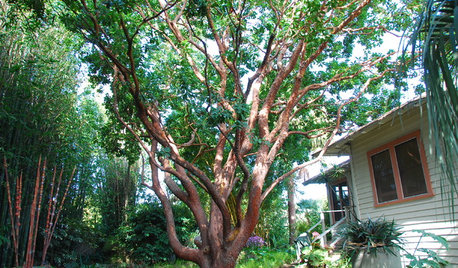
TREESGreat Design Plant: Arbutus 'Marina'
Twisted trunks and snazzy fruit bring wild, all-year beauty to the garden — just keep this small tree away from the lawn
Full Story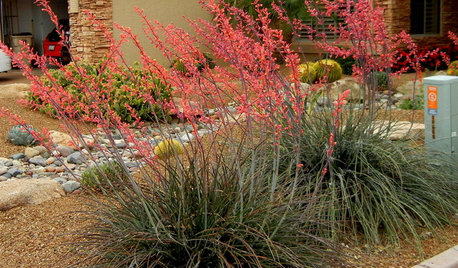
GARDENING GUIDES10 Cold-Hardy Succulents for Cool-Season Interest
These attractive plants shrug off colder temperatures, and many can be brought inside in containers in extra-chilly climates
Full Story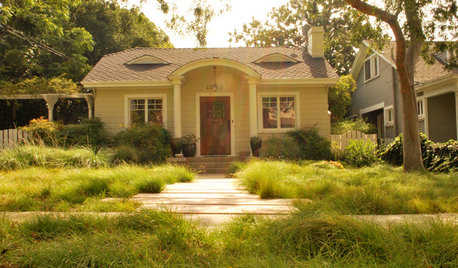
MOST POPULARMeet a Lawn Alternative That Works Wonders
Carex can replace turfgrass in any spot, is low maintenance and adjusts easily. Add its good looks and you’ve got a ground cover winner
Full Story
Smivies (Ontario - 5b)