

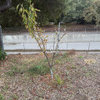
Do I need Paver sand??
6 years ago
Sort by:Oldest
Comments (4)

Related Stories

GARDENING AND LANDSCAPING8 Great Ways to Use Landscape Pavers
Today's Stepping Stones Define a Space While Adding Affordable Style
Full Story
GARDENING AND LANDSCAPINGPatio Pavers Rock Out
Pair stone or gravel with bigger pavers for a patio design that guests will pay tribute to
Full Story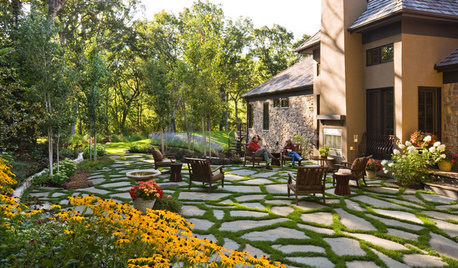
GARDENING AND LANDSCAPINGPatio Pavers Go Green in Between
Kind to the environment and easy on the eyes, pavers with moss or other foliage in the joints create a charming permeable hardscape
Full Story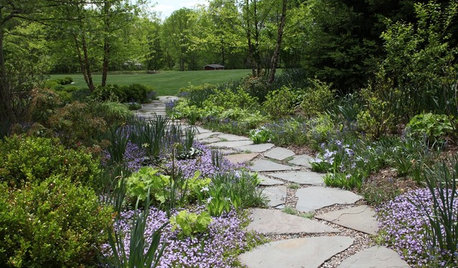
GREAT HOME PROJECTSWhat to Know About Installing a Walkway of Pavers and Pebbles
Find out how to get started, whom to hire, materials to use and costs to expect when adding a path of pavers and gravel
Full Story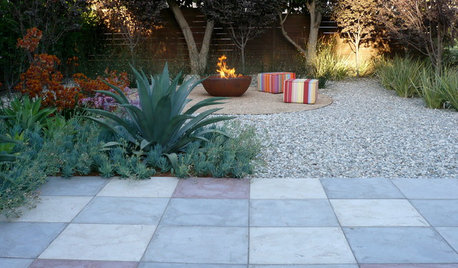
MATERIALSPrecast Concrete Pavers Make a Versatile Surface in the Garden
You can use concrete pavers in a variety of shapes and colors for your patio, walkway, driveway and more
Full Story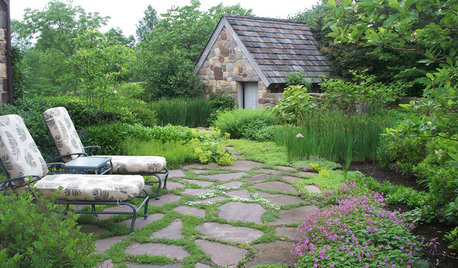
GARDENING GUIDESLow-Maintenance Ground Covers to Go With Your Pavers
These 8 plants will fill the spots between steppingstones, gaps in flagstone patios and other garden nooks and crannies
Full Story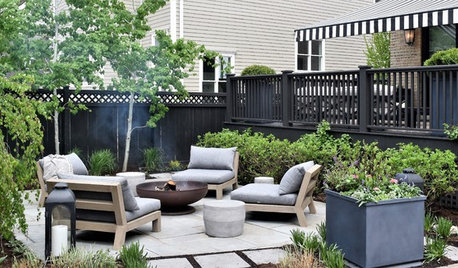
LANDSCAPE DESIGNPavers, Pergola and Black Stain Transform a Chicago Backyard
An unused patch of grass becomes a shaded dining area that leads to an outdoor lounge
Full Story
LANDSCAPE DESIGNSee How 3 Patios Ingeniously Mix Pavers and Pebbles
Designers show there is more than one way to execute this popular material pairing
Full Story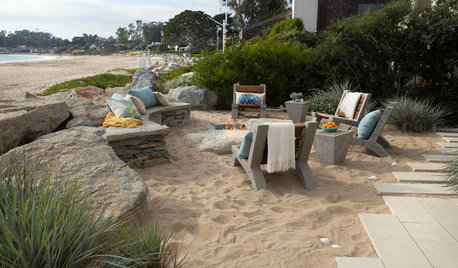
LANDSCAPE DESIGNNew Sand, Seating and Fire Pit Make for Prime Beach Lounging
This laid-back coastal garden in Southern California makes the most of a prime oceanfront location for a family of 5
Full Story
LIVING ROOMSSand and Surf Inspire Look of New Great Room With Pacific Views
A designer renovates a coastal California living space to highlight its amazing views and create a chic beach vibe
Full Story
mindshift
Beth H. :
Related Professionals
Montgomery Landscape Architects & Landscape Designers · Anderson Landscape Architects & Landscape Designers · Eau Claire Landscape Architects & Landscape Designers · Lynchburg Landscape Contractors · Kankakee Landscape Contractors · Detroit Landscape Contractors · Victoria Landscape Contractors · Middletown Decks, Patios & Outdoor Enclosures · Marinette Decks, Patios & Outdoor Enclosures · Quincy Interior Designers & Decorators · Fall River Interior Designers & Decorators · Lincoln Interior Designers & Decorators · Williamsport Architects & Building Designers · Southaven Kitchen & Bathroom Designers · Eureka Kitchen & Bathroom DesignersYardvaark
Yardvaark