Software
Houzz Logo Print
bbams

Are these weeds? Also tree ID?

6 years ago
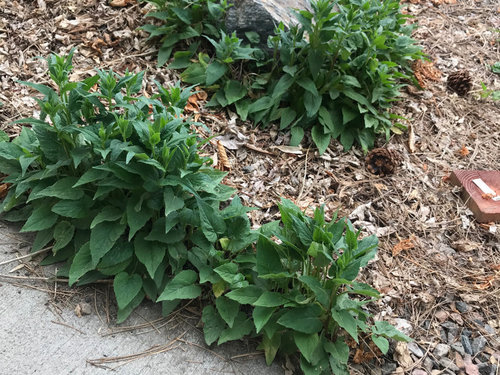
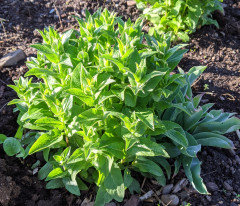
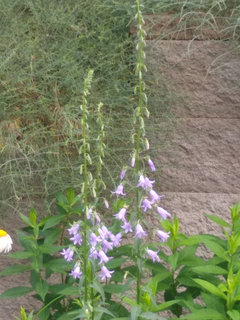
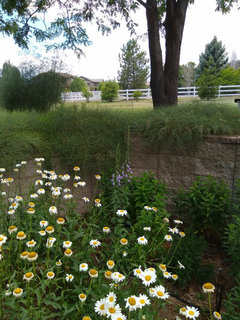
Hi, my friend has a ton of these in his front yard. They look to be in a pattern that was planted purposefully by the previous owner-lining the edging and such. We can’t figure out what they are. Is it a weed? He said they didn’t bloom last year.

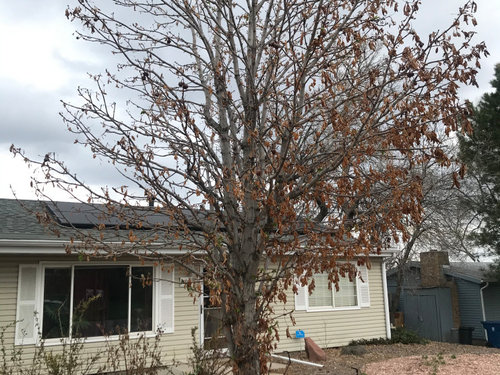
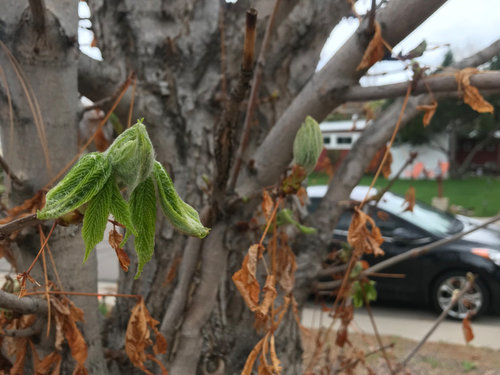
Also, can anyone identify this tree? Thanks!!!!!


Comments (22)

  • 6 years ago

    The plants are Campanula glomerata.


    I believe.


    I have some in the yard, Beth, and can take a picture when it is light.


    Steve

  • 6 years ago
    last modified: 6 years ago

    Well, let me try that picture a different way


    ...

  • 6 years ago


    The nursery listed it as a "Campanula Superba."


    It's seriously crowding a tulip on the right ...


    Steve

  • 6 years ago

    Great! Thanks so much Steve!!!!!!

  • 6 years ago

    I just looked them up... they are a little darker than those maybe but the website says they grow 2-3”. Is that what yours are? Yours look higher too because of the tulip so maybe there are several types? His are anywhere from about 4-12”

  • 6 years ago

    Two to three feet is about right, Beth.


    There are several plants, now. They are easy to divide.


    How that one came to be so close to the tulip, I don't know.


    Steve

  • 6 years ago

    Ohhh I was thinking 2-3 inches. Great! Good advice about dividing too, thanks! I’ll do that :)

  • 6 years ago

    It's really hard to tell at this stage, but those leaves look like horse chestnut, Aesculus of some sort.

  • 6 years ago


    Hi Beth,

    When I first saw the leaves on the plants in the first pic, my first thought was also, some kind of Campanula, but it seems strange to me that they didn't bloom last year if that's what they are! If they are Campanula, I agree that C. glomerata is the most likely one based on what they look like now. Since there are "a ton" of them I suggest you dig up an "outlier" to see if it has a deep taproot. If it does, it's not Campanula! Otherwise just wait till they bloom and see if it gets purple "clustered bellflowers," which is the common name for glomerata. Without flowers I can't be sure on this one!

    Digit, has your C. glomerata ever "spread" the way the plants in the pic seem to have done? I had one for a few years, and mine always stayed in one spot--until it died because something else next to it smothered it!!!

    And, with the tree, I think it's unrealistic to look for an ID until it has some close-to-full-size leaves on it.

    Skybird


  • 6 years ago

    Yes, it spreads in my flower bed.


    No problem, in a few years the plants (2 to start) could have taken over that entire bed, or about 4' by 8' of it.


    An id at blooming should be easy.


    Steve

  • 6 years ago

    Thank you!!! I talked to my boyfriend more about them and I may be wrong about the blooms, apparently he pulled all of them last year because he thought they were weeds so he never saw if they bloomed. Oops! He must’ve just divided a bunch by mistake instead of pulling the whole thing. Regardless, great to know it’s not a weed!!!! I might try to divide a bunch and replant the border where he was successful in pulling them. After all he’s the one that built those gorgeous planter benches in the other post so I owe him. Haha.

  • 6 years ago

    Oh! And re tree... he’s trying to find full bloom pics. If he can’t I’ll post later when it’s in bloom. Thanks!!!

  • 6 years ago
    last modified: 6 years ago

    Beth,

    I'm glad you asked this question with pictures. I think I have this plant. It has come back every year and not spread. I think it used to get pulled as a weed but eventually I let it flower and it had purple bell shaped flowers on a tall stock. It might not be the same variety as yours or the ones posted by Steve, but as least I have a name to research. Looking forward to your pictures when it is in bloom.

    Edit: Found this "Basically, bellflowers consist of two major categories. The first type
    includes the ones that grow out to be tall and upright, an ideal choice
    for your garden borders. The second category includes bellflowers that
    are lower in height, making them perfect for your garden edging or rock
    garden."

    https://www.homestratosphere.com/types-of-bellflowers/

    Yours might be the lower height and our is the upright version.

  • 6 years ago

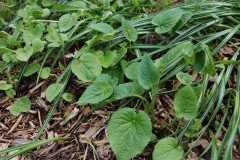
    I want to add a possibility, but I'll leave it up to the pros here to tell you if I'm off base. The fact that you said your friend has a TON of these makes me suspicious of creeping bellflower (Campanula rapunculoides). I've got some in my yard, and the first couple of years, it was so beautiful, I let it have it's way. I've been fighting tooth and nail with it for the last decade. When the plants are more mature, they look like the picture you posted, and get beautiful purple bellflower spikes growing up from it. When the plant is young, it has more heart shaped leaves, and the leaf stalks actually stretch before they break when you try to pull them. I'm adding a picture of the young plants, I couldn't find any more mature plants in the yard, but they really do look very similar to the picture you had posted.. Keep in mind, the attached jungle is only a few weeks of growth, since the last time I battled with them. I'm also attaching an article I found online about getting rid of them, if that's what it turns out they are.

    https://www.gardeningknowhow.com/ornamental/flowers/campanula/removing-creeping-bellflower.htm

    So, plant pros, does regular Campanula have that same stretchy attribute? Could we try to figure out if it's the well behaved kind, or the thuggish kind, based on that feature?


  • 6 years ago


    There are too many species of Campanula to know for sure at this point what it is, and I, too, recommend caution before you start "spreading it around," Beth. Some of them are truly horrendously invasive--as you found out the hard way, Stace! What stopped me when I first saw it is that the leaves also look very much like a weed that "came with our house" when I lived in an Olde house up in Park Hill! It had leaves that looked very much like a Campanula, and I think it might have been some non-commercial species. It had LONG taproots and I started calling them Carrot Weeds. In the time we lived there I was never able to even make a dent in getting rid of it, much less eradicating it. I can't remember what the flowers looked like--tho I rarely let one get to the blooming point!

    Beth, I recommend posting more pics as soon as you have some flowers that are open all the way--and I still recommend digging a small one up to see if it has--or is starting to grow--a taproot.

    Skybird

  • 6 years ago
    last modified: 6 years ago

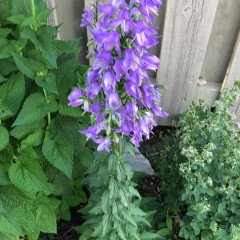
    Did yours flower yet? Mine looks like this. It is very tall as you can see below. I'm still not sure what type it actually is. Does look like some form of bell flower.

  • 6 years ago

    mmmm12CO, I think those are what SkyBird was warning about.


    They have been referred to as Lady Bells by me. Howsomeever, there are Lady Bells that the nurseries may sell that are said to NOT be weeds.


    Please note that the "Campanula Superba" pictured above are NOT the same as Lady Bells.


    Steve

  • 6 years ago

    Thanks Digit,

    But this isn't the first year we've let it flower and it has never spread. I wish it would a bit as there has only ever been just the one in the flower bed. It does come back year after year.

  • 6 years ago

    mmmm12CO - your purple bellflowers look like the invasive ones (from my neighbor) that I've been trying to remove for 2+ years. Campanula rapunculoides, also called Rampion Bellflower. They can be very tall once established. Don't let the plant go to seed.

  • 6 years ago


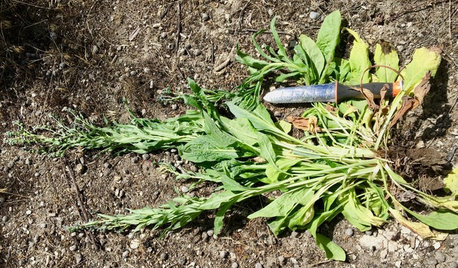
    This is the bellflower just dug up for a guy who wants the invasiveness of the plant.

  • 6 years ago
    last modified: 6 years ago

    Thanks Tomatoz1! But we've let if go to seed multiple times over the last couple of decades and it has never spread beyond the original plant which was here when we bought the house.