Software
Houzz Logo Print
irfan_ali16

New grass not dense and has dead spots

6 years ago
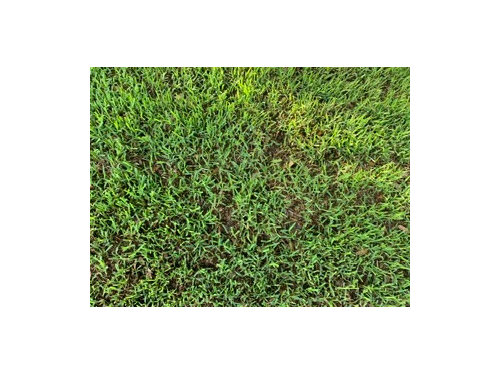
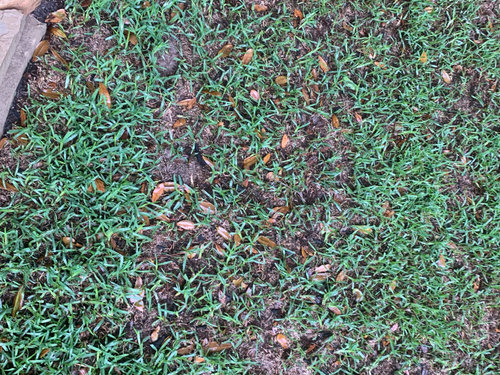
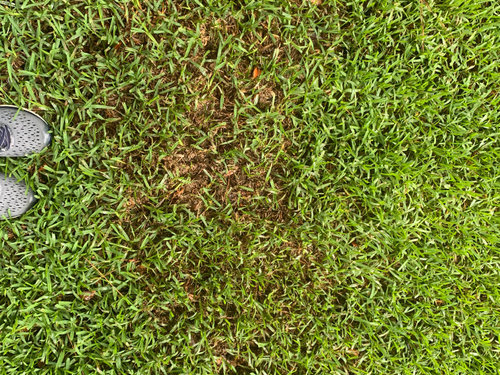
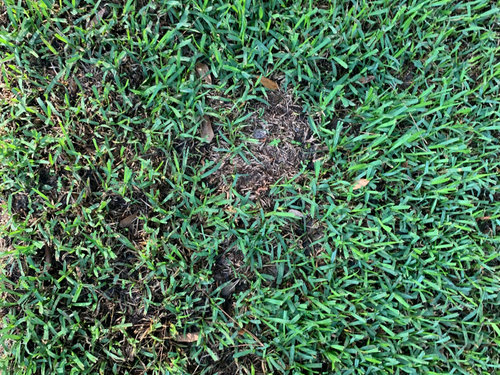
We had new grass sod installed in March but there are lot of patches in which grass is not growing and has dead patches and grass is generally not as dense. Before installing sod, our gardener had put in new soil as well. We have been watering the grass regularly and had put in fertilizer as well without much success. Any ideas on what we should do will be welcome.


Location Houston, Tx


Comments (9)

  • 6 years ago

    im having a hard time understanding the pix ...


    but.. can you rule out worm castings????


    ken


    https://duckduckgo.com/?q=worm+castings+in+grass&t=ffcm&iax=images&ia=images

  • 6 years ago

    Hi Ken,
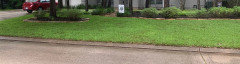
    There doesn’t seem to be any indication of work castings. Adding an additional picture for perspective.

  • 6 years ago

    Is this a warm season grass?

  • 6 years ago

    Yes it is a warm season grass.

  • 6 years ago

    Seems like you're withholding information. We really need to know the type of grass and your location up front to be able to help you.

    The problem is too much water. I'm assuming this is bermuda and also that you are still watering it daily. Can you please confirm those assumptions.

  • 6 years ago

    Not withholding any information. Location was included in the original post.

    I think it is St Augustine. Watered daily for first few weeks and then switched to 3 times as the folks who installed the grass asked us. Grass was installed late March.

  • 6 years ago

    My bad. You know I did see Houston when I first read the post, but then on second reading I blanked. Sorry for my mini-rant, but we get this a lot. But now I can take care of you.

    Also I did not see the shoes in the third picture. Unless those are clown shoes or Barbie shoes, it does appear to be St Augustine.

    Thanks for the watering plan. You are, at this point, ready to change that up...a lot. What you have now is a fungal disease caused by watering too much. Even though this grass is fairly new, you can move to much less frequency and watering much longer. Your weaning time will be short.

    Watering: Deep and infrequent is the mantra for mature turf. Yours is not quite mature, but it will be in a month as we get some deeper roots. Deep means 1 inch all at one time. Measure that with tuna or cat food cans. Place several around the yard and turn on the sprinklers. Time how long it takes to fill all the cans. If you get runoff, stop watering and wait 15 minutes to let it soak in. Then resume the clock until you fill the cans. That time will be your watering time from now on. But now that I think about this, please wait a week or so before doing this test. You just got a bunch of rain this week, so let that work for you. I got 2 inches and am not planning to watering again until late June (at least). Turn off your sprinklers completely and watch the grass. It should be perfectly fine for at least a week. If you see the blades folding together anywhere in the yard, then do the can test as I described. So what is infrequent watering? This has to do with the air temperature, and in your case, the humidity. For Houston this time of year (and I just checked your forecast) you should be deep watering no more than once every 2 weeks.

    Mowing: Always mulch mow St Augustine at the mower's highest setting. Always. You can go ahead and weld your wheels in place. Mowing high helps the grass to develop deeper roots which go hand in hand with deeper watering. Those roots will also be pulling nutrients from deeper in the soil. This is really important for St Augustine.

    Fertilizer: I like organic fertilizer for St Augustine, but I'm not going to drive over and force you. Fertilize it on Memorial Day, Labor Day, and Thanksgiving. I use either alfalfa pellets or corn meal at 20 pounds per 1,000 square feet.

    As for your current disease, I have had excellent success using ordinary corn meal from the feed store at a rate of 20 pounds per 1,000 square feet. The problem with chemical fungicides in Texas is you are not supposed to use them if the temperature is going to be higher than 85 degrees. Well...that's just about most of the year. Besides, corn meal has worked for me every year since 2002. It is not a problem at all to use it heavier in the areas where the grass is thin. You cannot overuse organic materials on the lawn...unless you bury the grass under them. This is a common problem when using compost. Don't use compost.

    Where to find a feed store? You very likely do not live in Houston but in a suburb. I don't make a big deal out of the suburbs like I do in the Los Angeles area, because Houston is much more homogeneous than LA. But when it comes to finding a feed store, go to Google Maps and search for "feed stores near (your suburb), TX" without the quotes or parens. Then start making calls to check on availability and pricing. Corn meal is getting cheaper every day. It should be well under $10 for a 50-pound bag. There is another corn product called corn gluten meal. It's a lot more expensive and does not work against the disease, do not let them sell you that. It is an excellent organic fertilizer, but does not work on the disease.

  • 6 years ago

    Thank you for the detailed recommendations. We ordered corn meal already and will implement suggestions and report back here. Thanks again.

Sponsored
Peabody Landscape Group
Average rating: 3.5 out of 5 stars8 Reviews
Franklin County's Reliable Landscape Design & Contracting