Software
Houzz Logo Print
masb333

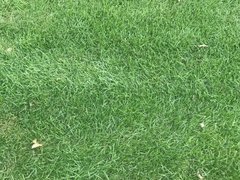
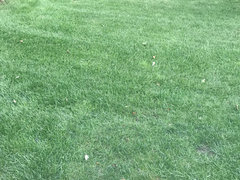
Did I ruin my sod?

6 years ago
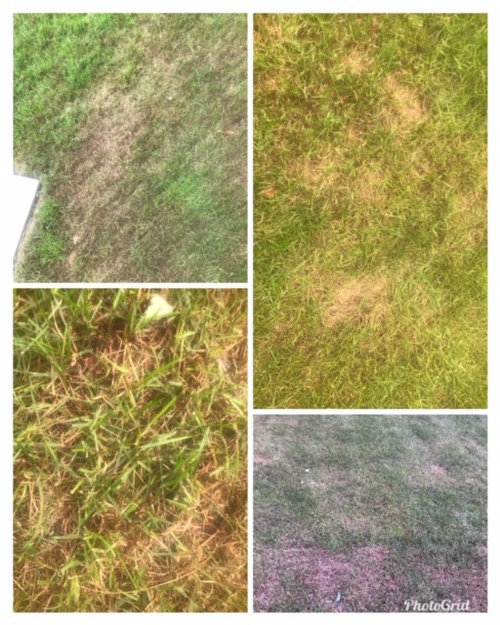
I think I may have waited too long to cut it and damaged it. Our landscaper said it got too moist with it getting so tall. And now some areas look like they may be rotted while other areas look dried out (?). I hope it can be saved. Would love any ideas! Should I rake it and put TurfBuilder or something? And, when should I water it now? I'm in Northern New Jersey.. it's getting hotter and more humid (low 80s today). Many thx!


Comments (10)

  • 6 years ago

    @User Thanks for the great feedback! Yes, the sod was put down around April 10th. I believe the HomeDepot has Milo.. I'll try to get it. Thanks!

  • 6 years ago

    @User We bought one bag of Milo thinking that would be enough, but it only did half or a third of our yard and our lawn isn't that big. Is that normal?? It said to put the spreader at 10.5 for the Scotts Spreader Edge Guard. We'll need maybe 3 bags to do the whole lawn . Does that seem normal? Thx in advance!

  • 6 years ago

    You never actually specified your total lawn size, so I wouldn't be able to tell...

    A bag of Milo covers about 2,500 square feet at bag rate, but if you find you seriously overdid it, hopefully there was no real harm done. Milo only has about half fast nitrogen, so you'd have to overdo it pretty badly to risk a burn (I managed it once by dumping a pile of the stuff on the lawn, and even there, it only burned in the spot where I couldn't get the worst of it up).

    So if your lawn is 7,500 square feet (about the American average or even a little on the small side), then yes, 3 bags is about normal.


    masb333 thanked User
  • 6 years ago

    @User Thanks for the feedback! Appreciate it! Fingers crossed it helps at least a little!


  • 6 years ago

    Do you know what the size of your lawn is, or how to calculate it? Do you have either a rope or an extension cord of known size? It's easy to figure out the approximate area with that (or there are online map measurement systems that will do it off the Google Earth image, too!)

    One, it's a useful thing to know so you know what size bags to buy, and two, you can also you know if something's gone down or is going down too heavily.

    Your property deed should list your total lot measurements, as well, so you can read it off there, subtract house footprint and patio and gardens and whatnot and figure it out, and so on...

  • 6 years ago

    @User I wanted to let you know your suggestion seemed to really help. Amazing! Our lawn has totally come back! Well, at least much better than it was. The Milorganite seems to have done the trick . Some torrential rainfalls we had a few weeks ago also probably helped. We put another round of the Milo down again this week as the bag says to do it around Memorial Day and Fourth of July. Check out the pics of our revived lawn. Thx again for your help!


  • 6 years ago

    Well, that's certainly an improvement!


    Milo won't hurt as much as some others, but definitely ignore what the bag says in the future. Fortunately, you were actually very late, and we're beginning to move back into the organic feeding season.


    Feed on Memorial Day, Labor Day, October 1, and then use a good synthetic on November first or so around the time you do the last mow on the lawn. Milo won't work well in November, it's getting too cold for organic decay.

    Summer feeding tends to tap resources out of the lawn that it needs to use to survive the summer. Milorganite isn't nearly as bad about that as synthetics are--it doesn't contain all that much fast nitrogen--but it still forces things a little bit. So it's best to not feed over the summer.

    I use even slower sources of nitrogen so I feed on a shifted schedule (it's not important here, just an item of interest). But for most people, most of the time, the above schedule works.

    masb333 thanked User
  • 6 years ago

    @User Thank you again! This is good info! What do you mean by Synthetic? Sorry, still new to this? Do you mean something like Scotts? Thanks!

  • 6 years ago

    For the most part. On the bag, it tends to list "fast" and "slow" nitrogen.


    Fast nitrogen is quickly available, in hours to just a few days via either fast bacterial action (urea) or direct chemical usage without any need for translation by anything. While one or two organics are actually very fast (blood meal and urea, which is an organic molecule and which you and I produce by the ton during our lifespans), when we say organic around here, we actually mean a slower source of nitrogen. Fast sources of nitrogen are synthetic, and we just lump urea under this category since they cook it up in a factory these days anyway (the lawn can't tell the difference, the molecule is identical, and so on).


    Slow nitrogen is usually organically-derived, but not necessarily, and plenty of companies, including Scotts, produce nice, slow sources of synthetic nitrogen.


    So I was actually pretty confusing in my phrasing above. :-) Very slow-releasing sources of nitrogen are acceptable during August, but if you're going to do that, you might as well use an organic. You get the soil conditioning advantages and the birds, worms, and soil bacteria all like it too.

    masb333 thanked User
Sponsored
Peabody Landscape Group
Average rating: 3.5 out of 5 stars8 Reviews
Columbus' Reliable Landscape Design & Contracting