Software
Houzz Logo Print
sens_theresa

Anaerobic, clay, compacted Alkaline soil??

6 years ago

We just removed an old deck and laid a patio instead...the patio is smaller than the deck was and a lot of the soil that was under the deck has been mixed in with the lawn. In addition, the soil has been greatly compacted by the skidloader that was used during the work. My previous soil test had shown the pH to be around 9. The soil also is pretty clay-like. So I've got high pH, compacted clay soil that smells like death (I assume due to anaerobic bacteria that thrived under that old deck).

How can I revitalize this? My thought was to till it and add organic matter but I am not sure that is the best way forward. The main area that is compacted I plan to seed for grass, and most of that does not have the anaerobic soil in it, but then there is an area that I want to make a garden bed near the patio that is rife with the anaerobic deck dirt.

Any advice??

Comments (7)

  • 6 years ago
    last modified: 6 years ago

    It's probably not clay as...well, most people simply don't have soils that are defined as clay on the soil triangle. Without knowing your exact locale, I'm just going to give you a blanket statement of it's probably not clay. But of course, it could actually be clay. :-)

    Any soil will act like a clay if it deflocculates (becomes anaerobic, falls apart structurally and sticks together, becoming a nasty mass of ick).

    This will actually correct itself over time, but probably far more time than you actually want to spend correcting it. In my case, I allowed it and wasn't disappointed, but knew what to expect, and things actually weren't that bad.

    As always, my advice is: Do Not Till. And definitely don't till in organic matter. Organic matter decays over time, using oxygen, which causes (drumroll) anaerobic conditions. This is always the point where somebody chimes in with, "compost is fully decayed!"

    Well no. No it isn't, or it'd just be carbon dioxide, water, and gaseous nitrogen compounds, plus some oxidized metals. It's almost unheard-of for nature to dump pounds of compost into the soil, so...well, don't do that. You'll live to regret it. Let's add that compost another way that won't cause this problem, will stop the Smell Of Death, and will encourage a normal biological regime as opposed to a messed-up one that'll be a crash-and-burn in a couple years.

    Most notably, your soil will settle over the years, becoming bumpy and irregular and a total mess and we'll hear from you asking, "I just tilled in 2 yards of great compost and how could this happen?" It's because you tilled in 2 yards of great compost that just rotted away.

    So again, don't till.

    This is also the one time anybody who knows me will experience a record scratch and a "WHAT?"

    Aerate that soil. Heavily. Rent an aerator, even a deep tine aerator or vibrating tine aerator if you can get one (sometimes, homeowners can't because they can be kind of dangerous). Don't aerate it once, aerate it four or five times. It's difficult, but do it, and it's far easier than tilling it a foot deep. We want holes every three inches. I wouldn't object to a hole every 2 inches.

    We're playing worm here, but we're not very good at it and can't go very deep. That's OK, it's a start.

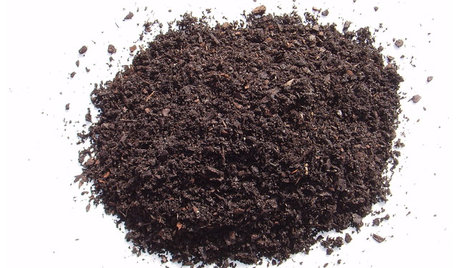
    Now take that compost you were going to buy in bulk. You don't need it in that much bulk, but make sure it's good stuff. It should be brown to black, earthy-looking, with no recognizable bits in it except maybe a twig or two. It should smell of rich earth, and never of anything sour or unpleasant. It should not be slimy. You should want to roll around in this stuff.

    Spread anything up to a quarter an inch atop the dead soil. You could really go with more, but let's not overkill.

    That adds countless healthy fungi and bacteria natural to the soil, provides food for incoming worms, and helps rebalance the soil.

    Seeding in June can be difficult on northern lawns but again, we don't know your locale. If you have a southern lawn, you're good to go. For northern lawns, I'd wait until August and keep adding compost as the old stuff moves into the soil. For southern lawns, seed now and then put the compost down on the seed and begin watering.

    There4 thanked User
  • 6 years ago

    Thanks for the advice! I am in Iowa, which you would think is great, black soil but in my yard it is not. It may not exactly be clay but I will say that it is brown, not black, and i can easily squish a handful into a ball, throw it into the street and watch it bounce. Definitley on the clay said of loam. Then this skid loader drove over everything and really packed it in!

    So if i'm just adding compost on top and not tilling it in, is it best to wait until next year to plant anything, and just let it be 'dirt' the rest of the year? Not super excited about that since i am excited to rehab this yard but if it would be worth it i could do it...

  • 6 years ago

    If you have a couple months, and living in Iowa, you definitely do, cover the area with a scattering of corn meal and a few inches of mulch until mid August. The mulch works like the compost but it's cheaper. By then the soil will have recovered much of the tilth you're expecting. The mulch protects the soil from evaporation and gives the soil microbes the perfect environment to thrive. Then do what morph said.

  • 6 years ago

    Corn meal? Esplain please.

  • 6 years ago

    toxc said, Corn meal? Esplain please.

    Corn meal is organic fertilizer, or at least one ingredient in some commercial organic fertilizers. By dusting it on the surface and then covering the surface with mulch, you are creating the perfect environment for the soil microbes to aerate the soil for you. Using corn meal underneath means you are feeding those microbes with real food and not just compost.

  • 6 years ago

    Minor nitrogen source to start decay on the mulch (which is nitrogen-deficient), and a good soil conditioner in its own right. Anything up to 50 pounds per thousand square feet per month would be fine, including at the time of seeding. Been there. Done that. Was impressed.

Sponsored
Peabody Landscape Group
Average rating: 3.5 out of 5 stars8 Reviews
Columbus' Reliable Landscape Design & Contracting