

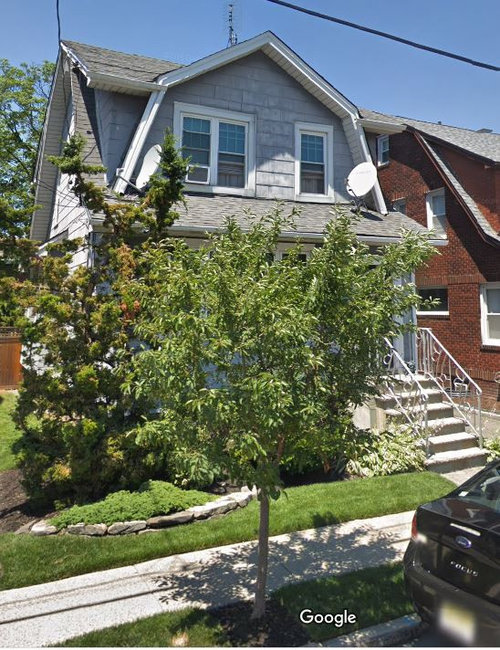
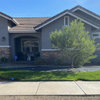
Street tree under power lines
6 years ago
last modified: 6 years ago
Sort by:Oldest
Comments (5)
Related Stories
LANDSCAPE DESIGNThe Unparalleled Power of Trees
Discover the beauty and magic of trees, and why a landscape without them just isn't the same
Full Story
CONTEMPORARY HOMESHouzz Tour: Strong, Modern Lines Stand Up to the Trees
Modernism takes kindly to the New York woods, with double-height ceilings for openness and a burbling creek for music
Full Story
GARDENING AND LANDSCAPINGArbor Day Applause: Iconic Los Angeles Trees
Step aside, palm trees. California's native trees offer landscapes a huge variety of styles, personas and foliage
Full Story
LANDSCAPE DESIGN8 Reasons to Plant a Great Tree
Beauty is its own reward, but the benefits of planting the right tree in the right place go way beyond looks
Full Story
GARDENING GUIDES5 Best-Behaved Trees to Grace a Patio
Big enough for shade but small enough for easy care, these amiable trees mind their manners in a modest outdoor space
Full Story
ARBOR DAY10 Trees Landscape Designers Love
In honor of Arbor Day, consider adding a beautiful and beneficial tree species favored by designers around the country
Full Story
GREEN BUILDINGSunlight Used Right: Modern Home Designs That Harness Solar Power
Embracing passive heating principles through their architecture, siting and more, these homes save energy without skimping on warmth
Full Story
BEFORE AND AFTERSReinvent It: Street Signs Become a Lively Kitchen Backsplash
City surplus as unique decor? A Seattle family said sure, and now it's the star of their remodeled kitchen
Full Story
GREEN BUILDINGOff the Grid: Ready to Pull the Plug on City Power?
What to consider if you want to stop relying on public utilities — or just have a more energy-efficient home
Full Story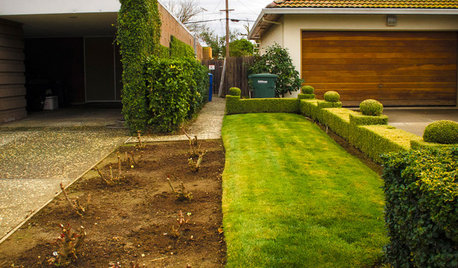
EXTERIORSWhere Front Yards Collide: Property Lines in Pictures
Some could be twins; others channel the Odd Couple. You may never look at property boundaries the same way again
Full Story
shivece
ken_adrian Adrian MI cold Z5
Related Professionals
Sebring Landscape Architects & Landscape Designers · Williamsburg Landscape Architects & Landscape Designers · Lawrence Landscape Architects & Landscape Designers · Ogden Landscape Architects & Landscape Designers · Evanston Landscape Architects & Landscape Designers · Elizabeth City Landscape Contractors · Athens Landscape Contractors · Newburyport Landscape Contractors · North Adams Landscape Contractors · Norfolk Landscape Contractors · Palm Desert Landscape Contractors · Chambersburg Decks, Patios & Outdoor Enclosures · Washington Landscape Architects & Landscape Designers · Aberdeen Landscape Contractors · Burlington Landscape ContractorscarnivoreOriginal Author
pricklypearcactus
L Clark (zone 4 WY)