

Large bee identification
6 years ago
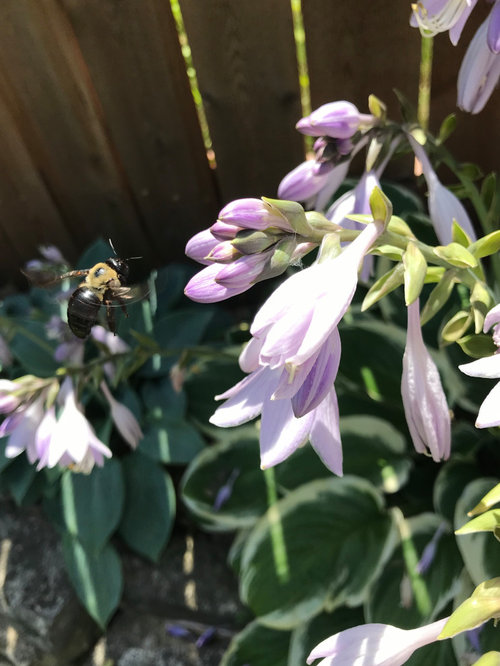
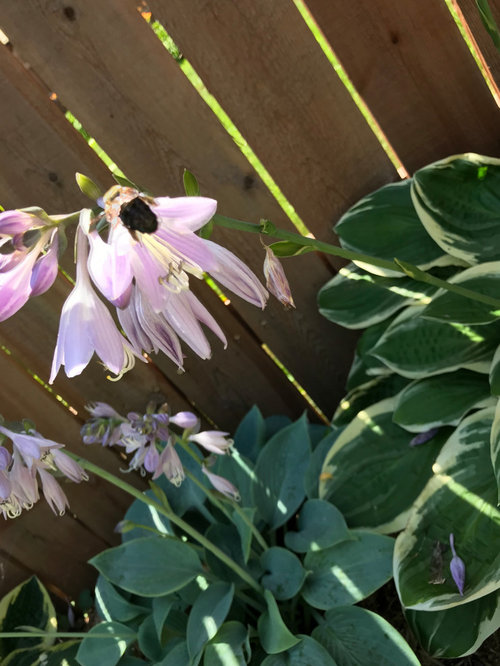
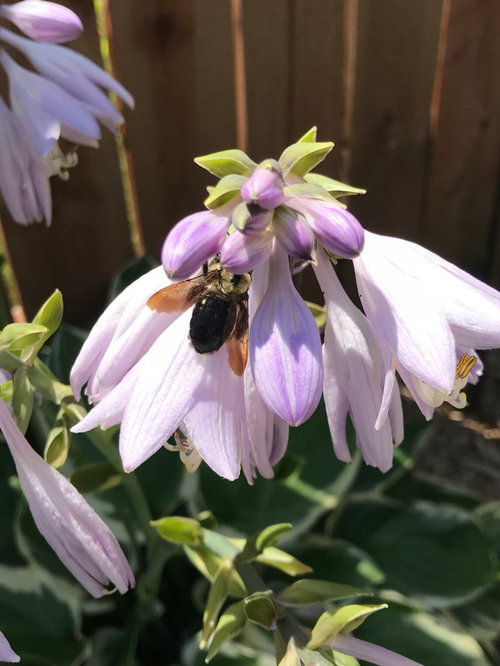
Featured Answer
Sort by:Oldest
Comments (9)
- 6 years ago
Related Professionals
Cumberland Landscape Architects & Landscape Designers · Anniston Landscape Architects & Landscape Designers · Tampa Landscape Contractors · Morgan City Landscape Contractors · Hannibal Landscape Contractors · Gulfport Landscape Contractors · Cincinnati Landscape Contractors · Hilton Head Island Landscape Contractors · Lufkin Landscape Contractors · Tyler Landscape Contractors · Champaign Landscape Contractors · Altoona Landscape Contractors · Denver Landscape Contractors · Olympia Landscape Contractors · Palm Desert General Contractors- 6 years ago
- 6 years ago
- 5 years ago


Related Stories

DECORATING GUIDESHoneycomb Shapes Are the Bee’s Knees
The hexagon is everywhere in nature — in honeycombs, tortoiseshells, snowflakes. Why not replicate it in home design?
Full Story
EARTH DAY12 Entertaining ‘Bee-haviors’ of Native Bees
The parade of pollinator antics is another reason to create a garden that nurtures native bees
Full Story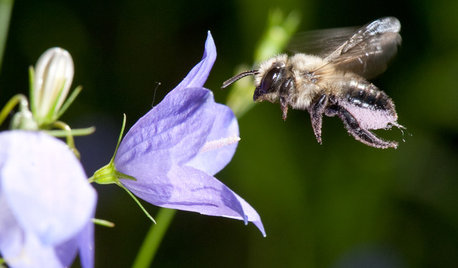
GARDENING GUIDESPut Out the Welcome Mat for Leafcutter Bees in Your Garden
Provide a diversity of flowering plants from spring through fall for these charismatic native bees, and you won’t be disappointed
Full Story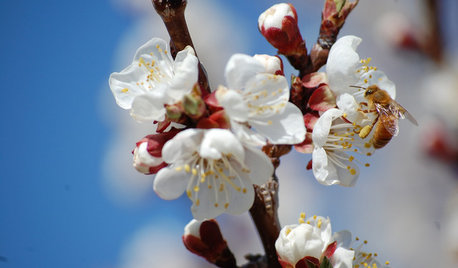
GARDENING GUIDESHow to Give Essential Bees the Support They Need
It’s hard to grow fruits and veggies without these hardworking insects. Here’s what we can do to help bring them back
Full Story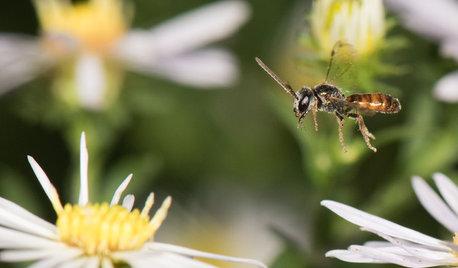
GARDENING GUIDESThis Tiny, Gentle Bee Keeps Busy
Look closely for small sweat bees visiting your flowers throughout the growing season
Full Story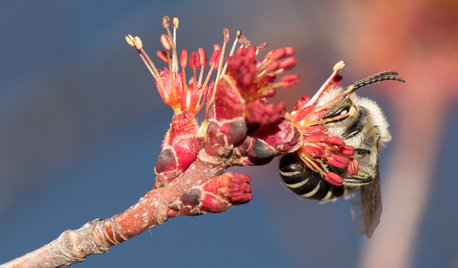
GARDENING GUIDESInvite Cellophane Bees to Your Garden by Providing Patches of Bare Soil
Look for cellophane bees (Colletes) pollinating flowering trees and shrubs in U.S. gardens this spring
Full Story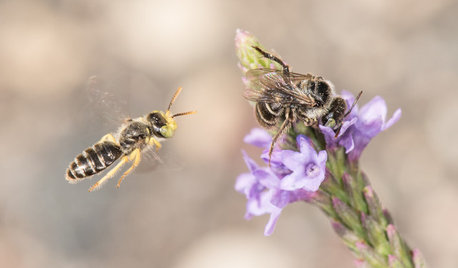
GARDENING GUIDESKeep an Eye Out for Fast-Moving Calliopsis Bees
These small native bees can often be seen foraging on vervain in the summer
Full Story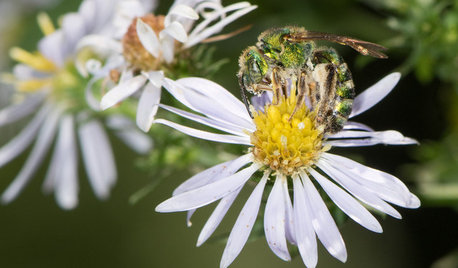
GARDENING GUIDESLook for Metallic Green Sweat Bees Visiting Your Garden This Fall
These beautiful sweat bees will dazzle and delight you with their bright emerald green color and midsummer and fall flower visiting
Full Story
EARTH DAYHow to Design a Garden for Native Bees
Create a garden that not only looks beautiful but also nurtures native bees — and helps other wildlife in the process
Full Story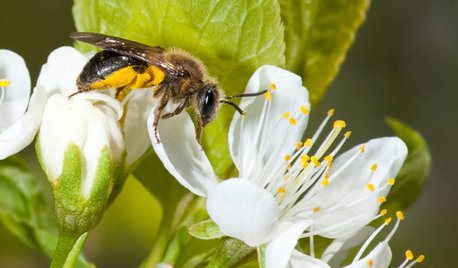
EARTH DAYBeyond Honeybees: Learn About These 10 Fascinating Native Bees
Every garden attracts a variety of bees. Find out more about common bee genera that often get overlooked
Full Story
Sponsored
More Discussions
lisanti07028