

height difference after replacing solid hardwood with engineered
6 years ago
Featured Answer
Sort by:Oldest
Comments (9)
 6 years ago
Related Professionals
Morgantown Home Remodeling · Stamford Home Remodeling · Peoria Home Remodeling · Milwaukee Kitchen Remodelers · California Bathroom Remodelers · Bloomington Bathroom Remodelers · Ashland Flooring Contractors · Chattanooga Flooring Contractors · Annapolis Tile and Stone Contractors · Baltimore Tile and Stone Contractors · Pocatello Furniture & Accessories · St. Louis Carpenters · Lebanon Carpenters · Chattanooga Custom Closet Designers · Chico Custom Closet Designers- 6 years ago
- 6 years ago
- 6 years ago
 PRO6 years ago
- 5 years ago

Related Stories
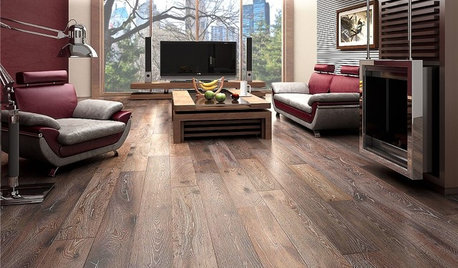
REMODELING GUIDESWhen to Use Engineered Wood Floors
See why an engineered wood floor could be your best choice (and no one will know but you)
Full Story
BEFORE AND AFTERSBefore and After: 6 Bathrooms That Said Goodbye to the Tub
Sleek showers replaced tub-shower combos in these bathroom remodels. Could this be an option for you?
Full Story
MOST POPULARWhat to Do After a Hurricane or Flood
How you treat your home after a natural disaster can make all the difference in its future livability — and your own personal safety
Full Story
BATHTUBSBefore and After: 6 Dream Bathrooms That Free the Tub
Freestanding tubs replace bulky built-ins in these beautiful bathroom remodels
Full Story
MATERIALSWhat to Ask Before Choosing a Hardwood Floor
We give you the details on cost, installation, wood varieties and more to help you pick the right hardwood flooring
Full Story
REMODELING GUIDESYour Floor: An Introduction to Solid-Plank Wood Floors
Get the Pros and Cons of Oak, Ash, Pine, Maple and Solid Bamboo
Full Story
REMODELING GUIDESWhat to Know About Engineered Wood Floors
Engineered wood flooring offers classic looks and durability. It can work with a range of subfloors, including concrete
Full Story
FLOORSHow to Paint Your Hardwood Floors
Know how to apply nail polish? Then you can give your wooden floors a brand-new look
Full Story
FIREPLACESBefore and After: 6 Dramatic Fireplace Makeovers
See how designers refresh the look of a fireplace with everything from a simple paint job to a new stone surround
Full Story
HOUSEKEEPINGHow to Clean Hardwood Floors
Gleaming wood floors are a thing of beauty. Find out how to keep them that way
Full Story


Hakan GOriginal Author