

help needed with sistering floor joists
6 years ago
Sort by:Oldest
Comments (14)

Related Stories
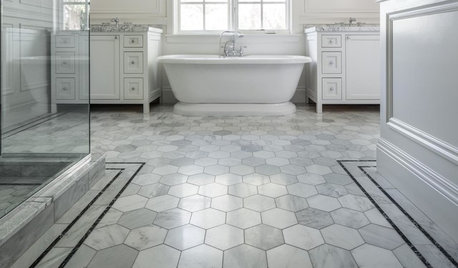
TILEWhy Bathroom Floors Need to Move
Want to prevent popped-up tiles and unsightly cracks? Get a grip on the principles of expansion and contraction
Full Story
HOUSEKEEPINGWhen You Need Real Housekeeping Help
Which is scarier, Lifetime's 'Devious Maids' show or that area behind the toilet? If the toilet wins, you'll need these tips
Full Story
LIFEDecluttering — How to Get the Help You Need
Don't worry if you can't shed stuff and organize alone; help is at your disposal
Full Story
KITCHEN DESIGNDesign Dilemma: My Kitchen Needs Help!
See how you can update a kitchen with new countertops, light fixtures, paint and hardware
Full Story
ORGANIZINGGet the Organizing Help You Need (Finally!)
Imagine having your closet whipped into shape by someone else. That’s the power of working with a pro
Full Story
MY HOUZZ TVMy Houzz: Watch Jenna Fischer Renovate Her Sister’s Home
In this Houzz original video, the actor uses the site to plan a surprise makeover of her sibling’s main living spaces
Full Story
REMODELING GUIDESTransition Time: How to Connect Tile and Hardwood Floors
Plan ahead to prevent unsightly or unsafe transitions between floor surfaces. Here's what you need to know
Full Story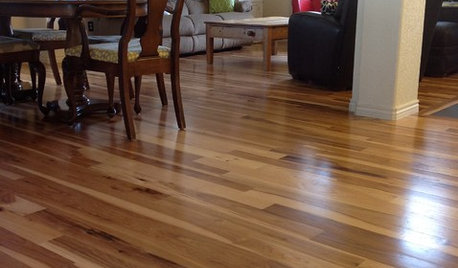
MATERIALSWhat to Ask Before Choosing a Hardwood Floor
We give you the details on cost, installation, wood varieties and more to help you pick the right hardwood flooring
Full Story
MY HOUZZ TVMy Houzz: Mario Lopez Gives His Sister a Family Fitness Studio
The TV host and actor uses Houzz to find pros to help build and furnish this garage addition in Texas
Full Story
8 Ways Dogs Help You Design
Need to shake up a room, find a couch or go paperless? Here are some ideas to chew on
Full Story



millworkman
Leslie KingOriginal Author
Related Professionals
Anchorage Home Remodeling · Lynchburg Kitchen & Bathroom Designers · Logan Kitchen & Bathroom Designers · Virginia Beach Home Remodeling · Washington General Contractors · Fort Myers General Contractors · Albuquerque General Contractors · Sarnia General Contractors · Williamsburg Bathroom Remodelers · Gallup Home Remodeling · Selma Kitchen Remodelers · Valdosta Kitchen Remodelers · New Orleans Kitchen Remodelers · Philadelphia Bathroom Remodelers · London Bathroom Remodelersmillworkman
Leslie KingOriginal Author
Joseph Corlett, LLC
Leslie KingOriginal Author
Seabornman
Charles Ross Homes
millworkman
Leslie KingOriginal Author
Seabornman
Bruce in Northern Virginia
strategery
GN Builders L.L.C